
When storm water gets past your roof, you need to act fast to limit structural damage and mold growth. You’ll want to locate the leak source, remove standing water with pumps or a wet vac, and start drying ceilings, walls, and insulation right away. Moisture can hide in materials longer than you expect, and that’s where problems start. The next step is deciding what you can handle yourself and what needs a pro.
Key Takeaways
- Identify wet zones quickly after roof or rain damage to stop water spread and target extraction.
- Use pumps, wet vacs, and air movers to remove standing water from floors, ceilings, and hidden areas.
- Check ceilings, attic framing, insulation, and roof penetrations to trace and stop the leak source safely.
- Measure moisture in materials and adjoining spaces to confirm drying and find trapped water.
- Call professionals if odors, sagging ceilings, electrical issues, or hidden moisture indicate unsafe damage.
What Is Storm Water Extraction?
Storm water extraction is the process of removing rainwater and intrusion water from a structure after severe weather damages the roof or exterior. You use storm water extraction to limit spread, protect materials, and restore safe working conditions fast.
You start by identifying wet zones, then you deploy pumps, wet vacs, and air movers as needed. You measure moisture in flooring, framing, and insulation to confirm progress. You also remove standing water from hard surfaces before it wicks into hidden cavities.
This step belongs in your response plan because it helps you stay organized, reduce secondary damage, and keep your team aligned. When you act quickly and methodically, you support a cleaner recovery and a more stable building envelope.
When Severe Weather Causes Water Intrusion
When severe weather damages roofing, flashing, or exterior openings, rainwater can enter quickly and spread beyond the initial impact area. You need to act fast because hidden moisture can move through ceilings, wall cavities, and flooring, increasing cleanup complexity.
Storm water extraction helps you limit spread and protect occupied spaces.
- Inspect affected rooms for standing water, wet insulation, and damp trim.
- Remove pooled water with extraction equipment before it migrates farther.
- Track moisture in adjoining areas so you can target drying and reduce disruption.
You’ll work better when you document conditions, isolate impacted zones, and coordinate with your cleanup team.
Fast extraction supports a safer environment and helps your property return to normal sooner.
Storm Water Extraction for Roof Leaks
When you suspect a roof leak, you need to locate the source fast so you can stop ongoing intrusion.
You should inspect ceilings, attic framing, and roof penetrations to confirm where storm water’s entering.
Once you’ve identified the leak, extract standing water quickly to limit saturation, structural damage, and mold growth.
Leak Source Detection
Even after the standing water is removed, you still need to trace the leak source so the roof damage doesn’t keep feeding new moisture into the structure. You can start at the highest wet point and work uphill through seams, flashing, vents, and penetrations.
Look for stained decking, lifted shingles, cracked sealant, and fastener gaps. Use controlled water testing only after the surface is dry enough to read the pattern.
- Check attic framing for fresh tracks.
- Map exterior defects to interior stains.
- Document every finding for your cleanup team.
When you identify the path, you help your crew stay aligned and prevent repeat intrusion. That shared focus makes the restoration work cleaner, faster, and more reliable for everyone on site.
Rapid Water Removal
You should extract storm water right away to stop it from migrating into decking, insulation, and interior finishes. Use high-capacity pumps, weighted extractors, and wet vacuums to remove standing water fast, then target hidden pockets with moisture meters and void access.
You’ll limit swelling, delamination, and microbial growth when you keep air moving and maintain safe electrical shutdowns. Remove saturated materials only after you verify they can’t dry in place, and document readings as you work so the team stays aligned.
If you act quickly, you protect the roof assembly and help everyone on site feel confident in the recovery plan. After extraction, set dehumidifiers and air movers to stabilize the structure and prepare it for repairs.
First Steps After Heavy Rain Damage
After heavy rain damage, start by stopping the water source if it’s safe, then document affected areas and remove standing water as quickly as possible. You’ll protect your space and keep your crew aligned by working methodically.
Turn off power only if water is near outlets, then tag damaged rooms, ceilings, and contents with photos. Wear boots and gloves, and move light items off wet floors.
Check for active leaks at the roof, windows, and plumbing.
Contain runoff with towels, plastic sheeting, and floor barriers.
Use extraction equipment on carpets, subfloors, and hard surfaces.
You don’t need to fix everything at once; you need a clean starting point. Keep pathways clear, note unsafe areas, and coordinate with your restoration team so they can move in without delay.
Why Fast Extraction Helps Prevent Mold
Fast extraction cuts moisture exposure before mold can colonize porous materials, especially after roof leaks and storm-driven intrusion. You reduce the time water has to feed spores, which helps keep contamination from spreading through your space.
When you act quickly, you also limit musty odors, staining, and the hidden growth that can start behind trim, under flooring, and inside insulation. Fast removal lowers the moisture load your property must carry, so your cleanup team can work with fewer complications and less risk.
If you’re managing a shared home, rental, or business, prompt extraction helps protect everyone’s comfort and health. It also keeps your recovery on track, so you can regain a clean, stable environment with your crew, family, or neighbors sooner.
How to Dry Walls, Floors, and Insulation
Once standing water is removed, drying needs to start immediately so moisture doesn’t stay trapped in building materials. You can keep the space safer by moving air across wet surfaces, pulling humidity down, and checking moisture until readings drop to normal.
Open access points in walls and floors so drying equipment reaches hidden cavities. If insulation stayed saturated, remove and replace it so the assembly can dry properly and stay sound.
- Aim fans at damp walls and baseboards.
- Use dehumidifiers to control indoor moisture.
- Measure moisture in framing, subfloors, and insulation.
You’re not just drying a room; you’re helping your space recover with your crew and restoring a place that feels solid again.
Focus on even airflow, steady monitoring, and full drying before closure.
Common Water Damage Mistakes to Avoid
When storm water damage hits, you need to avoid mistakes that trap moisture, spread contamination, or slow repairs.
Don’t wait to remove standing water; every hour lets materials absorb more.
Don’t use fans alone on wet drywall or insulation, because surface drying can hide moisture inside cavities.
Don’t seal damp rooms too early, since you’ll lock in humidity and invite mold.
Don’t mix clean and dirty items together; keep affected belongings separated for safer handling.
Don’t scrub porous surfaces with harsh cleaners before debris is gone, or you can drive contaminants deeper.
Don’t ignore underlayment, trim, or carpet pads, because they hold water after the top layer looks dry.
Work methodically, document damage, and keep your cleanup team focused and coordinated.
When to Call a Water Damage Pro
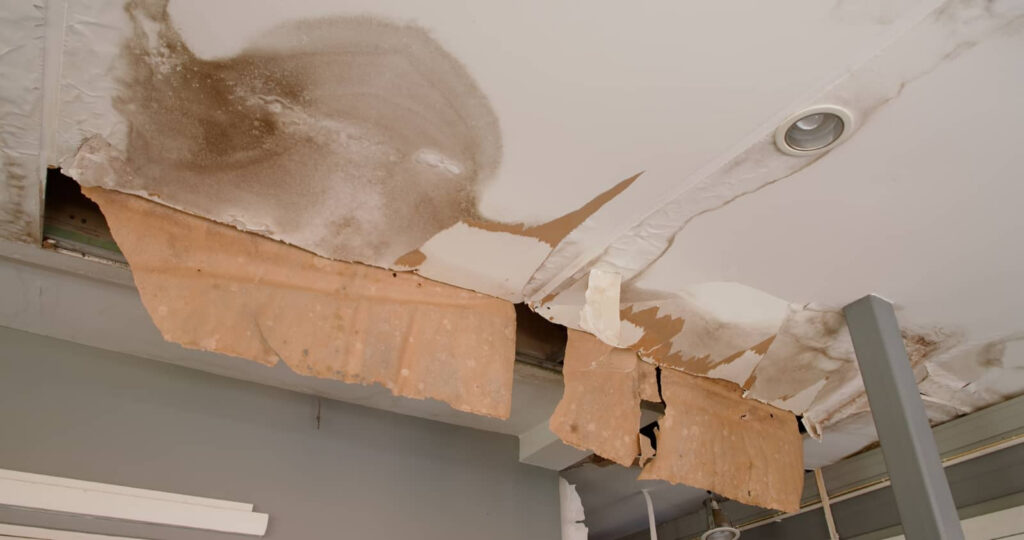
You should call a water damage pro if you see hidden moisture signs like ceiling stains, warped materials, or musty odors after roof damage.
Storms can leave electrical hazards, structural weakening, and contaminated water that make cleanup unsafe.
If water intrusion is widespread, keeps returning, or reaches insulation, drywall, or wiring, a pro should respond right away.
Signs Of Hidden Damage
Even if the roof looks intact, hidden water damage can spread behind ceilings, inside wall cavities, and under insulation after heavy rain or wind-driven leaks. You can miss it unless you watch for subtle changes in your space.
Call a water damage pro when you notice:
- Staining, bubbling paint, or soft drywall around vents, corners, or light fixtures.
- A persistent musty odor that returns after you air out the room.
- Warped trim, swollen baseboards, or damp insulation after the storm.
These signs usually mean moisture’s trapped where your equipment can’t reach. A pro can inspect, measure, and extract storm water before it spreads farther.
Acting fast helps you protect your home, stay connected to your community, and avoid repeated repairs later.
Safety Risks After Storms
Storm damage can create hazards that aren’t obvious right away, especially if water has entered ceiling cavities, attics, or wall spaces. You should treat wet areas as unsafe until you’ve checked for electrical exposure, weakened drywall, and slick flooring.
If lights flicker, outlets buzz, or breakers trip, stay out and shut power off only if you can do it dry. Wear boots, gloves, and eye protection when you move through damp rooms.
Watch for sagging ceilings, warped trim, and moldy odors, which signal trapped moisture. Don’t disturb insulation or contaminated water.
If you feel unsure, protect your crew, your family, and your space by calling a water damage pro. Fast action helps you prevent injuries, limit spread, and keep recovery controlled.
When Pros Should Respond
You need pro help when moisture readings stay elevated after 24 hours, ceilings sag, or odors signal trapped water. Crews can map damage, set containment, and pull hidden moisture before mold starts.
You’ll also benefit from experts when electrical systems, HVAC runs, or structural framing got wet.
- Use thermal imaging and meters to verify spread.
- Remove water fast, then dry materials to target levels.
- Document losses for insurance and restoration planning.
Act quickly, and you’ll keep your home safer, cleaner, and part of a team that knows what to do.
Frequently Asked Questions
How Quickly Should Storm Water Be Extracted After Flooding?
You should extract storm water immediately, ideally within 24 hours, because you’ll reduce structural damage, mold growth, and contamination. Act fast, document conditions, and contact restoration pros if flooding’s extensive or electrical hazards remain.
Can Storm Water Extraction Save Carpet and Padding?
Yes, you can often save carpet and padding if you extract water quickly, dry thoroughly, and control humidity. You’ll improve salvage chances, reduce mold risk, and preserve comfort by acting within hours, not days.
Does Extraction Reduce Structural Damage After Roof Leaks?
Yes—extraction can cut damage fast, like pulling a plug on spreading trouble. You’ll remove standing water, lower moisture loads, and slow rot, mold, and swelling, helping your structure dry safer, sooner, and stronger.
What Equipment Is Used for Storm Water Extraction?
You use submersible pumps, truck-mounted extractors, wet vacuums, and water claws for storm water extraction. You’ll also need hoses, moisture meters, air movers, and dehumidifiers to remove water, verify drying, and protect your space.
Is Storm Water Extraction Needed for Small Water Intrusions?
Yes, you do need it sometimes. A small puddle can hide moisture like a thin shadow under flooring, feeding mold and damage. You’ll protect your space faster with targeted extraction, drying, and monitoring.
Review
When severe weather hits, you need to act fast to reduce damage. In fact, mold can begin growing within 24 to 48 hours, so quick storm water extraction matters. You should locate the leak, remove standing water, and dry affected areas right away. Use pumps, wet vacuums, and moisture monitoring to protect your structure and indoor air quality. If the damage is extensive, you’ll save time and prevent further loss by calling a water damage pro.