
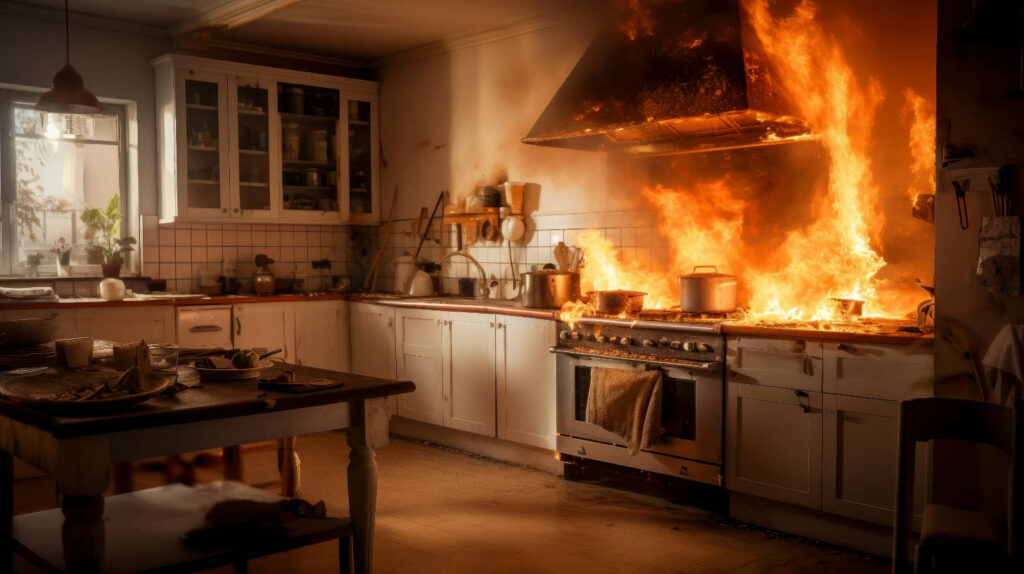
After a fire, smoke damage can spread like it owns the entire property. You’ll need a careful restoration process that starts with a safety assessment, then identifies soot type, residue behavior, and hidden contamination. Professionals use targeted cleaning and odor neutralization to limit further loss and stabilize surfaces. The real challenge is what you can’t see yet, and that’s where the next step becomes critical.
Key Takeaways
- Assess smoke type, secure unsafe areas, and isolate HVAC to prevent residue spread after the fire.
- Inspect all impacted zones for soot patterns, odor, discoloration, and hidden damage in walls, attics, and ducts.
- Clean surfaces with methods matched to soot type, starting with lighter contamination and using HEPA filtration and controlled ventilation.
- Remove embedded odors with targeted neutralization and odor-sealing primers after affected areas are cleaned and dried.
- Complete repairs by replacing damaged materials, fixing compromised systems, and performing final safety and code inspections.
Smoke Damage Restoration: What Happens First
When smoke damage restoration begins, technicians first assess the affected structure, identify the smoke type, and determine the extent of soot, odor, and moisture contamination. You’ll get a controlled response that protects your space and helps you rejoin normal life sooner.
The crew secures unsafe areas, limits traffic, and starts source removal to prevent further residue spread. They also isolate HVAC pathways, because airborne particles can move quickly through shared systems.
In smoke damage restoration, the first cleanup actions target loose soot on surfaces, fabrics, and contents before staining sets in. You should expect documentation, containment setup, and a plan for deodorization and material-specific cleaning.
These early steps create a stable recovery path, so your home or business can move forward with less disruption and greater confidence.
How Professionals Assess Smoke Damage
Professionals assess smoke damage by inspecting every impacted zone, tracing soot patterns, and measuring how far smoke, heat, and moisture traveled through the structure.
You’ll see them document wall staining, ceiling layering, HVAC residue, and hidden deposits inside cabinets, attics, and crawlspaces. They compare odor intensity, surface discoloration, and material porosity to judge how deeply smoke penetrated.
You can trust this process because they use moisture meters, thermal imaging, and targeted sampling to identify affected materials with precision.
They also distinguish protein, wet, dry, and fuel-oil residue, since each leaves a different chemical signature and risk profile.
That assessment gives your team a shared map of damage, so you know what needs attention and what can stay in place.
How Smoke Cleanup Works
You’ll start smoke cleanup by removing residue from affected surfaces with methods matched to the material and soot type.
Next, you’ll apply odor neutralization methods to address embedded smoke compounds rather than masking them.
Then you’ll complete structured surface cleaning steps to restore cleanliness, limit corrosion, and support faster recovery.
Smoke Residue Removal
Smoke residue removal starts with identifying the type of soot left behind, because dry smoke, oily smoke, and protein residue each respond to different cleaning methods.
You’ll need to protect affected surfaces before cleaning, then use dry sponges, HEPA vacuuming, or controlled wet wiping to lift particles without grinding them in.
You should work from cleaner areas to heavier deposits, replacing cloths often so you don’t spread contamination.
Porous materials usually need deeper extraction, while hard surfaces can often be cleaned with targeted detergents matched to the residue chemistry.
You’re not just removing visible staining; you’re restoring safe, usable spaces for everyone who belongs there.
Careful residue removal also helps prevent corrosion, discoloration, and secondary damage from lingering particulate matter.
Odor Neutralization Methods
After residue removal, odor control becomes the next step because smoke odor often embeds in porous materials, HVAC pathways, and hidden cavities.
You’ll usually need a layered plan that pairs ventilation with targeted deodorization. Technicians can deploy hydroxyl or ozone treatment in unoccupied spaces to break down odor molecules, while thermal fogging helps the neutralizing agent reach microvoids that air can’t.
In ductwork, you may need HEPA filtration and negative pressure to limit recirculation. Activated carbon also captures volatile compounds that linger after a fire.
You shouldn’t expect one method to solve every issue; the best results come when you match the treatment to the smoke type, material porosity, and damage depth.
That precision helps you regain a clean, safe environment faster, with your space feeling like it belongs to you again.
Surface Cleaning Steps
Surface cleaning starts with a careful assessment of each affected material so technicians can choose the right method for soot, ash, and residue removal.
You’ll see dry sponges used first on delicate finishes, because they lift loose soot without driving it deeper. Next, crews apply controlled vacuuming with HEPA filtration to capture fine particulates.
For nonporous surfaces, they use approved detergents and microfiber wiping in overlapping passes, working from cleaner zones to heavier deposits.
Porous materials may need agitation, extraction, or replacement if contamination has penetrated. Throughout the process, technicians monitor pH, moisture, and residue levels to prevent staining and corrosion.
When you understand each step, you can feel confident your space is being restored methodically and that you’re not facing this recovery alone.
Why Fast Smoke Damage Restoration Matters
You need rapid smoke damage restoration because soot settles quickly into porous materials and bonds to surfaces, making removal more difficult and more costly over time.
Fast cleanup also limits odor absorption in fabrics, drywall, and insulation, which helps prevent persistent smoke odors from becoming embedded in the structure.
Rapid Soot Removal
When soot settles after a fire, rapid removal is critical because acidic residue can begin etching surfaces, staining materials, and degrading air quality within hours.
You protect your property by treating soot as a time-sensitive contaminant, not a cosmetic issue. Technicians first assess surfaces, then use HEPA vacuuming, dry sponging, and targeted wet cleaning based on material type and soot composition.
This approach lifts particulates before they bond deeper into porous finishes, electronics, fabrics, and structural framing. You also reduce the spread of residue from foot traffic, airflow, and handling.
Fast removal supports a cleaner, safer recovery path for your space and the people who rely on it. When you act quickly, your restoration team can preserve more materials and limit secondary damage.
Preventing Lingering Odors
Even after soot is removed, smoke particles can stay embedded in porous materials, ductwork, insulation, and soft furnishings, releasing odors long after the fire is out.
You need fast smoke damage restoration to stop that migration before odors bond with surfaces. Technicians use targeted air filtration, thermal fogging, and hydroxyl or ozone treatment to neutralize odor compounds at the molecular level.
They also clean HVAC pathways, seal salvageable materials, and replace saturated insulation and padding.
If you wait, heat and humidity drive contaminants deeper, making odor control harder and costlier.
When you act quickly, you protect your space, preserve more belongings, and help everyone feel at home again.
Early intervention gives your property the best chance to smell clean, support recovery, and move forward with confidence.
How Professionals Remove Smoke Odors
Professionals remove smoke odors by targeting the particles and residues that cause them, not just masking the smell. You get a systematic process that begins with source identification, so technicians can match treatment to soot type and material porosity.
They use HEPA filtration, controlled ventilation, and thermal or hydroxyl-based deodorization to break down odor compounds in the air. They also apply specialized cleaning agents to exposed surfaces and hidden voids where smoke molecules settle.
When materials absorb odors deeply, they may need professional sealing or replacement to prevent reemission. You stay informed throughout the process, and that matters because clear communication helps you feel confident your space is being restored with care, accuracy, and the right equipment.
What Smoke Residue Removal Covers
Smoke residue removal covers the full cleanup of soot, ash, oily films, and acidic deposits left on surfaces, contents, and structural materials after a fire.
You get targeted cleaning that protects finishes, reduces corrosion, and restores safe use of your space. Technicians assess each material, then choose dry sponges, HEPA vacuuming, wet washing, alkaline cleaners, or solvent-based agents based on residue type.
You’ll also see careful treatment of walls, ceilings, cabinets, appliances, textiles, and hard contents. The process removes contamination before it stains, etches, or degrades materials further.
This work also includes wiping accessible fixtures, detailing salvageable items, and documenting what’s been cleaned. When you’re part of a prompt, coordinated response, your property gets a more complete recovery and a stronger path back to normal.
How Smoke Damage Restoration Handles Hidden Damage
After a fire, hidden damage often extends beyond visible soot, because smoke and heat can penetrate wall cavities, insulation, ductwork, attics, subfloors, and other concealed spaces.
You need a restoration team that traces contamination with inspection tools, moisture meters, thermal imaging, and airflow analysis. They’ll open targeted access points, evaluate structural materials, and map where residues settled so they can treat the source, not just the surface.
You may not see the damage, but you’ll feel its effects through odor, corrosion, and lingering particulate release.
By removing trapped residues, sealing affected surfaces, and verifying clean air pathways, the process reduces ongoing contamination and helps your space feel safe again.
That’s how you regain control: with precise diagnostics, disciplined cleanup, and shared confidence in the result.
What Final Repairs Usually Include
Final repairs usually start once the structure is clean, dry, and cleared for rebuilding. You’ll see crews replace damaged drywall, insulation, trim, baseboards, and flooring, then seal, tape, and finish surfaces for paint.
They’ll repair or swap compromised electrical devices, plumbing fixtures, cabinets, doors, and windows as needed. If smoke odor lingers, they may apply odor-sealing primers, repaint affected rooms, and reinstall HVAC components after cleaning.
You should expect careful matching of textures, colors, and materials so the space feels consistent again. Final work also includes debris removal, hardware installation, and detailed inspections to confirm code compliance and function.
When your restoration team finishes these repairs, you can move back into a safer, stronger home that feels like yours again.
Frequently Asked Questions
Can Smoke Damage Affect Electronics Long After the Fire?
Yes, smoke can damage your electronics long after the fire, because corrosive residue keeps attacking circuits, connectors, and fans. You’ll need prompt inspection, cleaning, and testing to prevent delayed failures and data loss.
Is Smoke Residue Dangerous to Breathe Indoors?
Yes—smoke residue can be dangerous to breathe indoors, because you’re inhaling fine particulates, acids, and toxic compounds. Don’t assume it’s harmless; you need professional cleaning, filtration, and source removal to protect your breathing environment.
How Do Professionals Decide What Can Be Salvaged?
You’ll see pros inspect structural integrity, material porosity, contamination level, and cleaning feasibility. They’ll test hidden damage, document contents, and compare restoration costs versus replacement, so you can keep safe, valuable items and discard unsalvageable ones.
Will Insurance Cover Smoke Damage Restoration Costs?
Usually, yes—if your policy includes fire or smoke coverage, you’re protected. You’ll need to document damage, file promptly, and cooperate with the adjuster. Deductibles, limits, and exclusions can affect what you receive.
How Long Does Smoke Odor Removal Usually Take?
Usually, you’ll need 1 to 7 days, but severe odor can take weeks. You can speed results with source removal, HEPA cleaning, thermal fogging, and ozone treatments, which your restoration team calibrates to material sensitivity.
Final Thoughts
In the aftermath, you need smoke damage restoration to act with surgeon-like precision, not medieval guesswork. You’ve seen how professionals assess residues, clean soot, neutralize odors, and expose hidden damage before it spreads. Fast intervention protects materials, limits corrosion, and restores safe use. When you address smoke damage quickly, you don’t just clean surfaces—you reclaim structure, air quality, and stability. Final repairs then finish the job and return your property to service.