

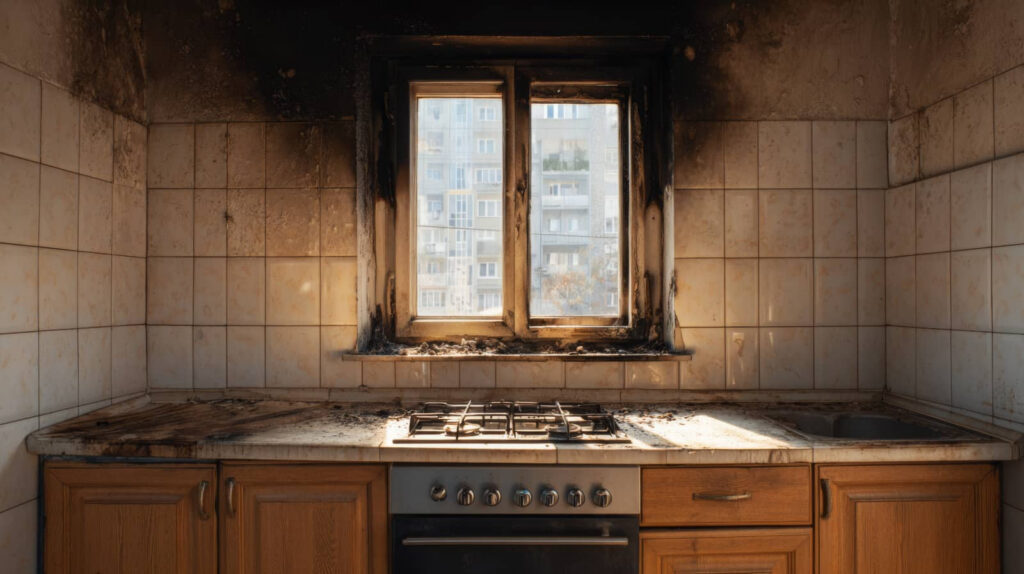
After a fire, you may notice that smoke odor lingers because soot and volatile compounds settle into surfaces, fabrics, and ductwork. You’ll need to inspect the damage first, then clean hard surfaces, treat upholstery, and address airflow before the smell can spread again. Some materials hold odor more deeply than others, and that changes the cleanup approach. The next step can make the difference between a temporary fix and lasting results when dealing with smoke odor removal after fire.
Key Takeaways
- Smoke odor lingers because soot and volatile compounds absorb into porous materials like drywall, carpet, and upholstery.
- Inspect all affected areas, including vents and ceilings, to identify residue type, odor sources, and smoke penetration.
- Clean hard surfaces with smoke-specific detergents, HEPA vacuuming, and top-to-bottom wiping to prevent recontamination.
- Improve airflow with open windows, exhaust fans, and HVAC filter replacement; keep the system clean and contained.
- Call smoke damage professionals if odors persist, stains return, or hidden contamination requires advanced treatment.
Why Smoke Odor Lingers After a Fire
Smoke odor lingers after a fire because tiny soot particles and volatile compounds settle into porous materials like drywall, carpet, insulation, and upholstery, where they continue to release odor over time.
You’re not imagining it; smoke odor removal after fire must address these trapped residues at the source. Heat can drive odor deeper into fibers, while cooling lets compounds bond to surfaces and hidden cavities.
If you treat only the air, the smell returns as materials warm again. You can reduce this cycle by targeting affected rooms, sealing absorbent materials when needed, and using controlled cleaning methods that lift and neutralize residue.
When you follow a systematic process, you’ll protect your indoor environment and feel confident that your space is becoming clean, safe, and truly yours.
Inspect Smoke Damage Before Cleaning
Before you clean, inspect the damaged areas so you can match the treatment to the type and extent of smoke contamination. Start by identifying where soot, discoloration, and odor are strongest, including ceilings, vents, trim, and hidden corners.
Check whether the smoke came from protein, fuel, or wet smoke, because each leaves different residues and demands a different approach. Look for soft spots, corrosion, staining, and warped materials, since these signs show how deeply smoke penetrated.
Photograph and note each affected area so you can track progress and keep your cleanup plan organized. This step helps you work confidently, stay efficient, and protect your space from missed contamination.
When you assess first, you’re joining a smarter cleanup routine that supports better results.
Remove Smoke Odor From Hard Surfaces
Start by cleaning hard surfaces with a method that matches the residue, because wiping the wrong way can spread smoke film and lock in odor.
You’ll usually need a dry microfiber cloth first, then a mild alkaline cleaner for soot on sealed surfaces. Work from top to bottom, and switch cloths often so you’re not reapplying contamination.
For glass, metal, tile, and painted trim, use light pressure and small sections, then rinse with clean water and dry fully. If you meet greasy residue, use a degreasing cleaner approved for the surface.
On wood, test a hidden spot before you clean. You’re doing this to protect your space and help it feel like home again.
Finish by checking for any tacky film or lingering smell and repeat where needed.
Improve Airflow With Ventilation and Air Scrubbers
You should boost air exchange by opening windows, running exhaust fans, and keeping indoor air moving so lingering smoke particles don’t settle again.
Add air scrubbers with HEPA filtration to capture fine soot and odor-causing particulates from the air.
This setup won’t replace cleaning, but it’ll support faster smoke odor removal and improve overall indoor air quality.
Boost Air Exchange
Boosting air exchange helps clear smoke odor by moving contaminated indoor air out and replacing it with cleaner air. You should open windows and exterior doors on opposite sides of the space to create cross-ventilation.
Run bathroom, kitchen, and whole-house fans to pull stale air outside and keep air moving through rooms, hallways, and closets. If weather or safety limits full opening, crack windows and use mechanical exhaust to maintain steady circulation.
Keep interior doors open so air can travel freely, and check that vents aren’t blocked by debris or soot. You’ll speed odor removal when you keep fresh air entering and contaminated air exiting.
Stay consistent for several hours each day, and monitor whether the smell weakens as the indoor air gets refreshed.
Use Air Scrubbers
If smoke odor still lingers after basic ventilation, add an air scrubber to keep the air moving while it removes fine soot and odor particles.
You’ll place the unit in the affected room, close windows that might short-cycle airflow, and run it with a HEPA and carbon stage if available.
Position intake near the odor source and keep discharge aimed away from walls and fabrics so circulation stays balanced.
Check filters daily; a loaded filter cuts performance fast.
If your space is large, use multiple units to cover dead zones and help everyone in the home breathe easier together.
Keep the scrubber running continuously until odors fade, then maintain it during cleaning to capture released residues and support steady indoor air quality.
Clean Smoke Smell From Fabrics and Upholstery
Smoke odor often lingers in fabrics and upholstery long after visible soot is gone, so start by removing loose particles with a HEPA vacuum.
Then treat the material with a fabric-safe odor neutralizer or cleaning solution matched to the item’s care label.
You’ll work from the outside in, testing any product on a hidden seam first so you can protect the finish.
Blot, don’t rub, to keep fibers from matting and spreading residue.
For cushions and drapes, repeat light applications until the smell fades, then let everything dry completely in moving air.
If the item still holds odor, schedule professional cleaning to restore freshness.
Remove Smoke Odor From HVAC Systems
Your HVAC system can keep recirculating smoke odors until you clean the ducts, coils, blower, and return vents. So start by shutting the system down and replacing the air filter with a high-efficiency one.
Next, inspect accessible components for soot buildup and wipe them with manufacturer-approved cleaners. If you smell smoke after restart, your team may need professional duct cleaning to remove hidden residue and restore safe airflow.
Use this quick sequence:
- Remove and discard the old filter.
- Vacuum return grilles and supply registers.
- Clean coils, blower housing, and fan blades.
After service, run the system on fresh-air mode, if available, and monitor for lingering odor.
When you handle these steps methodically, you help your home feel clean, comfortable, and truly yours.
Seal Smoke Odor in Porous Surfaces
When smoke has soaked into drywall, wood trim, insulation, or upholstery, cleaning alone often won’t fully stop the odor, so you’ll need to seal those porous materials after they’re dry and free of loose soot.
Choose a smoke-blocking primer or odor-sealing coating rated for fire damage. You’ll get better results if you sand rough spots, vacuum dust, and apply an even first coat with a brush, roller, or sprayer.
Let it cure fully, then add a second coat where staining or odor still shows. For fabrics, use only products made for upholstery, and test a hidden area first.
This step helps trap lingering particles and gives your space a cleaner, fresher baseline, so you can feel more at home again.
When to Call a Smoke Damage Pro
If smoke odor still lingers after cleaning, drying, and sealing porous surfaces, a smoke damage professional can assess what’s left behind and remove it with specialized methods.
You should call one when the smell returns after ventilation, stains keep bleeding through, or you notice residue in hidden cavities. A pro uses inspection tools, odor mapping, and targeted treatment to find the source instead of guessing. That means you’re not battling the same problem alone.
- Persistent odor after repeated cleaning
- Soot in ducting, wall voids, or insulation
- Signs of heat or smoke impact beyond surface damage
When you bring in trained help, you join a process built for accuracy, safety, and measurable results.
You’ll get a clear plan, fewer missteps, and a space that feels like yours again.
Restore Clean Indoor Air After Smoke Damage
After smoke damage, restoring clean indoor air means more than opening windows and masking odors; you need to remove airborne particles, contaminated residue, and lingering odor sources at the same time.
Start by isolating affected rooms, then run HEPA filtration to capture soot and fine particulates. Clean hard surfaces with smoke-specific detergents, and vacuum upholstery, carpets, and vents with sealed equipment.
Replace HVAC filters, inspect ducts, and keep the system off until debris is contained. Use hydroxyl or ozone treatment only when conditions call for it and when trained pros guide the process.
As you work, you’re rebuilding a healthier home for everyone inside, one controlled step at a time. Test the air after cleaning to confirm the smell’s gone and the space feels safe again.
Frequently Asked Questions
How Long Does Smoke Odor Typically Stay After a Fire?
It can linger for days to months, depending on damage, materials, and cleanup. You’ll reduce it fastest by ventilating, cleaning surfaces, and treating porous items, so your space feels safe and familiar again.
Can Smoke Smell Return After Cleaning Is Finished?
Yes, it can return if you miss hidden residues. Like dust under a rug, smoke particles linger in walls and fabrics. You’ll need thorough cleaning, sealing, and ventilation to keep your space smelling fresh.
Is Smoke Odor Removal Safe During Pregnancy or for Children?
Yes, you can make it safe during pregnancy or for children by choosing low-VOC methods, ventilating well, and avoiding harsh chemicals. You should follow professional guidance, keep them away from treated areas, and verify air quality afterward.
What Health Risks Come From Lingering Smoke Smells Indoors?
Lingering smoke smells can irritate your eyes, throat, and lungs, trigger headaches, and worsen asthma. You’ll reduce risk by ventilating, cleaning surfaces, and removing contaminated materials, so your indoor air feels safer and calmer.
Does Homeowners Insurance Cover Smoke Odor Removal Costs?
Usually, yes—if a covered fire caused the odor, your homeowners policy may pay for cleanup. You should review your policy, document damage, and file promptly so you can get authorized, insurer-approved remediation.
Recap
In a second person point of view, you can clear lingering smoke odor by treating it as a particle-and-gas problem, not just a smell. The theory that odor “goes away with time” is only partly true; without cleaning soot, fabrics, and HVAC pathways, it often persists. You’ll get better results when you inspect damage, ventilate, scrub surfaces, and seal porous materials. If odors remain, bring in a smoke restoration pro.