

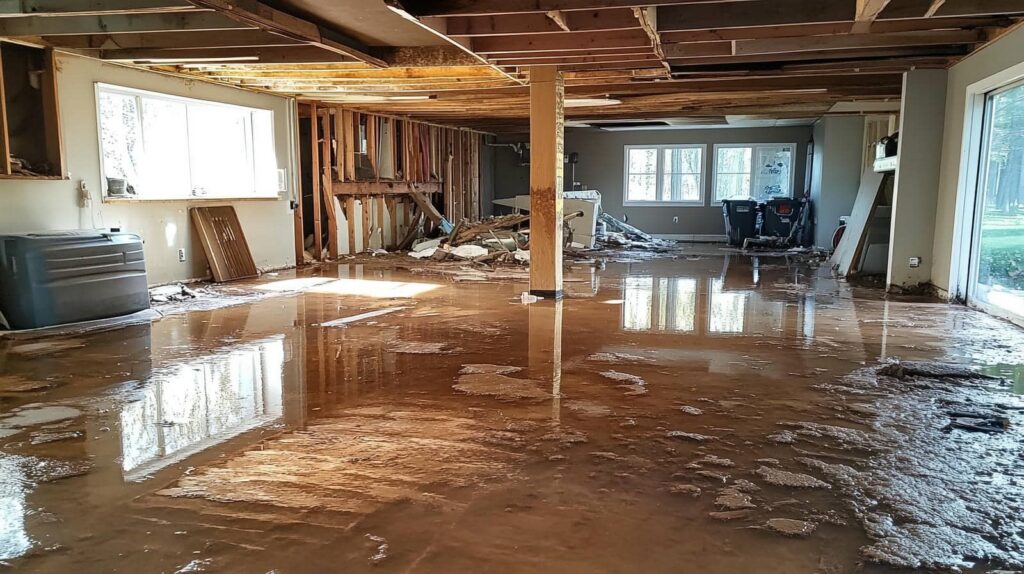
After one storm, you might find a single wet ceiling tile is like the first warning light on a dashboard—it means more trouble may be hidden. You need to act fast: make the area safe, stop active leaks, remove standing water, and clear out water damage materials before mold and structural damage spread. Dry the space completely, check for concealed moisture, and then repair what the storm left behind.
Key Takeaways
- Make the area safe first: wear protective gear, shut off electricity near water, and keep children and pets away.
- Stop ongoing leaks by inspecting the roof, tarping exposed areas, and sealing small gaps if safe to do so.
- Remove standing water quickly using pumps, wet/dry vacuums, mops, and towels, starting with the deepest areas.
- Tear out and discard soaked porous materials like carpet, insulation, cardboard, and visibly damaged drywall.
- Dry the home thoroughly with air movers and dehumidifiers, then inspect for hidden moisture and mold before repairs.
What To Do First After Storm Water Damage
After a storm, you should first make the area safe, then assess the damage and stop any ongoing water intrusion.
Wear gloves, boots, and eye protection before you enter. Shut off electricity if water reached outlets, and keep children and pets out.
Document damage with photos, then move dry items to a secure space.
During storm water damage cleanup, remove standing water with pumps, wet vacs, or buckets, and start drying surfaces fast with fans and dehumidifiers.
Check walls, floors, and insulation for saturation, and mark affected areas for removal or repair.
Act quickly to limit mold growth and structural weakening.
If the damage feels beyond your crew, call a qualified restoration team so you can protect your space and keep your home’s recovery on track.
Stop Roof Leaks And Water Intrusion
Once you’ve secured the area and removed immediate standing water, focus on the source of the intrusion so more water doesn’t enter. Inspect shingles, flashing, vents, skylights, and roof penetrations for lifted edges, cracks, or missing sealant.
From inside, trace damp ceilings and wall stains upward to likely entry points. If you can safely access the attic, look for daylight, wet insulation, and active drips.
Cover exposed openings with a waterproof tarp, securing it over the ridge and beyond the damaged section. Reseal small gaps with roofing cement or compatible sealant, but don’t patch structural damage yourself.
If the leak is near electrical components, shut power off and call a licensed roofer. Acting quickly protects your home, limits spread, and keeps your cleanup team moving together.
Remove Standing Water And Damaged Materials
Pump out or soak up standing water as soon as it’s safe, using a wet/dry vacuum, sump pump, mops, or absorbent towels to reduce further damage and lower mold risk.
You should work room by room, starting with the deepest water and guiding it toward a drain or containment point. Remove soaked rugs, cardboard, insulation, and any porous items that can’t be cleaned or disinfected effectively.
Tear out drywall, baseboards, or flooring only when they’re clearly swollen, delaminated, or contaminated. Bag debris promptly and keep pathways clear so your team can move safely.
Wear gloves, boots, and eye protection, and separate salvageable materials from waste. If you stay organized, you’ll protect the space, support faster recovery, and help your crew feel confident and in control.
Dry Walls, Floors, And Hidden Moisture
With standing water removed, you need to dry walls, floors, and hidden moisture pockets quickly to prevent mold growth and structural deterioration.
Aim high-velocity air movers at wet surfaces and pair them with dehumidifiers to pull moisture from the air. Open interior doors and remove baseboard trim if needed so airflow reaches wall cavities.
Check carpet backing, subfloors, and insulation with a moisture meter, since surfaces can feel dry while hidden materials still hold water. Run equipment continuously, and reposition it as moisture levels drop.
Watch for cool spots, bubbling paint, or damp odors, which signal trapped water. You’re not handling this alone; careful drying helps protect your home and keeps your space safe for everyone who lives there.
Keep monitoring daily until readings return to normal.
Repair Interior Water Damage
After the damaged areas are fully dry, you can start repairing the interior water damage and restoring surfaces that stormwater affected.
Remove warped drywall, swollen trim, and stained insulation, then replace them with materials that match your existing assembly. If you find soft subfloors or buckled flooring, cut back to sound material before installing new underlayment or finish flooring.
Clean framing, treat any remaining mildew, and seal surfaces that once absorbed moisture. Inspect electrical outlets, baseboards, and insulation for damage before you close walls.
Use fasteners, joint compound, and paint compatible with the original finish so your repair blends in cleanly.
When you restore each room carefully, you protect your home and help your household feel settled, safe, and back together again.
Frequently Asked Questions
Does Homeowners Insurance Cover Storm Water Damage Cleanup?
Usually, yes—you’re covered if a storm damages your home, but floodwater often isn’t included. You’ll need to review your policy, document losses, and contact your insurer quickly to confirm coverage and start cleanup.
How Soon Should I Call a Professional After Flooding?
Call a professional immediately, ideally within 24 hours, because you’ll limit structural damage, mold growth, and hidden moisture. You’ll also protect belongings, document losses, and start drying, extraction, and repairs faster.
Can Storm Water Cause Mold in HVAC Systems?
Yes, storm water can cause mold in your HVAC system if moisture lingers. You’ll want to dry components quickly, replace contaminated filters, and have ducts inspected, because spores spread fast through airflow.
How Do I Document Damage for an Insurance Claim?
You’ll photograph every damaged area, note dates, collect receipts, and list affected items; it’s a mountain of proof. Then you’ll contact your insurer, keep copies, and document repairs to support your claim.
Are Electrical Systems Safe After Water Intrusion?
No, you shouldn’t assume electrical systems are safe after water intrusion. You need to shut off power, avoid wet equipment, and have a licensed electrician inspect everything before you restore service or use outlets.
Recap
When storm water hits, you need to act fast: secure the area, stop the leak, remove standing water, and clear out damaged materials. Then dry walls, floors, and hidden cavities with purpose, because moisture left behind is like an invited guest that never leaves. Finish by repairing damaged components so your property can recover fully. Careful cleanup now helps you prevent mold, reduce structural damage, and restore your home or building with confidence.