

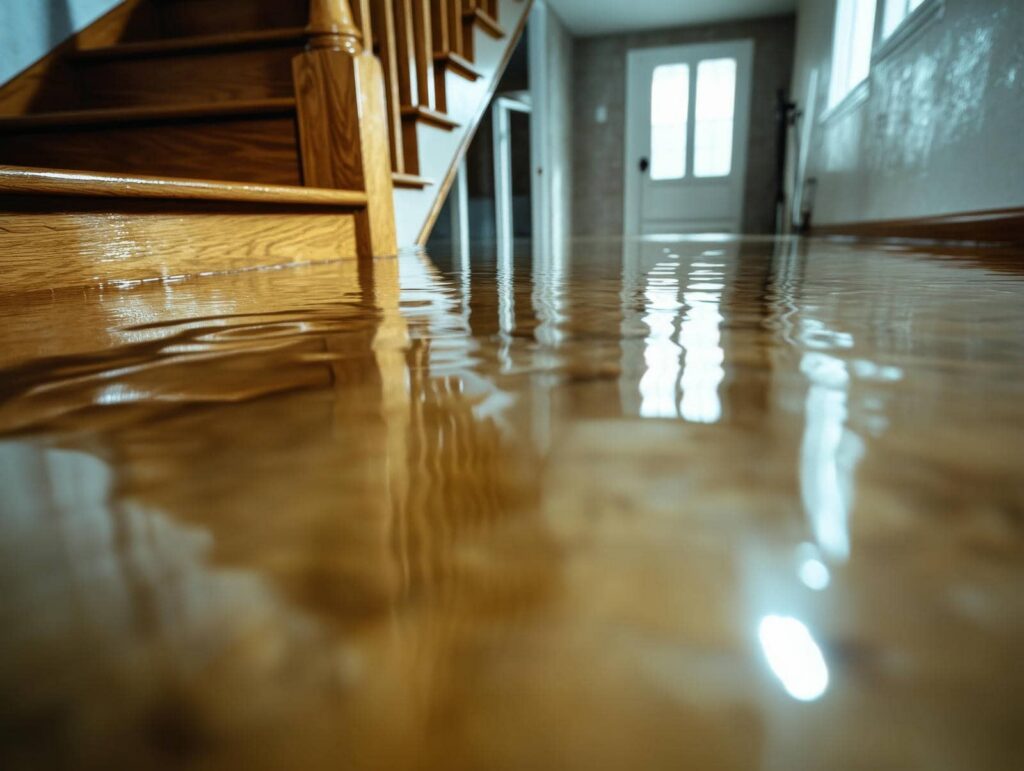
When you find standing water in your home, you need to act fast before it starts moving into floors, walls, and hidden spaces you can’t see. Even a small delay can warp materials, stain surfaces, and create conditions where mold develops. You can reduce the damage with the right cleanup steps, but timing matters more than most people realize. The next step is knowing what to remove first.
Key Takeaways
- Remove standing water immediately to limit soaking, warping, and hidden moisture damage.
- Shut off electricity first, then use pumps or a wet/dry vacuum for safe extraction.
- Dry floors, walls, and baseboards with fans and dehumidifiers to prevent mold growth.
- Check for concealed dampness with a moisture meter, especially under flooring and behind walls.
- Call professionals if water damage is extensive or has reached hidden structural areas.
Why Standing Water Needs Fast Removal
When standing water sits in your home, it quickly starts to damage floors, drywall, and other materials by soaking in, warping surfaces, and creating conditions for mold growth.
You need standing water removal from home as soon as possible because every minute increases moisture transfer into hidden cavities and structural layers. Fast action helps you limit secondary contamination, reduce cleanup scope, and protect indoor air quality.
You’re not alone in this process; a prompt, organized response gives your household the best chance to recover cleanly and confidently. Use extraction, ventilation, and dehumidification right away, then inspect affected areas for trapped moisture.
Acting quickly doesn’t just save materials—it helps you restore a safe, stable environment for everyone who lives there.
How Standing Water Damages Floors
Standing water damages floors by seeping into seams, joints, and underlayment, where it weakens adhesives, swells wood products, and loosens finish layers.
You’ll often see cupping, warping, or a spongy feel as moisture changes the floor’s structure. If water remains, it can stain surfaces, break down grout, and compromise tile bonds, especially at edges and junctions.
You also risk trapped moisture beneath vinyl or laminate, which can hide damage until the floor starts to lift.
Quick removal helps you protect the materials you rely on and keeps repairs smaller. If you act early, you give your home a better chance to recover cleanly, and you stay in control of the cleanup with confidence and calm.
What Water Does to Walls and Baseboards
When standing water reaches your walls, the drywall and framing can absorb moisture, then swell, warp, and lose structural stability.
Your baseboards can soak up water quickly, which leads to softening, separation, and rot if you don’t remove the moisture fast.
You can limit damage by drying these materials promptly and checking for hidden saturation behind the surface.
Wall Swelling And Warping
Even a small amount of standing water can quickly wick into drywall, trim, and baseboards, causing them to swell, soften, and lose their shape.
You may notice seams opening, paint lifting, or boards bowing away from the wall. This happens because absorbed moisture changes the material’s dimensions and weakens its bond to fasteners and finish layers.
Acting fast helps you keep the damage local and manageable, and you’re not dealing with this alone.
- Check walls for bulges and uneven lines.
- Press gently to spot soft, damp areas.
- Remove water, dry surfaces, and monitor movement.
If you catch warping early, you can restore stability before the problem spreads through your home.
Baseboard Absorption And Rot
As water lingers at floor level, your baseboards can absorb moisture through joints, paint cracks, and the back edge where they meet the wall, which leads to swelling, softening, and eventual rot.
You may notice paint bubbling, seams opening, or a spongy feel when you press lightly along the trim.
Moisture trapped behind the board can also feed mold and weaken fasteners, so the damage often spreads faster than it looks.
If you act quickly, you can limit loss by removing standing water, improving airflow, and drying the wall base with controlled heat and dehumidification.
When you belong to a home recovery plan that starts early, you protect trim, drywall, and framing before repairs become costly.
Hidden Moisture and Mold Risks
Hidden moisture can remain after visible standing water is gone, and it often seeps into subfloors, drywall, baseboards, and insulation where you can’t see it right away.
You can’t rely on surface dryness alone; trapped dampness can support mold growth and weaken indoor air quality. When you act quickly, you protect your home and keep your household comfortable.
- Check cool, soft, or swollen materials for concealed dampness.
- Use a moisture meter to confirm hidden wet spots.
- Dry affected areas with airflow and dehumidification.
You’re not dealing with this alone. A careful inspection helps you catch hidden risk early, limit contamination, and restore a safer, healthier space for everyone who belongs there.
How Long Standing Water Can Sit
Standing water shouldn’t sit for long, because damage can begin within hours as water wicks into flooring, warps wood, softens drywall, and creates conditions for mold growth.
You may see visible change fast, but hidden saturation often continues after the surface looks calm. Porous materials absorb water quickly, while sealed surfaces can trap it at seams, edges, and under trim.
Within 24 to 48 hours, odors, swelling, and microbial activity can increase. After that, repair complexity usually rises, and your home’s structure can lose resilience.
If you catch it early, you’re not alone; many homeowners face this, and quick action limits loss. Treat any standing water as urgent, especially when it reaches subfloors, insulation, or wall cavities.
How to Remove Standing Water Safely
Before you start removing water, shut off electricity to any affected area if it’s safe to do so, and avoid walking through deep water when you can’t see the floor.
Next, gear up with gloves and boots, then move with steady, deliberate steps. Use a wet/dry vacuum, a pump, or buckets for shallow pooling, and work from the outer edges toward the lowest point so you control spread.
Ventilate the room if conditions allow, but don’t run fans in electrified areas.
- Wear protective gear.
- Remove water with proper equipment.
- Dispose of contaminated water safely.
Check for hidden hazards as you go, and stop if the water looks contaminated, smells foul, or rises again.
You’re protecting your home and your people by acting methodically.
Dry Carpets, Wood, and Concrete
Once the bulk water is gone, you need to dry carpets, wood, and concrete quickly to limit swelling, warping, and mold growth.
Pull up carpet edges, lift padding, and aim airflow beneath the fibers so moisture can escape from the backing and subfloor. Open windows only if outdoor air is drier, and keep HVAC or dehumidifiers running to steady humidity.
For wood, wipe surfaces, separate furniture from wet flooring, and maintain gentle circulation to prevent checking.
For concrete, remove surface moisture, then dehumidify the room because slabs hold water deep inside. Check damp spots with your hand or a moisture meter.
You’re not alone in this step; careful drying protects your home and helps your space recover cleanly, safely, and confidently.
When to Call a Water Damage Pro
If water has soaked into drywall, insulation, subfloors, or electrical areas, you should call a water damage professional right away. You’re protecting your home’s structure and keeping your household in the right hands.
Pros use moisture meters, thermal imaging, and high-capacity extraction to reach materials you can’t dry safely.
- Call immediately after a supply line break, appliance leak, or overflow.
- Call if the affected area is large, hidden, or near wiring.
- Call when you want verified drying, sanitation, and documentation for insurance.
You don’t need to guess or manage every step alone. A trained crew can assess the scope, stabilize the space, and guide you through recovery with confidence.
Signs Water Damage Has Spread
When water has spread beyond the original spill or leak, you’ll usually see clear warning signs in the surrounding materials and finishes.
You may notice baseboards swelling, drywall darkening, or paint bubbling at the edges. Floors can feel soft, uneven, or slightly lifted, especially near seams and walls.
A musty odor often develops when moisture enters hidden layers, and you might see staining that creeps outward from the source.
Metal fixtures can show early corrosion, and caulk lines may separate. If you press on affected surfaces, they may flex or crumble instead of staying firm.
These signs tell you the water isn’t isolated. You’re not overreacting by checking closely; you’re protecting your space and the people in it.
How to Prevent Standing Water After Cleanup
To prevent standing water from returning after cleanup, you need to eliminate the conditions that let moisture collect. You should inspect low spots, leaks, and blocked drains, then correct them before they become recurring problems.
Keep floors, grout, and baseboards dry, and run fans or dehumidifiers until humidity stabilizes.
- Check plumbing, appliances, and seals for active leaks.
- Improve drainage by clearing gutters, downspouts, and floor drains.
- Dry surfaces fully, then monitor for new dampness for 24 to 48 hours.
When you stay consistent, you protect your home and reinforce the calm, secure environment your household deserves.
If moisture reappears, act quickly so minor pooling doesn’t spread into structural damage or mold growth.
Frequently Asked Questions
Can Standing Water Damage Electrical Outlets Nearby?
Yes, standing water can damage nearby electrical outlets and create shock or fire hazards. You should shut off power at the breaker, avoid contact, and call a licensed electrician to inspect everything safely.
Does Insurance Cover Standing Water Cleanup Costs?
Usually, you’ll get coverage if a covered peril caused the water, but not for neglect or flood damage. You should review your policy, document losses, and call your insurer promptly to protect your claim.
How Do I Know if Subflooring Is Wet?
You’ll spot wet subflooring fast: it feels spongy, looks darker, smells musty, and may cup or buckle flooring above. Use a moisture meter for proof; if readings stay high, you’re not imagining it.
Can I Use a Shop Vacuum on Standing Water?
Yes, you can use a shop vacuum on standing water if it’s rated for liquids and you’ve unplugged nearby power. You’ll remove water faster, protect materials, and feel confident handling cleanup before damage spreads.
Should I Replace Carpet Padding After Flooding?
Yes, you should usually replace carpet padding after flooding because it traps moisture, odors, and contaminants. You can save the carpet if it dried quickly, but padding often can’t be effectively cleaned or restored.
Review
So, the “small puddle” you ignore becomes the expensive project you never planned for. You should remove standing water right away, dry floors, walls, and baseboards fast, and keep checking for hidden moisture. If carpets, wood, or concrete stay damp, call a water damage pro before mold and structural damage set in. Then you can prevent repeat leaks with routine inspections and maintenance. Fast action now saves you from a much messier repair later.