

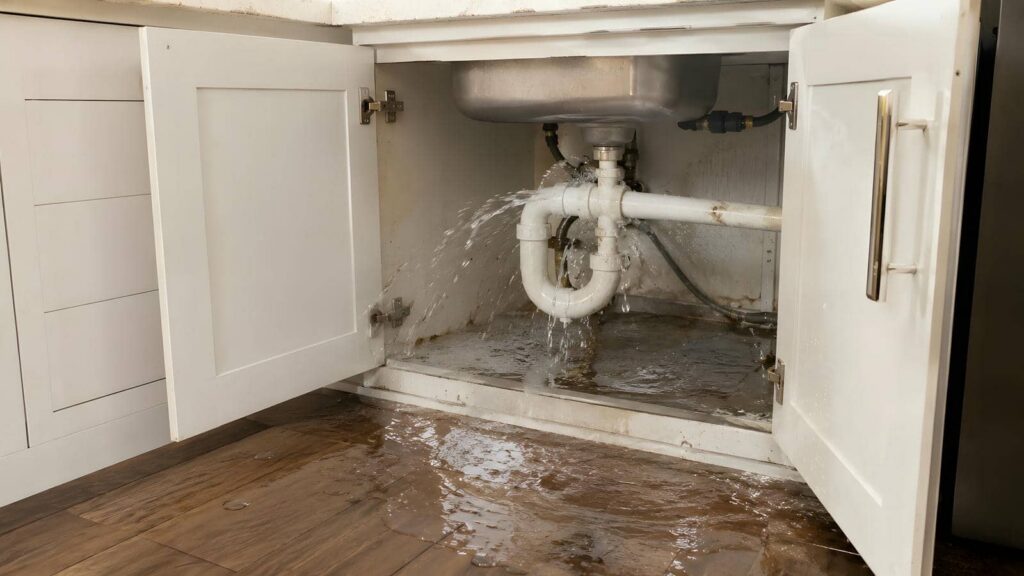
When a pipe lets go, you’re dealing with more than a little indoor inconvenience. Burst Pipe Water Extraction requires you to remove standing water fast, because it seeps into flooring, wall cavities, and insulation within minutes. Pros use pumps, wet vacs, and moisture meters to pull out visible water and find hidden pockets. The real challenge starts after extraction, when drying must stop mold and structural damage before they spread.
Key Takeaways
- Shut off the water supply immediately to stop further flooding from the burst pipe.
- Extract standing water quickly using pumps, wet vacuums, and portable extractors.
- Check hidden moisture in walls, floors, and insulation with moisture meters.
- Start drying right away with air movers and dehumidifiers to limit damage.
- Call restoration professionals if water reaches drywall, electrical areas, or shows signs of mold.
What Water Extraction Removes First
Water extraction first removes standing water from the most affected areas, including floors, carpets, and low points where moisture collects after a burst pipe.
In burst pipe water extraction, you target visible pooling before it spreads into seams, padding, and subfloor gaps. You’ll also remove water trapped under furniture legs, inside entryways, and along baseboards where capillary action pulls it outward.
Technicians use pumps, vacuums, and weighted tools to lift liquid fast, then check hidden pockets with moisture meters. You’re not just clearing a room; you’re restoring a safe, workable space for everyone who shares it.
Why Fast Water Removal Matters
Once the standing water is gone, speed still matters because moisture keeps moving into drywall, insulation, trim, and subfloor layers.
You need fast water removal to limit swelling, staining, and hidden deterioration that can spread through shared walls and flooring systems. If you wait, trapped dampness can raise indoor humidity, weaken finishes, and create conditions that make your home feel unsafe and out of control.
Acting quickly helps you protect the structure you live in and stay aligned with others who’ve faced the same shock.
- Reduces further absorption into porous materials
- Helps preserve floors, baseboards, and wall assemblies
- Limits lingering odors and damp indoor air
- Supports faster return to normal living conditions
How Professionals Extract Water
Technicians start by locating the source, shutting off the supply, and mapping how far the water has traveled. Then they bring in extraction equipment sized for the loss. You’ll see truck-mounted vacuums, weighted wands, and portable extractors work in sequence to pull standing water from carpet, padding, tile, and hard surfaces.
They target low spots first, then chase hidden pockets under cabinets and around baseboards. Moisture meters guide each pass, so you don’t waste time on areas already cleared. Crews also use squeegees and microfiber tools to move water into vacuum paths fast.
This process reduces spread, limits secondary damage, and gets your space back under control. You’re not dealing with it alone; trained pros move with purpose and keep your property in the recovery zone.
How Walls and Floors Dry Out
After extraction, the drying phase starts immediately because moisture keeps moving into drywall, framing, subfloors, and trim until you stop it.
You’ll feel the difference as air movers push surface water away and dehumidifiers pull vapor out of hidden cavities. Warm, dry airflow speeds evaporation, while open pathways let trapped dampness escape.
Tight materials need patience, but you can track progress with moisture readings, not guesswork.
- Check baseboards and seams for lingering cool spots
- Lift carpets to expose wet padding and subfloor
- Keep doors open for balanced airflow
- Verify readings drop before resetting rooms
When you stay alert, you protect your space, shorten downtime, and help your home return to normal.
When to Call a Restoration Pro
Call a restoration pro as soon as the leak is stopped if water reached drywall, insulation, subfloors, or electrical areas, because hidden moisture can keep spreading and cause mold, warping, and structural damage.
You can handle small surface cleanup, but once water enters building cavities, you need professional extraction, moisture mapping, and structural drying.
A certified crew brings thermal imaging, hygrometers, air movers, and dehumidifiers to verify what you can’t see.
Call right away if you smell musty odors, notice swelling, or see staining after 24 hours.
Acting fast protects your home and keeps your family in a safer, healthier space. You’re not overreacting; you’re preventing a bigger loss.
Frequently Asked Questions
How Do I Shut off the Water After a Pipe Bursts?
Turn off your main water valve fast; it’s usually by the meter, basement, or exterior wall. You’ll need to close it clockwise, then open faucets to drain pressure. Call a plumber immediately.
Can Burst Pipe Water Damage Affect Hidden Electrical Systems?
Yes—water can quietly damage hidden electrical systems, even while surfaces look fine. You’ll need to cut power, inspect outlets and wiring fast, and call a licensed electrician to protect your home and your people.
Does Insurance Usually Cover Burst Pipe Water Extraction Costs?
Usually, yes—your policy often covers sudden burst-pipe extraction if you act fast and document damage. You should call your insurer, separate mitigation from plumbing repairs, and confirm deductibles, exclusions, and emergency service limits right away.
Should I Move Furniture Before Restoration Crews Arrive?
Yes—if it’s safe, move lightweight furniture now; don’t drag soaked pieces. You’re protecting floors, speeding drying, and joining the effort to stop damage’s spread. Leave heavy items, keep paths clear, and wait for crews.
How Long Should I Avoid Using Affected Plumbing Fixtures?
You should avoid using affected plumbing fixtures until a plumber and restoration tech clear them—usually after repairs, drying, and pressure testing. Using them sooner can worsen leaks, contaminate rooms, and delay your recovery.
Wrap-Up
When a pipe bursts, you need water extraction fast. A crew once cleared a flooded hallway in under two hours, and that quick response likely saved the drywall from turning into a mold farm. Think of standing water like a snowball rolling downhill: the longer you wait, the bigger the damage gets. Act immediately, remove hidden moisture, and call a restoration pro when the leak’s already soaked walls, floors, or insulation.