
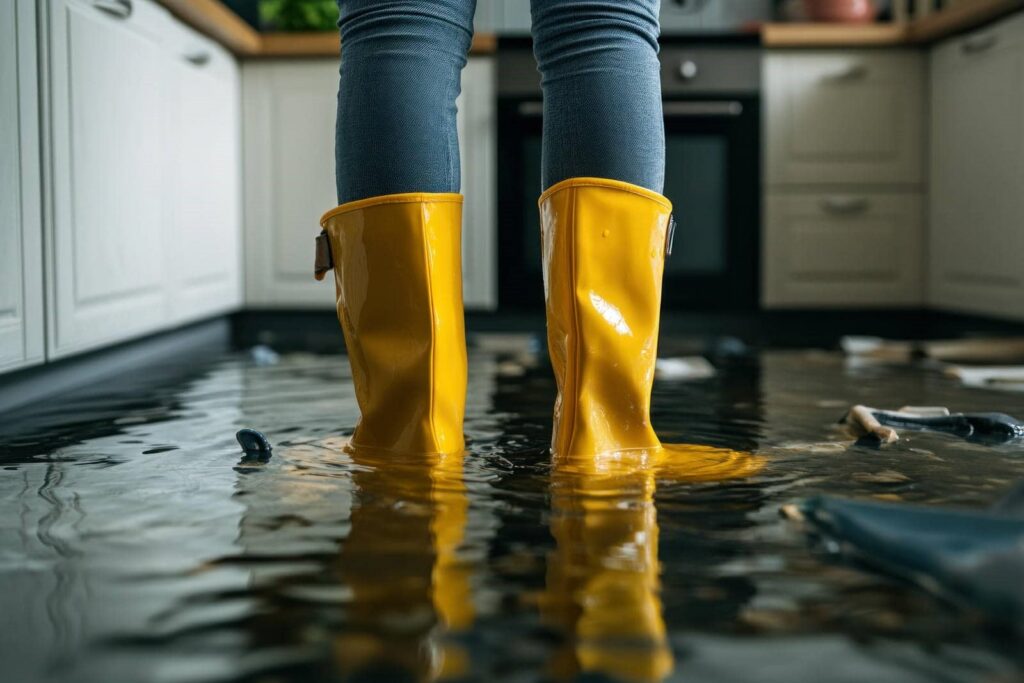
When floodwater shows up uninvited, you know time isn’t on your side. You need a flood water removal service that acts fast, extracts standing water, and dries hidden moisture before it spreads damage through walls, floors, and air systems. You’ll also want technicians who know what to remove first, how to sanitize safely, and when to begin structural checks—because what happens in the first hours can change everything.
Key Takeaways
- Flood water removal services quickly extract standing water to reduce structural damage and mold growth.
- Technicians use pumps, air movers, and dehumidifiers to dry homes and buildings thoroughly.
- Cleanup includes sanitizing affected surfaces to improve safety and indoor air quality.
- Priority is given to carpets, drywall, baseboards, and other materials that can absorb moisture.
- Choose a licensed, insured team with 24/7 emergency response and moisture detection tools.
Why Fast Flood Water Removal Matters
When floodwater enters your home or business, fast removal matters because every minute increases the risk of structural damage, mold growth, and contamination.
You protect flooring, drywall, insulation, and electrical systems by acting quickly with a flood water removal service. Delays let moisture spread into hidden cavities, weaken materials, and create conditions that support microbial growth.
You also reduce lingering odors, staining, and unsafe indoor air when you respond promptly. A skilled team helps you regain control, limit disruption, and restore a sense of normalcy for everyone who depends on the space.
How Flood Water Removal Service Works
When you call a flood water removal service, technicians first use powerful extraction equipment to remove standing water quickly and control further damage.
Next, they dry affected materials with specialized air movers and dehumidifiers to reduce hidden moisture and prevent mold growth.
They then sanitize impacted surfaces to help restore a safe, clean indoor environment.
Water Extraction Process
Once the area is safe to access, technicians begin flood water removal service with rapid water extraction to stop further damage and create the right conditions for drying. You’ll see them map the wet zones, choose the right pump or vacuum, and work room by room so no pockets of water stay hidden.
This process protects your structure and helps your team feel confident that recovery is underway.
- Remove standing water from floors, carpets, and low areas.
- Pull water from trapped spaces with specialty tools.
- Verify that moisture isn’t spreading into adjacent materials.
You’re not left guessing; each step is controlled, documented, and focused on restoring order.
Drying And Sanitizing
With the standing water removed, technicians move into drying and sanitizing to stabilize the structure and prevent secondary damage.
You’ll see air movers and dehumidifiers placed to pull moisture from floors, walls, insulation, and hidden cavities. They monitor humidity and surface readings so drying stays on target and your property doesn’t trap dampness.
Next, they clean and sanitize affected areas with EPA-registered products to reduce bacteria, odors, and contamination from floodwater. This step helps protect your family, staff, and anyone who returns to the building.
Technicians also inspect for warped materials, soft drywall, and concealed moisture, then adjust the plan as needed.
You’re not left guessing; you get a clear, controlled process that helps your space recover safely and confidently.
What Technicians Remove and Dry First
Technicians first remove standing water from the most vulnerable areas, then dry materials that can’t stay wet without sustaining damage, such as carpet, padding, drywall, and baseboards.
You’ll see them start where water collects fastest and where access helps the whole space recover sooner. They prioritize:
- Carpet and pad in affected rooms
- Lower drywall edges and trim
- Wood baseboards and nearby flooring
This order helps you protect your property and keep the restoration process organized.
Technicians use moisture readings to confirm what needs immediate attention, so they can work methodically and keep you informed.
You’re not left guessing; you’re part of a clear, coordinated response. That steady approach helps your home or building move toward normal faster, with less disruption for everyone on site.
The Damage Flood Water Can Cause
Flood water can quickly weaken structural materials by saturating drywall, framing, subfloors, and insulation, which raises the risk of long-term damage if you don’t act fast.
It can also create ideal conditions for mold growth when moisture lingers in hidden areas.
With prompt extraction and drying, you can reduce both structural deterioration and indoor air quality risks.
Structural Weakening
Even after the water has stopped rising, it can keep damaging your property by seeping into framing, drywall, subfloors, and insulation.
When these materials stay saturated, they lose strength, swell, and shift, which can make floors feel soft and walls start to bow. You’ll protect your structure faster when you act before hidden movement spreads.
A professional flood water removal service helps you stabilize the building and reduce further stress on key supports.
- Inspect load-bearing areas
- Remove trapped moisture quickly
- Monitor for warping and settling
You’re not handling this alone; prompt extraction gives your home or building the best chance to recover its shape, alignment, and long-term stability.
Mold Growth Risks
When standing water lingers in walls, floors, and insulation, it creates the damp, low-ventilation conditions mold needs to spread fast. You can see growth in as little as 24 to 48 hours, especially on drywall, carpet padding, wood framing, and HVAC components.
As spores multiply, they release odors and irritants that can affect indoor air quality and make cleanup more complex. Fast flood water removal helps you cut off moisture before colonies take hold. You also protect your building materials, reduce the chance of hidden contamination, and restore a healthier environment for everyone inside.
A prompt response gives you and your property a stronger path back to normal, with fewer repairs, less disruption, and more confidence in the space you share.
How to Choose a Flood Cleanup Team
Choosing the right flood cleanup team starts with verifying that the company can respond quickly, since rapid extraction limits structural damage, mold growth, and contamination.
You should also confirm that the crew uses trained technicians, proper moisture detection tools, and documented safety protocols so you know your property is in capable hands.
- Ask for 24/7 emergency availability and clear arrival windows.
- Check insurance, licenses, and water-damage restoration certifications.
- Review local references and ask how they communicate during cleanup.
A dependable team explains the process in plain language, respects your concerns, and keeps you informed at every step.
When you choose professionals who act fast and work with care, you join a community of homeowners who protect their spaces with confidence.
What Happens After Water Extraction
After the standing water is removed, the restoration process shifts to drying, cleaning, and damage assessment.
You’ll see technicians place air movers, dehumidifiers, and moisture meters to target hidden dampness in walls, floors, and insulation. They’ll sanitize affected surfaces to reduce bacteria, odors, and mold growth, then document every impacted area for repairs and insurance support.
You’re not handling this alone; your team coordinates each step so your property can recover safely and efficiently.
Once materials reach safe moisture levels, they’ll determine what can be restored and what must be removed.
This careful sequence helps protect structural integrity and creates a clear path back to a dry, healthy space you can trust again.
Frequently Asked Questions
How Quickly Should Flood Water Removal Begin After Flooding?
You should begin flood water removal immediately, ideally within hours, because you’ll limit structural damage, mold growth, and contamination. Acting fast helps you protect your property, reduce costs, and restore normal conditions sooner.
Do I Need to Leave My Home During Water Extraction?
Not always, but you should leave if water reached outlets, sewage’s present, or crews use chemicals or loud equipment. You’ll stay safer when professionals confirm the area’s stable, ventilated, and free of electrical hazards.
Can Flood Cleanup Teams Remove Contaminated Sewage Water?
Yes, you can; trained teams remove contaminated sewage water using protective gear, specialized pumps, and disinfection methods. You’ll get safer cleanup, reduced health risks, and clear guidance so your home feels protected again.
How Long Does It Take for Carpets to Dry Completely?
Typically, you’ll see carpets dry in 12 to 48 hours, and sometimes 72 with heavy saturation. You’ll feel reassured when you use fans, dehumidifiers, and quick extraction, because you can prevent mold growth.
Will My Insurance Cover Flood Water Removal Services?
Usually, you’ll have coverage if your policy includes water damage or flood protection; you should check exclusions and deductibles. You can call your insurer now, document losses, and get an adjuster involved quickly.
Final Thoughts
When floodwaters hit, you need fast, focused flood water removal service for homes and buildings. You’ll protect your property, prevent persistent problems, and preserve indoor safety by acting quickly. Skilled teams use specialized suction, strategic drying, and sanitary solutions to stop structural strain and suppress mold growth. Choose a trusted crew, and you’ll restore stability sooner, with less stress, less loss, and greater peace of mind after the storm.