

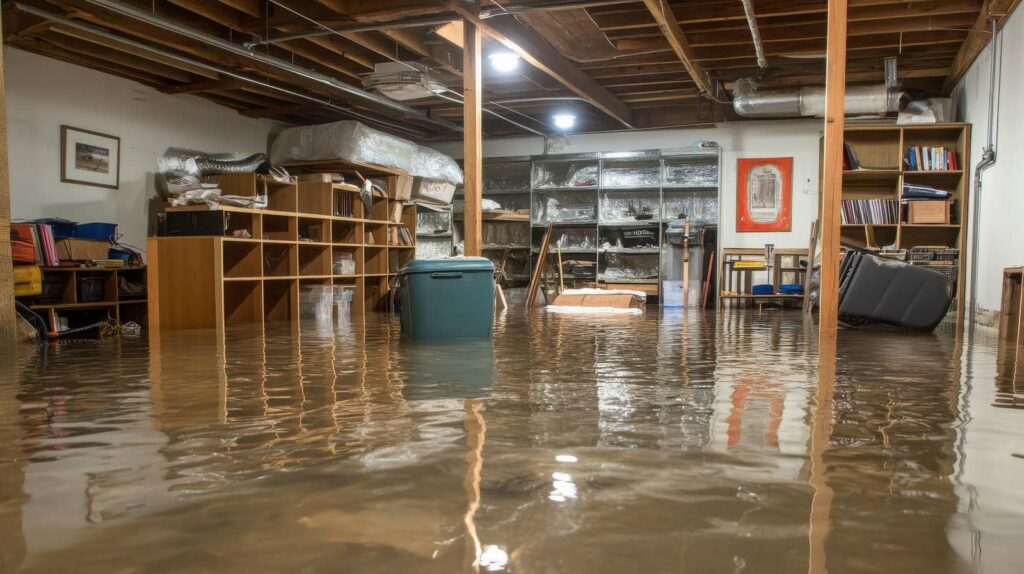
When your home feels like a sinking vessel, you need to act fast. You should shut off the water and power, then remove standing water with a pump or wet/dry vac. Move salvageable items out, and start drying walls and hidden spaces right away. Clean and disinfect surfaces to limit mold, then inspect for structural damage. One missed step can trap moisture where you can’t see it…
Key Takeaways
- Shut off the main water supply and electricity to the flooded area before starting cleanup.
- Remove standing water immediately with pumps, wet/dry vacuums, mops, and towels.
- Move furniture and salvageable items out of the wet area to reduce damage and aid drying.
- Clean and disinfect all wet surfaces, then use fans and dehumidifiers to prevent mold growth.
- Call a water damage professional if water has entered walls, floors, or other hidden spaces.
Start Cleanup After Floodwater Removal
Once the floodwater is gone, you can start cleanup right away to limit further damage to floors, walls, and contents.
Begin flooded house water removal by clearing loose debris, lifting wet rugs, and documenting affected areas for your records. Remove standing moisture from hard surfaces with clean towels, a wet vacuum, or mops, working from the top of each space downward.
Open cabinets and drawers so air can move through enclosed cavities. Sort salvageable items from damaged ones, and keep belongings with your household’s recovery plan.
Clean surfaces with a mild detergent to reduce residue. Dry the area quickly with fans and dehumidifiers if conditions allow.
Act methodically, and you’ll help your space recover with less risk of staining, warping, and hidden buildup.
Shut Off Water and Power
Shut off the main water supply as soon as you can to stop additional flooding and reduce pressure on damaged pipes or fixtures.
Then cut power to affected rooms at the breaker panel if water has reached outlets, appliances, or wiring. If you can’t access the panel safely, stay out and call a licensed electrician or your utility provider.
You’re protecting your home and everyone in it by isolating hazards before cleanup begins. Use a flashlight, not candles, so you don’t add fire risk.
Confirm that sump pumps, HVAC equipment, and wet circuits stay de-energized until a professional clears them.
When you act quickly and methodically, you keep the situation contained and give your cleanup team a safer, more controlled space to work in.
Remove Standing Water Fast
Pump out and extract standing water as quickly as possible to limit seepage into subfloors, drywall, and insulation. You’ll reduce capillary wicking, slow material swelling, and keep microbial growth from gaining a foothold.
Use a submersible pump for deep water, then switch to a wet/dry vacuum for thin films and corners. Move methodically so you don’t miss low spots.
- Start at the lowest point and work outward.
- Keep discharge hoses routed away from the structure.
- Recheck hidden depressions after each pass.
If water returns, repeat extraction until the surface stays dry. You’re not doing this alone; fast, disciplined removal gives your home the best chance to recover cleanly and safely.
Save Furniture and Other Contents
You should move furniture out of the wet area as quickly as possible to limit wicking, staining, and structural damage.
Next, you’ll sort contents by drying priority, placing salvageable porous items where air can reach them and separating items that need immediate cleaning or restoration.
This fast, organized response helps you protect valuable pieces and reduce long-term losses.
Quick Furniture Extraction
Move furniture and salvageable contents out of the flooded area as quickly as it’s safe to do so. You should work with a partner, wear gloves, and lift items using proper body mechanics.
Remove lightweight pieces first, then guide heavier furniture along a clear path to a dry room. Keep your team calm and focused; steady coordination reduces damage and strain.
- Separate movable items from built-ins before you start.
- Protect sharp corners and legs during transport.
- Set each item on blocks or clean, dry surfaces.
If an item feels unstable, stop and reassess instead of forcing it. You’re not handling this alone; a careful, shared approach helps you preserve what still has value while keeping everyone safer.
Contents Drying Priorities
After floodwater recedes, prioritize contents that can dry quickly and are most likely to be saved, such as solid wood furniture, metal items, and nonporous valuables.
You should move these pieces into a dry, ventilated area and set them on blocks or foil pads to lift them off wet floors.
Next, separate upholstered items, books, and electronics so air can reach every surface. Remove drawers, cushions, and loose components, then blot standing moisture with clean towels.
If you’re part of a household recovery team, assign one person to tag salvageable items and one to document damage.
Keep porous materials that stayed saturated under review, because they may need disposal.
Work steadily, and you’ll protect what matters most while supporting everyone’s recovery.
Dry Walls and Hidden Moisture
Even when standing water is gone, walls can still hold moisture deep inside drywall, insulation, and framing. You need to verify dryness, not assume it, because trapped water can linger after surface feels normal.
Use moisture meters and inspect baseboards, wall cavities, and trim joints with care. Keep airflow moving across both sides of affected walls, and remove materials only when readings stay elevated.
- Check areas where water wicked upward.
- Compare affected walls with dry interior walls.
- Track moisture readings until they stabilize.
You’re not dealing with guesswork; you’re restoring a safe, steady environment. When you work methodically, you protect the structure and give your home the best chance to recover fully.
Clean and Disinfect to Prevent Mold
You should clean all exposed surfaces with a detergent solution, then apply an EPA-registered disinfectant to reduce contamination after flooding.
This step helps limit mold growth by removing organic residue and moisture that support spores.
Keep materials dry with steady airflow and dehumidification, and don’t close up areas until every surface is fully dry.
Surface Sanitization Steps
Once the standing water is gone, sanitize every wet surface to slow microbial growth and protect the structure from mold. You should work methodically, moving room to room so nothing gets missed.
First, wash visible soil from hard surfaces with detergent and clean water. Then apply an EPA-registered disinfectant at the label’s contact time, and keep the area well ventilated. Wear gloves and eye protection, and replace them if they become contaminated.
- Wipe down walls, trim, and cabinets from top to bottom.
- Clean baseboards, door frames, and fixed fixtures with fresh cloths.
- Disinfect tools, buckets, and mops after each use.
You’re not alone in this process; steady, careful sanitizing helps restore a safer, cleaner space for everyone inside.
Mold Growth Prevention
Clean and disinfect damp materials fast to reduce the chance of mold taking hold after flooding. Use a detergent wash first, then apply an EPA-registered disinfectant matched to the material.
You’ll protect porous items best by removing heavily contaminated sections that can’t be cleaned thoroughly. Keep doors closed between affected rooms if possible, and wear gloves and eye protection while you work.
Bag contaminated wipes, rags, and debris promptly so spores don’t spread back into your space. If you smell a musty odor or see spotting, treat the area again right away.
Your home can recover, and each careful step helps your household stay healthier, safer, and more confident during cleanup.
Safe Drying Practices
After the floodwater is gone, dry the space methodically to stop mold before it starts. Open windows if weather allows, run dehumidifiers, and place fans to move air across wet surfaces. You should remove porous items that can’t be fully cleaned, then wash hard surfaces with detergent and disinfectant.
Work from the cleanest areas toward the dirtiest so you don’t spread contamination.
- Check hidden moisture behind baseboards and under cabinets.
- Keep indoor humidity below 60% until materials are dry.
- Wear gloves and a mask when handling contaminated debris.
You’re not cleaning alone; you’re restoring a safe, familiar place. Verify that all materials feel dry before closing walls or replacing contents, and document progress for your records and peace of mind.
Inspect Floors, Baseboards, and Structure
Inspect floors, baseboards, and structural framing for signs of swelling, warping, separation, or staining as soon as standing water is removed.
You should check hardwood seams, laminate edges, tile grout, and subfloor connections for movement or soft spots.
Run your hand along baseboards and trim to feel for looseness, cupping, or hidden dampness.
Look closely at wall-floor joints and corners where moisture can linger.
Mark any damaged areas so you can track changes during drying.
If you belong to a household team handling the cleanup, share your notes so everyone checks the same spots.
Keep traffic off compromised areas to limit stress.
Careful inspection helps you confirm what’s stable, spot early deterioration, and protect the parts of your home that make it feel secure.
Call a Water Damage Pro
When water has soaked into floors, walls, or structural framing, you should call a water damage pro to assess the extent of the loss and start targeted drying before hidden moisture leads to mold or further deterioration.
A trained team uses moisture meters, thermal imaging, and airflow mapping to locate trapped water fast. You’ll get a clear plan that protects your home and helps you stay in control.
- They remove standing water and reduce saturation quickly.
- They set dehumidifiers and air movers for balanced drying.
- They document damage for insurance and repair decisions.
With expert help, you’re not handling this alone; you’re joining a process built to restore safety, stability, and confidence.
Frequently Asked Questions
How Long Should Insurance Claims Take After Flooded House Water Removal?
Insurance claims usually take 1–4 weeks after water removal, but complex losses can take longer. You should document damage, respond quickly, and stay in contact with your adjuster to keep things moving.
What Documents Should I Photograph Before Cleanup Begins?
Photograph every claim-critical document first: insurance policy, IDs, receipts, warranties, and repair records. Capture room-wide damage, close-ups of water lines, serial numbers, and contents. You’ll thank yourself later; it’s a thousand-paper trail!
Can I Stay in the House During Water Removal Work?
You can sometimes stay, but you shouldn’t if crews use pumps, chemicals, or dehumidifiers. Ask about air quality, electrical hazards, and access limits. You’ll stay safer and better informed with clear technician guidance.
When Should Electronics Be Considered Unsafe After Flooding?
You should treat electronics as unsafe immediately after any flooding, especially if they were plugged in, submerged, or exposed to moisture. Don’t power them on; have a qualified technician inspect them before you use them again.
How Do I Prevent Sewage Odors From Returning Later?
You’ll prevent sewage odors by fully cleaning and disinfecting affected materials, removing saturated porous items, drying cavities completely, and sealing drains or traps. You should also inspect hidden leaks and restore ventilation to keep your home fresh.
Conclusion
You’ve taken the right steps after a sudden indoor flood, and every minute mattered. By shutting off power, removing standing water, and drying hidden moisture, you’ve helped protect your home from becoming a modern-day Noah’s Ark. Keep watching for warped floors, soft baseboards, or lingering dampness, and don’t hesitate to call a water damage pro if anything seems off. With swift, careful action, you can steady the structure and restore safety.