

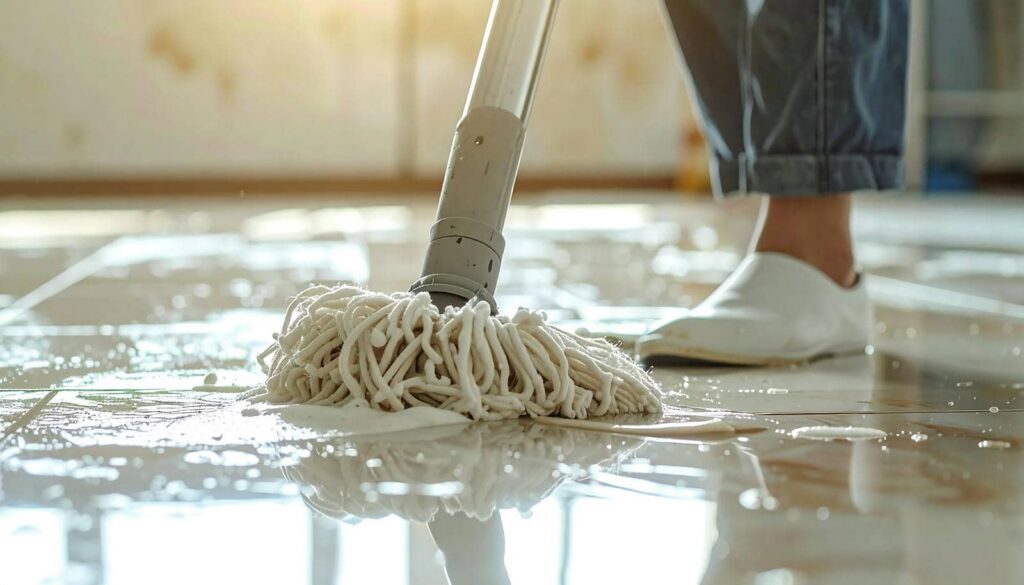
When your basement carpet soaks after a burst pipe, you might face a few hundred dollars for cleanup or several thousand if walls, flooring, and mold control are involved. Your final water damage repair cost depends on the water type, the materials affected, drying needs, labor, and how much rebuilding you need. Some factors raise pricing fast, and one of them is often underestimated…
Key Takeaways
- Water damage repair costs range from a few hundred to several thousand dollars, depending on spread and severity.
- Clean water repairs cost less, while gray water and black water increase pricing due to contamination and safety concerns.
- Materials like drywall, insulation, carpets, and particleboard often need removal or replacement, raising costs.
- Drying, dehumidification, and mold prevention add significantly to the total repair expense.
- Labor, equipment, and reconstruction needs are major cost drivers, especially when structural damage is extensive.
How Much Does Water Damage Repair Cost?
Water damage repair cost can vary widely because it depends on how far the water spread and what it affected. You might pay a few hundred dollars for a small cleanup, or several thousand when flooring, drywall, and insulation need replacement.
In most cases, you’ll see the price rise when technicians must remove damaged materials, dry hidden cavities, and restore finishes. Labor, equipment time, and reconstruction all add to the total.
You can lower risk by acting fast, because prompt drying often limits structural impact and secondary repairs. If you’re facing damage, you’re not alone; a qualified restoration team can assess the site, explain the scope, and help you plan the next step with confidence.
How Does Water Type Affect Repair Cost?
The type of water involved can change your repair cost considerably, because clean water, gray water, and black water each require different cleanup and safety measures.
Clean water from supply lines is usually the least expensive to remove, dry, and sanitize.
Gray water from appliances or sinks adds contamination concerns, so you’ll often pay more for protective gear, disinfection, and careful disposal.
Black water from sewage or flooding is the costliest, since crews must treat it as a health hazard and follow stricter containment steps.
You’ll usually see higher labor, testing, and drying charges as the water gets more contaminated.
Acting fast helps keep costs down, and a qualified restoration team can guide you through the process with confidence and care.
Which Materials Raise Water Damage Costs?
Material choice can push your water damage repair cost up quickly, because some products absorb moisture, trap it, or break down after exposure.
Drywall, insulation, particleboard, and MDF usually swell, crumble, or lose strength, so you may need full replacement instead of a simple repair.
Carpeting and pad often hold water deep in the layers, which can make removal necessary.
Hardwood floors can sometimes be restored, but engineered wood and laminate often warp or delaminate, raising costs fast.
Cabinet boxes, trim, and built-ins also add expense when they’re made from pressed wood.
If your home uses these materials, you’re not alone; many properties do.
The more a surface hides water or weakens after wetting, the more labor and reconstruction you’ll likely face.
Why Do Drying and Mold Prevention Add Up?
Even when visible damage looks limited, drying and mold prevention can raise your water damage repair cost fast because crews have to remove moisture from walls, floors, and hidden cavities before it spreads.
You’re paying for careful moisture control that protects your home and helps you feel back on solid ground. Quick action matters, because damp materials can support mold within 24 to 48 hours.
- Air movers push trapped moisture out of surfaces.
- Dehumidifiers pull humidity from the air.
- Monitoring confirms the structure is drying evenly.
- Antimicrobial treatment helps limit mold growth.
When you address these steps early, you reduce the chance of larger repairs later.
That means fewer surprises, less stress, and a safer space for your household.
How Do Labor and Equipment Affect Pricing?
Labor and equipment often make up a large share of your water damage repair cost because technicians need time, skill, and specialized tools to dry, extract, monitor, and restore the affected area.
You’re paying for trained crews who can spot hidden moisture, adjust drying plans, and keep conditions safe.
Professional equipment like extractors, dehumidifiers, air movers, and moisture meters runs continuously, and rental or operating time adds up quickly.
Emergency calls, after-hours service, and larger teams can raise labor rates too.
You can keep costs more predictable by responding fast and choosing a qualified team that documents progress clearly.
When you work with experienced pros, you’re not just buying equipment use; you’re getting efficient decisions that help protect your home and your peace of mind.
How Much Reconstruction Will You Need?
The amount of reconstruction you need depends on how far the water reached into framing, subflooring, insulation, and other structural components.
If those materials are damaged or compromised, you’ll need targeted structural repairs before any finish work can begin.
You may also need to replace drywall, flooring, trim, and other finish materials to restore the space fully and keep the repair cost accurate.
Structural Repair Scope
Once the water is out and materials dry, the next big cost factor is how much structure you need to rebuild. You’re not just paying for patching; you’re covering safe, code-aware repairs that restore strength and stability.
Contractors usually assess framing, subfloors, drywall, insulation, and any load-bearing elements before pricing the job.
- Minor repairs: small cuts, fasteners, and limited patching.
- Moderate scope: sections of framing, sheathing, or flooring need replacement.
- Major reconstruction: walls, ceilings, or structural supports are compromised.
- Hidden damage: what’s inside cavities can raise labor and inspection time.
When you understand the scope, you can plan confidently and avoid surprises. A good team will walk you through each layer so you know where your money’s going.
Finish Material Replacement
After the structural work is assessed, the next cost driver is how much finish material you’ll need to replace.
Drywall, baseboards, flooring, insulation, cabinet panels, and trim often absorb water first, and if they’ve warped, stained, or stayed damp too long, you’ll likely need replacement instead of patching.
You may also need paint, texture matching, and refinishing so the repaired area blends with the rest of your home.
The more rooms affected, the more labor, demolition, disposal, and materials add up.
Higher-end finishes usually raise costs because they’re harder to match and install.
A good restoration team will explain what can be saved and what can’t, so you’re not guessing.
That clarity helps you move forward with confidence and feel supported.
Frequently Asked Questions
Does Insurance Cover Water Damage Repairs?
Yes, your policy may cover sudden water damage, like burst pipes, but not flooding or neglect. You should review exclusions, document damage, and file quickly; your adjuster will confirm coverage and next steps.
How Long Do Water Damage Repairs Usually Take?
You’ll usually need 3 to 7 days for drying, then repairs can take 1 to 4 weeks. Most projects finish faster with quick action, so you’ll likely restore your space sooner.
Can I Stay in My Home During Repairs?
You can often stay if the damage is contained, drying equipment’s quiet, and no mold or electrical hazards exist. You’ll need to avoid work zones, but you can usually remain comfortably in unaffected rooms.
What Should I Do Immediately After Water Damage?
You should shut off the water source, cut power to affected areas, and move valuables to safety. Then document damage, extract standing water, and call a restoration professional fast to prevent mold and structural issues.
How Can I Tell if Hidden Damage Exists?
You can tell by looking for soft walls, musty odors, warped floors, staining, and hidden moisture with a meter. These clues are like shadows under a door—quiet signs you’ve still got unseen trouble.
Review
Water damage repair costs can look annoyingly unpredictable, but they usually follow a simple rule: the more water, contamination, and destruction you have, the more your wallet gets involved. You’ll spend less when you act fast and more when you let moisture audition for mold. Drying, labor, equipment, and reconstruction all stack up, so you’ll save money by treating every drip like it’s a small emergency with a big invoice attached.