
When water starts spreading through your property like a silent spill with a hidden clock, you need immediate extraction to stop damage before it deepens. You’ll learn how technicians assess active loss, remove standing water with commercial equipment, and start drying right away to reduce structural impact and mold risk. You can also see what to do before the crew arrives and what happens once the water’s gone.
Key Takeaways
- Emergency water extraction removes standing water quickly to limit structural damage and reduce mold risk.
- Technicians use commercial pumps, wet vacuums, and moisture meters to assess and extract active water loss.
- Fast extraction helps protect drywall, flooring, subfloors, and insulation from warping, swelling, and saturation.
- After extraction, air movers and dehumidifiers stabilize moisture levels and support effective drying.
- Clear documentation and communication guide recovery steps, including what can be saved and what needs replacement.
What Water Extraction Service Does
Water extraction service removes standing water quickly to help limit structural damage, reduce the risk of mold, and speed up recovery after a sudden loss.
In an emergency water extraction service, you get trained technicians who assess affected areas, deploy commercial pumps and vacuums, and clear water from floors, carpets, and concealed spaces.
They also use moisture meters to confirm what’s wet, then remove residual water so your property can move toward stabilization.
You’ll get a coordinated process that keeps you informed and helps you feel supported during a stressful event.
This service gives you a clear first step, so you’re not facing water intrusion alone.
It’s designed to restore control, protect materials, and prepare your space for the next phase of cleanup and repair.
Why Fast Extraction Limits Damage
When you remove water quickly, you cut off the moisture that keeps damaging materials and spreading through walls, flooring, and contents.
Fast extraction also reduces structural stress, so you’re less likely to face warping, swelling, or weakened building components.
Rapid Moisture Removal
Rapid moisture removal cuts the window for secondary damage and helps stabilize your property after a sudden loss. You need extraction that targets standing water, hidden pockets, and saturated materials before moisture migrates farther.
Our team uses calibrated pumps, air movers, and dehumidifiers to lower humidity and accelerate drying, so you’re not left waiting while conditions worsen. When we act fast, you join a process built for control, not guesswork.
We monitor readings, adjust equipment, and verify progress so you can see the situation improving in real time. That focused response helps you regain confidence, protect your space, and stay connected to a crew that knows how urgent active water loss feels.
The sooner moisture leaves, the sooner you can move forward.
Structural Damage Reduction
Fast extraction doesn’t just dry surfaces; it helps protect the structure beneath them from avoidable damage.
When you remove water quickly, you reduce the time it can soak into drywall, subfloors, framing, and insulation. That matters because saturated materials swell, weaken, and lose load-bearing performance.
You also limit warping, buckling, and delamination, which can turn a manageable loss into a costly reconstruction.
Your extraction team can use targeted vacuum systems and controlled airflow to pull moisture from vulnerable assemblies before it migrates deeper.
That faster response helps keep repairs localized, preserves more original material, and supports a smoother return to normal.
You’re not just responding to water loss—you’re protecting the bones of your property with every minute saved.
Mold Growth Prevention
The sooner you extract water, the less time mold has to take hold on damp materials and hidden cavities. You protect drywall, insulation, framing, and flooring by removing moisture before spores can germinate.
Fast extraction lowers indoor humidity, which helps stop colonies from spreading into wall voids, under baseboards, and behind cabinets. You also reduce the chance of hidden growth that can trigger odors, staining, and costly remediation later.
When you act quickly, you give your space the best chance to dry cleanly and safely. That means you’re not facing this alone; you’re taking a proven step with people who understand how to restore your environment.
Emergency extraction supports your recovery, limits contamination, and keeps your property on a healthier path.
Signs You Need Water Extraction Now
Is your property showing signs of urgent water damage? If you notice standing water, damp carpets, swollen baseboards, or water stains spreading across ceilings and walls, you need extraction now.
A musty odor, dripping sounds behind surfaces, or sudden changes in flooring texture can also signal active water loss. You may see paint bubbling, drywall softening, or electrical outlets near moisture.
Don’t wait for these symptoms to worsen; moisture can move fast and affect shared living spaces, too. When you act quickly, you protect your home, your routines, and the people who count on you.
Emergency water extraction service helps you respond with confidence, reduce damage, and restore control before the situation grows harder to manage.
What Happens During Extraction
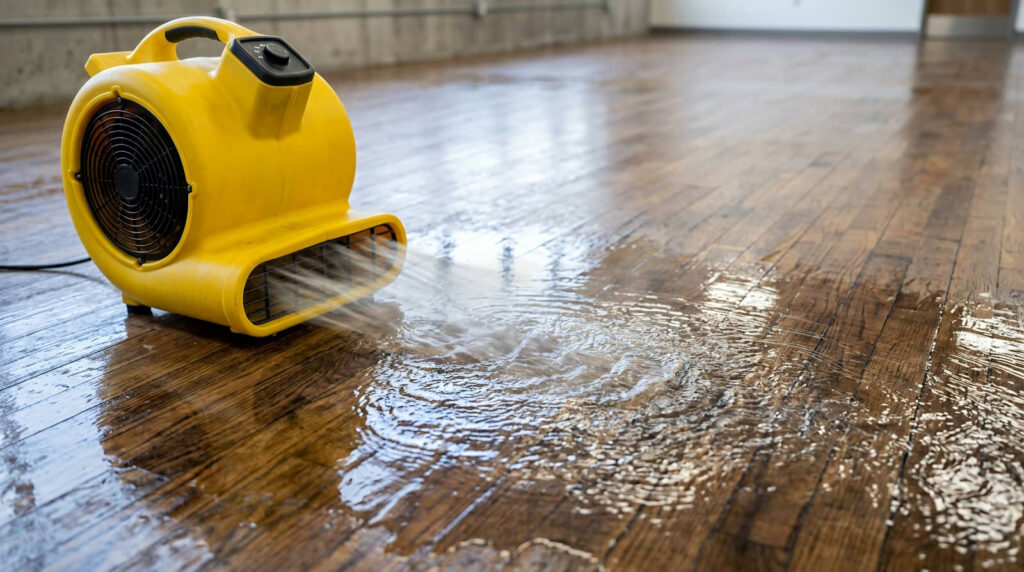
During extraction, you’ll see technicians remove standing water with high-capacity pumps and vacuums. Then, they’ll clear moisture from affected surfaces and materials.
Next, they’ll use calibrated moisture meters and thermal imaging to find hidden water in walls, floors, and cavities. This process helps limit further damage and guides the drying plan so your property can recover faster.
Water Removal Steps
When water enters your property, technicians quickly assess the source, map the affected areas, and start removing standing water with pumps, wet vacuums, and other extraction equipment.
You’ll see a coordinated process that reduces spread, protects finishes, and helps your space feel manageable again. The crew works room by room, moving fast but carefully so they don’t miss pooling water in corners, under furniture, or along baseboards. Their goal is to clear visible water and stabilize the area for the next recovery steps.
- Pump out deeper water first
- Use wet vacuums for residual moisture
- Shuttle equipment to tight spaces
- Verify each section is fully cleared
You’re not handling this alone; the team brings the tools, pace, and know-how to get you moving forward.
Moisture Detection Process
After the standing water is removed, technicians use moisture detection tools to find hidden dampness behind walls, under flooring, and inside building materials.
You’ll see them check baseboards, insulation, and structural framing with infrared cameras, moisture meters, and sometimes probes. These readings help your team map where water traveled, so they can target drying equipment exactly where it’s needed.
That precision reduces the chance of lingering humidity, warped materials, or mold growth. You’re not left guessing; you get a clear plan for what stays, what dries, and what needs removal.
Throughout the process, technicians explain findings in plain language, so you know your property is being handled with care. This step helps protect your space and supports a faster, safer recovery for everyone inside.
How Pros Remove Water by Area
Pros remove water by area so they can target damage efficiently and prevent it from spreading.
You’ll see them map the affected rooms, isolate each zone, and choose the right extraction method for carpet, hard flooring, or padding. This keeps the work organized and gives you a clear plan.
They often use:
- weighted extractors for saturated carpet
- squeegees and pumps for open floors
- corner tools for tight spaces
- containment barriers to guide water flow
Why Drying Starts Immediately
Drying starts immediately because standing water can keep spreading damage, weaken materials, and create conditions for mold in just a short time.
You need rapid moisture removal so surfaces stop absorbing water and hidden spaces don’t stay wet. Your crew uses air movement, dehumidification, and targeted drying to lower humidity and stabilize materials before distortion sets in.
This fast response helps protect drywall, flooring, insulation, and framing while reducing the risk of odor and microbial growth.
When drying begins right away, you gain a clearer path to recovery and fewer surprises later.
You’re not handling this alone; a coordinated team watches moisture levels, adjusts equipment, and keeps the process on track.
Early drying gives your property the best chance to recover cleanly and safely.
What To Do Before The Crew Arrives
Before the crew arrives, you can take a few safe steps that help limit damage and speed up the response. Shut off the water source if you can do it safely, and unplug electronics near wet areas.
Keep your family or staff away from standing water, especially if outlets, cords, or ceiling fixtures are involved. Open accessible doors to improve airflow, but don’t use fans if they could spread moisture into unaffected spaces.
- Move small valuables and documents to a dry room
- Place towels under active drips
- Clear access to the affected area
- Note where water is coming from for the technician
These actions help your team work efficiently and keep you included in the recovery process from the start.
What Happens After Water Extraction
Once the standing water is removed, the crew shifts to moisture control and damage assessment so they can stop hidden issues from getting worse.
You’ll see technicians place air movers, dehumidifiers, and moisture meters to dry surfaces, wall cavities, and flooring. They’ll inspect materials for swelling, staining, and structural compromise, then map affected zones to guide the next steps.
If the water came from clean sources, they can often save more materials; if contamination is present, they’ll isolate and remove unsafe items.
You’ll get clear findings, photo documentation, and a recovery plan that explains what stays, what goes, and what gets monitored.
This process helps your property recover faster and gives you a team that knows how to protect your space.
Frequently Asked Questions
How Quickly Can Emergency Water Extraction Begin?
You can usually start emergency water extraction within hours, often the same day. You’ll get rapid dispatch, fast assessment, and immediate removal to limit damage, stabilize conditions, and support your recovery quickly.
Is Emergency Extraction Available After Hours?
Yes—after-hours emergency extraction’s usually available. You’re not alone; every minute matters, and 1 inch of water can soak 10 square feet. You’ll get rapid, technical help that limits damage and supports recovery quickly.
Does Water Extraction Include Sewage Cleanup?
Usually, you’ll get sewage cleanup only if your service includes biohazard remediation. You can ask your provider to assess contamination, remove wastewater safely, sanitize affected areas, and restore your space with confidence, quickly.
Will My Insurance Cover Extraction Services?
Your policy may cover extraction services if you’ve got sudden, accidental water loss. You’ll need to review exclusions, deductible, and documentation. We can help you document damage and support your claim quickly.
Can Extraction Stop Mold From Developing?
Yes—fast extraction can stop mold from developing by removing moisture before spores activate. Why let damp materials linger? You’ll reduce risk, protect belongings, and support a healthier recovery when you act quickly and thoroughly.
Wrap-Up
When active water loss hits, you need emergency water extraction service fast, because every minute lets damage spread like ink in paper. You’ve seen how pros pull standing water, target hidden moisture, and start drying right away to protect your structure and slow mold. By acting quickly and staying informed, you give your property the best chance to recover cleanly, safely, and with less costly fallout.