
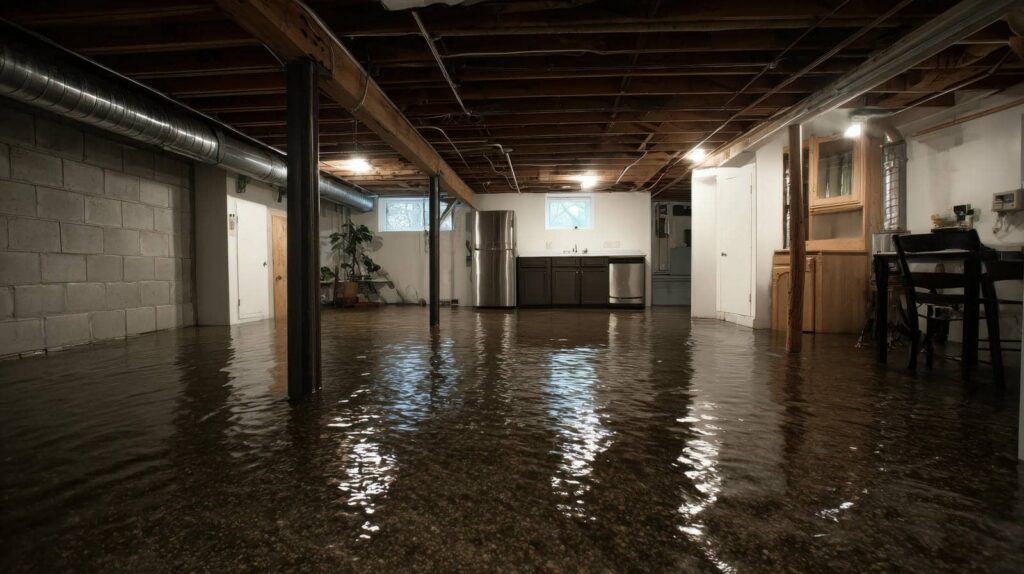
When storm water pours into your property, the damage can escalate in minutes. You need fast extraction to limit structural saturation, protect electrical systems, and stop mold before it starts. Crews assess the intrusion, isolate hazards, and deploy pumps and vacuums to remove standing water. The real question is how quickly you can act before hidden moisture spreads through walls, flooring, and insulation.
Key Takeaways
- Rapidly inspect for intrusion sources, electrical hazards, and saturated areas before extraction begins.
- Remove standing storm water immediately to reduce structural damage, humidity, and mold growth.
- Use pumps, truck-mounted extractors, and wet vacuums to clear carpets, edges, and tight spaces efficiently.
- Protect belongings by limiting water contact with porous materials, electronics, wood furniture, and documents.
- Call a professional extraction team right away if water enters indoors, spreads under flooring, or involves contamination.
What Happens First in Storm Water Extraction
When storm water enters a building, the extraction process starts with a rapid inspection to locate the source, assess the spread, and identify safety risks such as electrical exposure or structural damage.
You’ll see the team map affected rooms, note saturated materials, and confirm whether the storm water extraction service can begin safely. They isolate hazards, shut off compromised circuits if needed, and choose access points that won’t worsen intrusion.
Next, they stage pumps, wet vacuums, and hoses to target standing water with minimal disturbance.
You’re kept informed so you know what’s happening and can stay aligned with the plan. This first phase is controlled, methodical, and built to restore order fast while keeping your space and your crew connected.
Why Fast Water Removal Protects Your Home
Fast water removal limits prolonged moisture exposure, which helps stop structural damage to framing, subfloors, and drywall.
It also lowers the humidity that drives mold growth, reducing the risk of contamination and hidden decay.
Stops Structural Damage
Because water doesn’t stay static inside a building, storm water extraction service limits how long moisture can saturate framing, subfloors, drywall, and insulation after severe rain, roof leaks, or storm-driven flooding.
You reduce the load on structural members before wood swells, fasteners corrode, and joints lose alignment. Rapid extraction also keeps engineered materials from delaminating and helps preserve load paths that support walls, floors, and ceilings.
When you act quickly, you’re protecting the system your home relies on, not just the visible surfaces. That means fewer shifts, fewer hidden failures, and a lower chance that your repair team must replace larger sections later.
Fast removal gives your home a better chance to stay stable, serviceable, and ready for your household.
Reduces Mold Growth
As moisture lingers after severe rain, roof leaks, or storm-driven flooding, storm water extraction service helps cut off the damp conditions mold needs to establish colonies.
You reduce indoor humidity fast, and that limits spore germination on drywall, framing, and subfloors. Rapid extraction also lowers surface saturation, so microbial activity can’t spread through hidden voids or wall cavities.
When you act quickly, you keep temperature and moisture levels from staying in the range mold prefers. That means your home’s materials dry before colonies gain traction, and you avoid the musty odor that signals contamination.
For homeowners who want a healthier space and a stronger sense of control, prompt water removal is the practical step that protects your environment and supports a cleaner, safer recovery.
Protects Personal Belongings
Storm water extraction service also protects your personal belongings by limiting how long water can contact porous and sensitive materials. You reduce swelling, staining, and delamination when technicians remove standing water quickly and verify moisture levels.
That speed matters for items you rely on daily and want to keep within your home community.
- Wood furniture keeps its structural integrity.
- Electronics face less corrosion and short-circuit risk.
- Documents, textiles, and photos retain more of their original condition.
Fast extraction also lowers secondary damage from microbial activity and mineral deposits. When you act early, you improve salvage odds, cut replacement costs, and preserve the items that make your space feel like yours.
Signs You Need Storm Water Extraction Service
How do you know when storm water extraction service is necessary? You need it when standing water remains on floors, carpets feel saturated, or moisture reappears after cleanup.
If you notice a musty odor, visible staining, or warped baseboards, water has likely penetrated materials beyond the surface. You should also watch for damp drywall, swollen wood, or bubbling paint, since these signs indicate ongoing absorption.
If humidity spikes indoors or you see condensation on windows, trapped moisture may be spreading.
When electrical outlets, appliances, or HVAC components have been exposed, act quickly and call a qualified crew. Fast extraction helps you protect your space, reduce secondary damage, and get back to a safe, familiar environment with confidence.
How Crews Pump Out Storm Water Fast
You’ll see crews start with rapid water removal to limit structural absorption and stop further spread across floors and wall bases.
They use high-capacity pumps to move large storm volumes quickly, maintaining flow rates that outpace ongoing seepage.
Then they apply moisture control steps, including targeted extraction, air movement, and dehumidification, to reduce residual dampness and stabilize the space.
Rapid Water Removal
Crews move quickly to extract storm water by first locating the deepest pooling areas and setting high-capacity pumps to discharge water outside the structure. You’ll see them map flow paths, isolate wet zones, and move water in a controlled sequence that limits spread into adjacent rooms.
This approach protects finishes, reduces slip hazards, and keeps your space stable for the next drying stage.
- They verify electrical safety before placing equipment.
- They route hoses to preserve clear access routes.
- They monitor water depth changes to adjust placement.
You stay informed as the team tracks removal progress and confirms that standing water no longer threatens flooring, walls, or contents.
That precision helps you feel included in a coordinated response built around speed, control, and accountability.
High-Capacity Pumping
After the initial water is located and isolated, high-capacity pumping takes over to move storm water out of the structure as fast as possible.
You rely on truck-mounted or submersible units that deliver strong flow rates and sustained lift, so you’re not waiting on slow manual methods. Crews position intake hoses in the deepest points, then route discharge lines outside to keep water moving in a controlled path.
They monitor volume, access, and pump performance in real time, adjusting placement to maintain throughput. This approach matters when your team needs to restore usable conditions quickly and protect the building from extended saturation.
With the right equipment and coordination, you get efficient extraction that fits a skilled response team and keeps the job moving forward.
Moisture Control Steps
Once pumping begins, moisture control depends on tight sequencing and constant adjustment so water doesn’t spread into unaffected areas. You position extractors at the lowest points, then open pathways for safe flow while you protect dry zones with barriers and towels.
You track saturation in carpets, subfloors, and wall bases, because hidden migration can keep damage active after visible water is gone. Crews move fast, but they also verify each pass, so you stay in control and the work stays efficient.
- Map wet and dry zones before each pump cycle
- Monitor humidity, temperature, and surface moisture continuously
- Rotate air movers to accelerate evaporation without pushing contaminants
What Equipment Speeds Up Extraction
High-capacity submersible pumps, truck-mounted extractors, and wide-mouth wet vacuums speed up storm water extraction by removing standing water fast and lowering indoor moisture levels before damage spreads.
You’ll get the best results when you pair them with weighted squeegees, moisture meters, and air movers that keep the extraction zone efficient and measurable.
Pumps handle deep pooling, extractors recover water from carpet and pad, and wet vacuums clear edges, closets, and tight connections.
You can verify progress by checking surface dampness and ambient humidity as you work.
When your team uses the right tools in sequence, you reduce labor time, limit secondary saturation, and restore a safer, more stable indoor environment sooner.
That kind of coordinated response helps you feel in control after severe rain.
How Crews Handle Roof Leaks and Flood Water
Crews start by identifying the water source, stopping active intrusion, and separating clean roof runoff from contaminated floodwater before extraction begins.
You’ll see technicians map leak paths, tarp exposed sections, and isolate affected rooms so water doesn’t spread through shared cavities. They use weighted hoses, submersible pumps, and wet vacuums to pull standing water from floors, low spots, and confined edges with controlled flow rates.
- They verify electrical shutoff near wet zones.
- They stage barriers to protect dry areas.
- They monitor depth, viscosity, and debris load.
You stay informed while crews adjust intake placement for roof-drip corridors, ceiling breaks, and storm surge entry points.
That coordination helps your property team work with them, not around them, during a fast, orderly response.
What Happens After Extraction and Drying
After extraction and structural drying, technicians verify that moisture levels have returned to acceptable thresholds in framing, subflooring, insulation, and wall cavities.
You then get a detailed inspection that confirms hidden pockets of water aren’t lingering in assemblies or beneath finishes. They document readings, compare them with baseline conditions, and check for swelling, delamination, or movement that could affect performance.
You stay informed through clear reports, so you know exactly what was stabilized and what still needs monitoring.
If materials now meet criteria, crews remove drying equipment and restore access to the area. If any section remains elevated, they continue targeted drying until the structure reaches specification.
This step helps you reenter your space with confidence, because your property has been measured, validated, and prepared for the next phase.
How to Prevent Mold and Odors
To prevent mold and lingering odors, you need to remove moisture completely and keep organic materials from staying damp long enough for microbial growth to start.
You should verify that surfaces read dry with a moisture meter, then maintain airflow and controlled heat until readings stabilize.
Clean hard surfaces with a detergent solution, because residue can hold odor compounds and support regrowth.
Remove porous items that stayed wet too long, since they can trap contaminants.
You’re not just drying a space; you’re restoring a healthy baseline for everyone there.
- Inspect hidden cavities, baseboards, and underlayment.
- Replace filters after cleanup to reduce odor recirculation.
- Keep relative humidity below 60% during stabilization.
When to Call a Storm Water Extraction Team
You should call a storm water extraction team as soon as standing water appears indoors and you can’t remove it quickly with standard equipment.
If water keeps rising, seeps under flooring, or reaches drywall, you need professional extraction immediately.
You should also act fast when runoff enters through doors, vents, or foundation cracks, because saturation spreads into subfloors and wall cavities.
If you notice electrical hazards, sewage contamination, or a musty odor after flooding, don’t wait.
A trained team can assess moisture levels, deploy high-capacity pumps, and stabilize the area before structural damage advances.
Frequently Asked Questions
Does Storm Water Extraction Cover Contaminated Floodwater Removal?
No, you usually need separate contaminated floodwater removal. You’ll get storm water extraction for rapid water removal, but you should verify hazard classification, because contaminated water requires specialized cleanup, protective protocols, and disposal.
How Long Does Storm Water Extraction Usually Take?
Usually, you’ll see extraction take 1–4 hours per room, depending on depth and access. Why guess? You’ll get faster results when you deploy high-capacity pumps, because you belong to the quickest drying cycle.
Will Insurance Pay for Storm Water Extraction Services?
Yes, your insurance may cover storm water extraction if your policy includes sudden water damage. You’ll need prompt documentation, mitigation records, and claim reporting. Exclusions for flooding or neglect can still limit reimbursement, so review coverage carefully.
Can Storm Water Extraction Save Carpets and Furniture?
Yes, you can often save carpets and furniture if you act fast. Like a race against time, extraction removes standing water, limits wicking and mold, and lets you dry materials before damage sets in.
Is It Safe to Stay Home During Storm Water Extraction?
Yes, you can stay home if technicians have isolated power, confirmed structural stability, and controlled contaminants. You should avoid extraction zones, follow instructions, and monitor ventilation. If you smell sewage, leave immediately and call professionals.
Final Thoughts
After heavy rain intrusion, you need stormwater extraction fast to limit structural saturation, electrical hazards, and secondary damage. A professional team assesses the source, pumps out standing water, and begins controlled drying to stabilize the building envelope. This process works like hitting a reset switch before decay spreads. If you notice pooling, damp materials, or persistent odors, call immediately so you can protect your home, reduce mold risk, and restore safe conditions.