

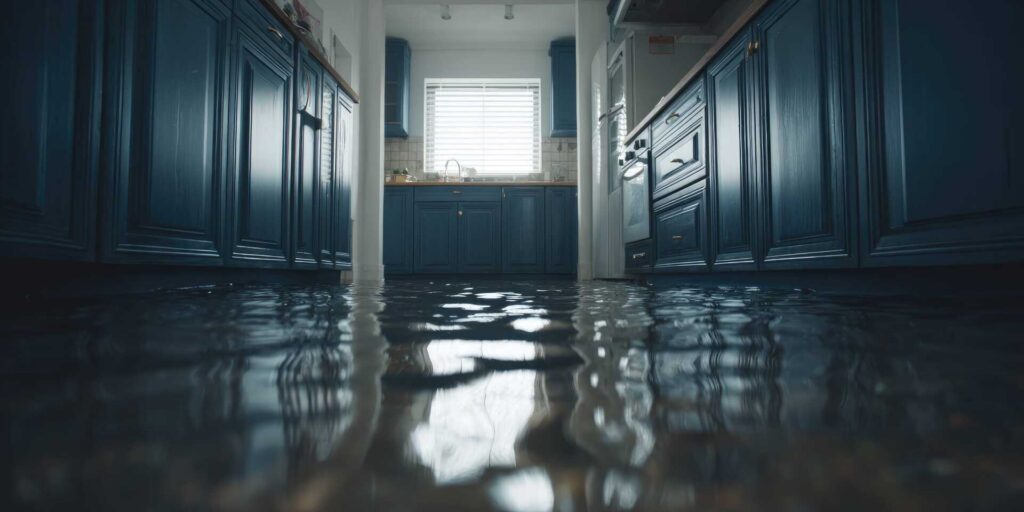
After a storm flood, you need to act fast to protect your property and your safety. You’ll first stop ongoing water intrusion, then assess which materials can be dried and which must be removed. From there, you’ll tackle walls, floors, insulation, and interior contents in a specific sequence. But when damage reaches load-bearing components, the next step changes—and that’s where the real risk begins.
Key Takeaways
- Make the property safe, stop water intrusion, and document damage before removing valuables or calling your insurer.
- Remove standing water, increase airflow, use dehumidifiers, and monitor moisture until materials are fully dry.
- Cut out damaged drywall, trim, insulation, and subfloor sections, then replace them with clean, properly fitted materials.
- Clean salvageable surfaces, discard contaminated porous items, and repair warped doors, cabinetry, and finish materials.
- Call a licensed structural repair professional if flood damage affects load-bearing members, foundation elements, or causes sagging and cracks.
What to Do First After Flood Damage
After flood damage, you should first make the property safe to enter and stop any ongoing water intrusion, if possible.
Shut off electricity only if you can reach the panel without standing in water, and report gas odors immediately. Document visible damage with photos before moving items.
Then contact your insurer and a qualified storm flood damage repair team so you can coordinate next steps with people who understand your situation and your goals.
Remove valuables, important records, and dry equipment from unsafe areas. Mark rooms with obvious hazards, like weakened floors or contaminated water, so everyone stays protected.
If you share the home, keep communication clear and calm, and assign tasks so your response stays organized, efficient, and supportive.
How to Dry Soaked Materials Fast
Speed matters when you’re drying soaked materials after storm flood damage, because wet drywall, insulation, carpet, wood framing, and contents can deteriorate quickly and support mold growth.
You should remove standing water first, then increase airflow with fans and open paths so air reaches every damp surface. Run dehumidifiers continuously to pull moisture from the air and materials.
Lift movable items off the floor, separate stacked contents, and expose hidden wet spots. Measure moisture levels with a meter so you can track progress and avoid guessing.
Keep indoor humidity low and maintain warm, steady conditions if your space allows. If materials stay wet after active drying, you’ll protect your team’s next steps and keep your restoration plan moving with confidence and control.
How to Repair Walls, Floors, and Insulation
Once you’ve dried the wet materials and verified moisture levels are within acceptable range, you can begin repairing the building components that storm flood damage affected most: walls, floors, and insulation.
Inspect each surface for swelling, delamination, and hidden decay, then remove damaged drywall, trim, or subfloor sections with clean cuts.
Replace insulation that’s compressed, contaminated, or mold-prone so your wall cavities regain thermal performance.
Install new framing patches or sheathing as needed, fastening them to sound structure.
For floors, resecure loose sections, level uneven areas, and use compatible underlayment before finish materials go back in.
- A cut-open wall cavity with fresh insulation
- A leveled subfloor ready for repair
- Clean framing beside marked replacement zones
How to Restore Interior Damage After Flooding
With the structure stabilized and moisture readings in range, you can turn to restoring the interior finishes and contents that floodwater compromised.
Begin by removing damaged trim, baseboards, cabinetry, and soft furnishings that can’t be cleaned safely. Clean salvageable hard surfaces with detergent and approved disinfectant, then dry them completely to limit secondary growth.
Launder washable fabrics in hot water, and discard porous items that retain contamination or odor. Inspect doors, casings, and built-ins for warping, then sand, prime, and repaint only after surfaces stay dry.
Reinstall flooring, hardware, and finish materials in matched stages so your spaces feel consistent again. Document each step with photos and receipts to keep your recovery organized, confident, and aligned with your restoration team.
When to Call a Structural Repair Pro
Call a structural repair pro when flood damage reaches load-bearing members, foundation elements, or framing that no longer looks plumb, level, or stable.
You need expert help if you notice widening cracks, sagging floors, doors that won’t latch, or walls separating from ceilings.
A licensed pro can assess hidden shifts, verify whether structural capacity remains, and plan safe repairs before you reoccupy the space.
You’re not alone in this process; many homeowners face the same high-stakes decisions after a storm.
- A bowed beam under a wet ceiling
- A split foundation wall with muddy seepage
- A tilted porch post after rising water
Frequently Asked Questions
Does Flood Damage Affect Electrical Systems Hidden Behind Walls?
Yes, flood damage can affect electrical systems hidden behind walls. You should inspect wiring, outlets, and junction boxes promptly, since moisture corrodes components, shorts circuits, and creates fire risks even after surfaces look dry.
Can Contaminated Floodwater Make Belongings Unsafe to Keep?
Yes, contaminated floodwater can make your belongings unsafe to keep, because you’ll trap bacteria, chemicals, and mold in porous items. You should discard damaged textiles, clean hard surfaces thoroughly, and document losses for insurance.
How Long Does Mold Take to Grow After Storm Flooding?
Mold can bloom like a hidden storm within 24 to 48 hours after flooding. You’ll want to dry materials fast, control humidity, and inspect walls and flooring quickly so you protect your space.
Are Permits Required for Major Flood Repair Work?
Yes, you’ll usually need permits for major repairs involving structural changes, electrical, plumbing, or mechanical work. You should check with your local building department early, so you stay compliant, avoid delays, and protect your project.
Will Insurance Cover Storm Flood Damage Repairs?
Yes, if you’ve got flood coverage, your insurer may cover storm damage, minus deductibles and exclusions. You’ll need prompt documentation, photos, and a claim filed quickly to maximize recovery and keep your repair process moving.
Conclusion
After storm flood damage, you need to act fast to limit structural and interior losses. About 1 in 4 flood claims involve repeated water intrusion, so quick drying and repair really matter. Start by stopping the source, then dry materials, remove damaged drywall and insulation, and clean or replace affected contents. If you see sagging floors, cracked framing, or other load-bearing damage, don’t wait—call a licensed structural repair pro before you reoccupy the space.