

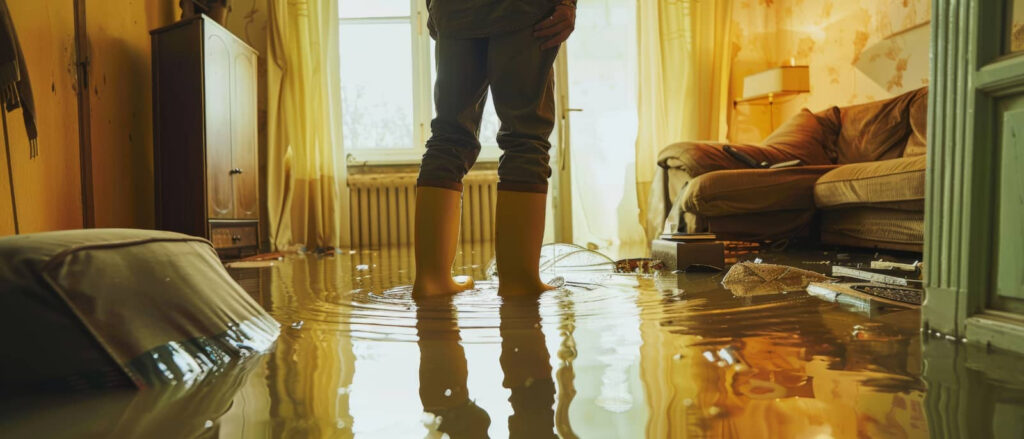
Storm flood cleanup requires quick, careful action to minimize property damage and reduce the risk of mold growth. When stormwater enters your home, start by checking for hidden hazards, wearing appropriate protective gear, and removing water-damaged materials when it is safe to do so. Professional storm flood cleanup includes extracting standing water, drying affected areas with air movers and dehumidifiers, and inspecting walls, floors, and insulation for trapped moisture. Once the structure is thoroughly dried and assessed, necessary repairs can begin in accordance with applicable building codes. Addressing hidden moisture and structural damage early helps prevent recurring problems and protects your home from further deterioration.
Key Takeaways
- Enter only when officials say it is safe, utilities are off, and you have boots, gloves, and eye protection.
- Photograph damage first, then remove soaked debris, insulation, paper goods, and other unsalvageable materials.
- Dry the home quickly with fans, dehumidifiers, and ventilation to reduce moisture and prevent mold growth.
- Inspect drywall, framing, floors, and subfloors for warping, softness, rot, or structural damage before repairs.
- Replace damaged materials, seal seams, and consult a professional if you find mold, sagging, or hidden structural issues.
Prioritize Safety After Flooding
Before you begin storm flood cleanup, make safety your first priority. You should enter affected areas only when officials say it’s safe and utilities are confirmed off if needed.
Wear sturdy boots, gloves, and eye protection so you can reduce contact with hidden hazards. If you smell gas, see sparks, or hear unusual sounds, leave immediately and call the proper utility provider.
Watch for weak floors, sagging ceilings, and unstable walls because structural damage can worsen without warning. Keep children and pets away from the site so you can work without distraction.
Document visible damage with photos before you move forward. When you stay alert and follow clear safety steps, you protect yourself and support a more controlled recovery for everyone involved.
Remove Soaked Materials and Debris
Start by removing soaked materials and storm debris as soon as it’s safe to do so. You’ll reduce further damage by clearing items that can’t be salvaged and by opening access to affected areas.
Work methodically so you and your crew stay organized and covered.
- Bag ruined fabrics and paper goods.
- Remove wet insulation and ceiling panels.
- Pull out mud, silt, and loose debris.
- Separate salvageable items from discarded ones.
- Stack waste in one designated pickup area.
Use sturdy gloves, boots, and masks when handling contaminated material.
Label contents if you’re sorting belongings for insurance or replacement. Keep pathways clear so you can move safely through the space and stay coordinated with anyone helping you.
Dry Your Home Before Mold Starts
Once the worst debris is out, you need to dry the home quickly to stop mold from taking hold. Open windows only if outdoor air is dry, then run fans to move air across wet surfaces.
Use dehumidifiers in closed rooms to pull moisture from the air and speed evaporation. Remove wet rugs, cushions, and other absorbent items so air can reach floors and walls.
Check closets, cabinets, and corners, since trapped moisture often lingers there. Lift furniture pads and prop items apart to improve circulation.
Keep monitoring humidity and surface dampness throughout the day. If materials stay wet for more than 24 to 48 hours, mold can start growing.
Acting fast helps you protect your space and stay part of a healthier home.
Repair Flood-Damaged Structures
After the structure is dry and stable, you can begin repairing flood-damaged materials such as drywall, insulation, subfloors, and framing. You’ll want to assess each area carefully, remove compromised sections, and verify that remaining members are sound before you rebuild.
Work methodically so you can keep the space safe and maintain your progress with confidence.
- Inspect framing for warping, rot, or loose fasteners.
- Cut out damaged drywall with clean, measured lines.
- Replace wet insulation that won’t recover its shape.
- Check subfloors for swelling, softness, or hidden decay.
- Document repairs so you can coordinate with your team.
Use matching materials and secure connections to restore strength.
If damage extends beyond surface level, bring in a qualified professional so your home stays dependable and you feel supported through each step.
Restore Floors, Walls, and Insulation
Rebuild carefully by restoring floors, walls, and insulation only after you’ve confirmed the area is dry, clean, and structurally sound.
You should remove warped flooring, cut out swollen drywall, and discard insulation that held floodwater.
Then you can install new subflooring, replace wallboard, and fit fresh insulation that matches local code and moisture ratings.
Seal seams, tape joints, and prime exposed surfaces to reduce future damage.
If you notice soft spots, hidden mold, or sagging framing, stop and consult a qualified professional.
During each step, keep the space ventilated and organized so you can work safely and stay coordinated with your crew.
Frequently Asked Questions
How Soon Should Insurance Be Contacted After Storm Flood Damage?
You should contact your insurer immediately, ideally within 24 hours of storm flood damage. You’ll speed claims, protect coverage, and document losses early. Call, photograph everything, and follow their reporting instructions carefully.
Can Contaminated Floodwater Be Safely Cleaned With Household Products?
No, you shouldn’t clean contaminated floodwater with household products; you’ll need proper protective gear, disinfectants, and safe disposal methods. You risk spreading germs, so you should call trained professionals for thorough, controlled cleanup.
What Documents Help Support a Flood Damage Claim?
You’ll need photos, videos, receipts, repair estimates, inventory lists, insurance policies, and claim forms. Keep dated notes on damaged rooms, soaked materials, and cleanup costs; they help you show clear losses and strengthen your claim.
When Is It Safe to Turn Electricity Back on Indoors?
You can turn electricity back on only after a licensed electrician has inspected the system, you’ve confirmed outlets, wiring, and panels stayed dry, and local authorities clear it. If anything’s wet, don’t energize it.
Should HVAC Systems Be Inspected After Interior Flooding?
Yes—you should inspect your HVAC system after flooding. Like a choir after rain, even one damp duct can spread problems. You’ll want a qualified technician to check for contamination, moisture, and damaged components promptly.
Conclusion
After storm flooding, you should always start with safety, then remove soaked debris and dry the space fast to limit mold. For example, if your basement carpet, drywall, and insulation stayed wet for more than 24 hours, you’d need to discard them and replace the damaged sections. Then repair structural elements, restore floors and walls, and document every step. When you act quickly and methodically, you reduce hidden damage and get your home back on track.