

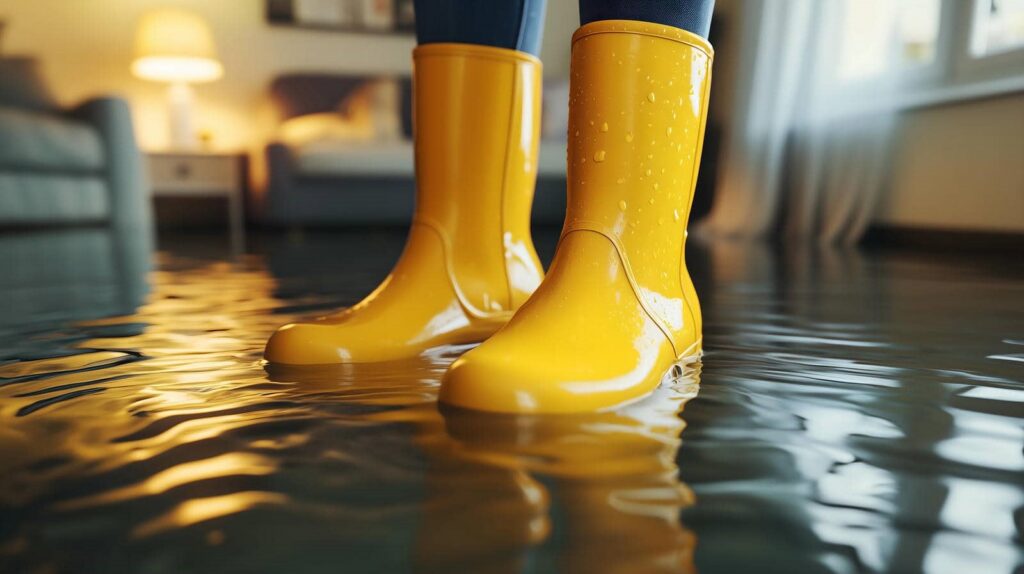
Many water damage jobs take several days to a few weeks, depending on the source and extent of the loss. You’ll usually see clean water dry faster than grey or sewage water, while drywall, carpet, and structural materials can hold moisture longer. Repairs often extend the timeline. If you act quickly and stay in close contact with your cleanup team, you can limit delays and reduce mold risk—but the full schedule depends on a few key factors.
Key Takeaways
- Water damage cleanup usually takes a few days to several weeks, depending on the severity and extent of damage.
- Clean water dries fastest, while grey water and sewage require longer cleanup and stricter sanitation.
- Drying time varies by material; carpet may dry in 12 to 48 hours, while drywall and wood can take several days.
- Hidden moisture, porous materials, and structural damage can extend the timeline significantly.
- Repairs, replacement materials, and contractor scheduling often add days or weeks after drying is complete.
How Long Does Water Damage Cleanup Take?
Water damage cleanup can take anywhere from a few days to several weeks, depending on the water source, the extent of material damage, the drying time required, and any repairs needed.
If you’re asking how long does water damage cleanup take, you can expect a fast response to focus on extraction, drying, and sanitation first. Your team will assess affected areas, remove unsalvageable materials, and monitor moisture until readings return to safe levels.
Minor incidents may finish quickly, while larger losses need more time for drying and restoration. You’re not alone in this process; clear communication helps you stay informed and confident.
Once the structure is dry, repairs can begin, and your space can move back toward normal.
What Affects Water Damage Cleanup Time Most?
The biggest factors in cleanup time are the water source, how far moisture spread, what materials were affected, and how quickly drying can start. You’ll move faster when damage stays contained and crews can begin extraction right away.
Porous materials like drywall, insulation, and carpet pad hold water longer, so they often need removal or extra drying. Structural framing can usually be saved if you act quickly, but hidden moisture in cavities adds time because technicians must inspect, measure, and verify safe levels.
Repairs also extend the schedule when cabinets, flooring, or trim need replacement. When you understand these variables, you can plan better and feel less overwhelmed. Your team will guide each step, keep you informed, and help you get your space back with confidence.
How Fast Do Different Water Sources Dry?
Clean water dries the fastest because it leaves less residue and usually needs only standard extraction and airflow.
Grey water takes longer since contaminants can slow evaporation and increase cleaning needs, while sewage demands the most drying time because you’ll need full sanitation and deeper material removal.
Your cleanup timeline depends on the source, so faster drying starts with the right containment, drying equipment, and safety controls.
Clean Water Dries Quickest
Fresh water usually dries fastest because it leaves less residue and causes less material breakdown, so cleanup often moves into drying sooner.
You’ll usually see faster progress when the source is a clean supply line or rainwater from a recent intrusion.
After extraction, you can expect air movers and dehumidifiers to lower moisture quickly if materials haven’t swelled or delaminated.
Porous items like carpet pad and drywall still need close monitoring, but they often respond well when you act early.
In a typical job, drying may take 1 to 3 days, while heavier repair work can add time.
When you work with a trained team, you’re not guessing; you’re following a clear process that helps your space return to normal safely.
Grey Water Takes Longer
Grey water usually takes longer to dry because it carries contaminants that can soak into materials and slow the cleanup process. You’ll often need faster extraction, deeper cleaning, and more cautious drying than with clean water.
Porous items like carpet pad, drywall, and insulation may hold moisture longer, so your timeline can stretch from a day or two into several days. Technicians usually monitor humidity, surface moisture, and airflow to confirm progress, not guess.
If you act quickly, you can still protect more of your home and keep repairs simpler. You’re not dealing with this alone; a skilled crew can map the drying plan, track each zone, and help you move from damage control to recovery with confidence and less stress.
Sewage Requires Maximum Drying
Sewage water usually takes the longest to dry because it brings the highest contamination level and often forces the most aggressive cleanup. You’ll usually need immediate extraction, antimicrobial treatment, and complete drying before repairs can start.
That extra work extends the timeline, but you’re not alone in it; teams handle these losses every day.
- Category 3 water needs full protective containment.
- Porous materials often need removal, not just drying.
- Structural drying can take several days.
- Repairs add time if framing or subflooring is damaged.
If you act fast, you can limit spread, odor, and mold risk.
You’ll move through cleanup more safely when technicians verify moisture levels and confirm sanitation before reopening the space.
How Long Does Drying Take for Different Materials?
Drying times vary by material, because each surface absorbs and releases moisture at a different rate. You’ll usually see drywall dry in 1 to 3 days if airflow is strong and saturation is limited.
Wood framing can take 3 to 7 days, and dense hardwoods may need longer. Carpet and padding often dry in 12 to 48 hours, but padding can trap moisture, so you may need extra extraction.
Concrete seems tough, yet it can hold water in pores for 2 to 5 days or more. Insulation dries slowly and often gets replaced.
Fabric, paper, and laminate need close monitoring, since they can warp or delaminate. With the right equipment, you’re not waiting blindly—you’re tracking progress and staying on a clear, shared timeline.
How Do Repairs Affect the Cleanup Timeline?
Repairs can extend your cleanup timeline because you first need a clear scope assessment to identify what’s damaged and what can stay.
If structural restoration is required, you’ll spend extra time on framing, subfloors, or drywall work before the area is fully stable.
Material replacement can also add delays when you’re waiting on matching parts, specialty orders, or drying confirmation before installation.
Repair Scope Assessment
When repair needs extend beyond cleanup, your timeline can grow quickly because each damaged material requires a different level of work. You’ll usually see faster completion when damage stays within removable finishes, but longer schedules when materials must be matched or replaced.
Your assessor should document:
- wet drywall and insulation
- warped flooring or trim
- stained ceiling panels
- affected cabinets or built-ins
This scope helps you separate drying tasks from repair tasks, so you know what’s truly delaying closeout. You and your team can then prioritize ordering parts, scheduling trades, and confirming availability.
Clear findings reduce surprises, keep communication tight, and help you feel grounded in the process. When everyone knows the scope, you’ll move through cleanup with more confidence and fewer delays.
Structural Restoration Time
Once demolition and drying are complete, structural restoration usually becomes the longest phase because it involves rebuilding, not just removing moisture.
You’ll see this stage cover framing, drywall, insulation, trim, flooring, and sometimes cabinets or built-ins. The timeline depends on how much structure you lost and how many rooms you need to restore.
Small repairs may take a few days; larger projects can run for several weeks. Your team should sequence work carefully so each layer can dry, set, and pass inspection before the next begins.
This keeps the job safe and code-compliant. You’re not waiting aimlessly; you’re moving through a controlled rebuild.
Clear communication, proper scheduling, and steady progress help you stay informed and confident as your space returns to normal.
Material Replacement Delays
If damaged materials need to be replaced, your cleanup timeline usually stretches beyond drying because ordering, delivery, and installation all add time.
You’ll often wait longer when drywall, insulation, flooring, or cabinets are custom-fit or backordered. Your team should document removals, confirm measurements, and schedule trades in sequence so you don’t face avoidable gaps.
In many homes, repairs add several days to several weeks, depending on scope and material availability.
- Inspect and remove unsalvageable materials
- Order matching replacement products
- Allow for delivery and acclimation
- Schedule installation, sealing, and finish work
When you stay in close contact with your contractor, you’ll know what’s next and feel supported through each step.
How Can You Speed Up Water Damage Cleanup?
You can speed up water damage cleanup by acting fast and focusing on the biggest delays: stop the water source, remove standing water, and start drying materials immediately.
Open doors, run fans and dehumidifiers, and pull wet furniture away from walls so airflow reaches hidden moisture.
You should document damage, then call a qualified restoration team right away; professionals can measure moisture, classify the water source, and set the right drying plan.
Remove salvageable items quickly, and discard porous materials that won’t dry cleanly.
Keep power off in affected areas until it’s safe.
Stay in contact with your team, because fast decisions reduce mold risk and keep repairs on track.
When you move together, you shorten downtime and protect your home.
Frequently Asked Questions
Can Water Damage Cleanup Happen on Weekends?
Yes, you can schedule water damage cleanup on weekends, and you should if needed. You’ll often get faster response, limit damage, and start drying sooner. Crews can assess, extract water, and begin repairs promptly.
Do Insurance Approvals Delay Cleanup Work?
Yes, insurance approvals can delay your cleanup, but you can often start mitigation right away. You’ll reduce damage by documenting everything, notifying your insurer quickly, and coordinating with approved vendors to keep repairs moving.
Is Mold Testing Needed After Water Damage?
Yes, you should test for mold if materials stayed wet over 24–48 hours; moisture, staining, or musty odors often coincide with hidden growth, and you’ll protect your space, your team, and your repair timeline.
Can Electronics Be Saved After Flooding?
Yes, you can sometimes save electronics after flooding if you power them off, disconnect batteries, dry them quickly, and have a technician inspect them. Saltwater, corrosion, and prolonged submersion usually mean you’ll need replacement.
When Is It Safe to Return Home After Cleanup?
You can return once professionals confirm surfaces are dry, contamination’s gone, and utilities are safe. If they’ve repaired structural damage and cleared mold risk, you’re likely okay. Always follow their clearance before reentering home.
Summary
So, how long will your water damage cleanup really take? It can be just a few days, or it may stretch into weeks if contamination, hidden moisture, or repairs slow things down. The faster you act, the better your chances of limiting damage and mold growth. Stay in close contact with your cleanup team, monitor drying progress, and don’t assume the job’s done too soon—what’s left unseen can cause the biggest problems.