

When standing water sits too long, you’re giving moisture a path into floors, walls, and hidden cavities. That can turn a small cleanup into a costly repair fast. You need to remove it quickly, dry the affected materials, and check for trapped moisture before mold and structural damage take hold. The next step is knowing what to do first, and what signs mean the damage is already spreading.
Key Takeaways
- Extract standing water immediately to prevent it seeping into floors, walls, and subfloors.
- Turn off power and wear protective gear before removing any water safely.
- Use a wet/dry vacuum or submersible pump for fast, efficient water removal.
- Dry hidden moisture in carpet, insulation, and wall cavities to reduce mold and structural damage.
- Call a restoration professional if water is contaminated, widespread, or affecting electrical systems.
Why Standing Water Needs Fast Extraction
When standing water is left in place, it can quickly seep into floors, walls, and other building materials, increasing the risk of swelling, warping, and structural damage.
You need standing water extraction fast because porous materials absorb moisture within minutes, and hidden spaces can trap it longer. That trapped water can weaken adhesives, stain finishes, and raise the chance of mold growth.
Quick action also helps you limit repair costs and keep your property stable. When you respond early, you protect the structure and give your space a better chance at a full recovery.
You’re not facing this alone; prompt extraction is a standard step toward preventing deeper damage.
How to Remove Standing Water Safely
Before you start removing standing water, cut the power to any affected area, wear protective gear, and check whether the water is clean, gray, or contaminated.
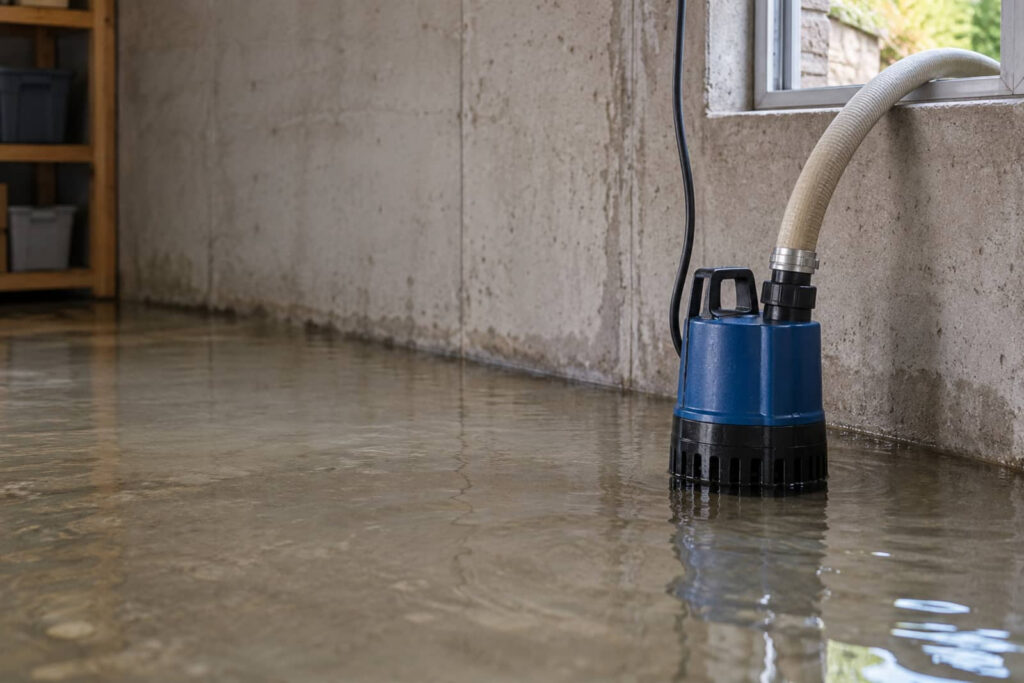
If the water is clean, use a wet/dry vacuum, pump, or mop to lift it from the surface, working from the edges toward the center. If the volume is high, use a submersible pump first, then switch to extraction tools.
Dispose of contaminated water according to local rules, and avoid spreading it into dry areas. Keep children and pets out of the zone while you work.
Once visible water is gone, use fans and dehumidifiers to reduce moisture and verify the space stays safe.
You’ve got this, and careful removal helps you stay in control.
What Standing Water Does to Floors
Standing water can warp floors as wood, laminate, and subfloor materials absorb moisture and swell.
If you leave it in place, it can soak deeper into the assembly and weaken adhesives, joints, and finishes.
It can also trap moisture under flooring, which creates conditions for mold growth and hidden damage.
Floor Warping Risks
Even a small amount of standing water can quickly seep into flooring and make materials expand, lift, or bend. You may notice cupping, crowning, or edge rise first, especially along seams and joints.
Wood, laminate, and composite floors react differently, but all can lose their flat profile when water pools under them. The longer you wait, the more stress builds across the surface, and that uneven force can make boards shift or separate.
Prompt standing water extraction helps you stay ahead of costly warping and keeps your floors stable, safe, and easier for your crew or family to use. If you act fast, you’re not overreacting—you’re protecting the space you belong in and preserving the floor’s structure before the damage spreads.
Moisture Soak Damage
When water sits on a floor, it doesn’t just wet the surface—it starts soaking into seams, edges, underlayment, and subfloors, weakening the materials from the inside out.
You may see cupping, soft spots, or lifted joints as moisture spreads through wood, laminate, vinyl seams, and adhesive layers. The longer it stays, the more it disrupts structural integrity and finish performance.
Quick standing water extraction helps you limit absorption, reduce swelling, and protect the layers you can’t see. You’re not overreacting by acting fast; you’re preserving the floor system before hidden saturation turns into costly repairs.
With prompt drying and targeted moisture checks, you can get ahead of the damage and keep your space stable, safe, and ready for recovery.
Mold Growth Under Flooring
If water remains trapped beneath flooring, mold can start forming on the damp underside, in underlayment, and along subfloor seams within a short time.
You may not see it right away, but spores use moisture, warmth, and trapped debris to spread quickly. This can weaken adhesives, stain wood, and warp panels, especially if you’ve got laminate, hardwood, or carpet padding.
Quick extraction helps you stay ahead of hidden damage and protects the structure your team or family relies on. You’ll also reduce odors and improve indoor air quality.
After removal, dry the assembly fully, inspect edges and connections, and replace materials that stayed wet too long. Acting fast keeps your space safer, cleaner, and ready to recover with confidence.
How Standing Water Wicks Into Walls and Drywall
Standing water can move into walls through capillary wicking paths, pulling moisture upward behind baseboards and into framing.
Drywall absorbs water quickly, so even a small spill can spread beyond what you see on the surface.
Quick standing water extraction helps limit hidden wall damage and makes drying more effective.
Capillary Wicking Paths
Water can travel farther than you might expect because porous materials create capillary wicking paths that pull moisture upward into drywall, framing, and insulation.
You’re seeing a common physics problem: tiny pores and joints act like narrow tubes, drawing water against gravity. Even a thin film on a slab or subfloor can migrate into wall bottoms, trim, and fasteners.
If you act quickly, you interrupt that movement before it spreads. Remove pooled water, open hidden edges, and increase airflow at the base of affected assemblies.
You’ll help limit migration into cavities and reduce the chance of deeper structural involvement. In a shared home or building, fast extraction protects everyone’s space and keeps recovery moving in the right direction.
Confidence starts with prompt, informed action.
Drywall Moisture Absorption
Drywall acts like a sponge at the base of an affected wall, pulling moisture upward through the paper facing and gypsum core by capillary action.
You’ll see this most where standing water lingers along the floor line, because the material absorbs fast and spreads dampness above the visible edge.
If you remove water quickly, you limit how far it can climb and reduce the load on adjacent finishes. The wall may feel cool or soft near the bottom, but prompt extraction keeps that zone from staying wet longer than it should.
You’re not dealing with a failure alone; you’re handling a common water-loss response. Fast drying helps the structure recover, and it gives your space the best chance to return to normal.
Hidden Wall Damage
Even when the surface looks dry, moisture can keep moving behind the wall through seams, base plates, and porous drywall, where it wicks upward and spreads into hidden materials.
You may not see the damage, but capillary action can saturate insulation, framing, and backing panels fast. That trapped water raises humidity inside the wall cavity, weakens gypsum, and creates ideal conditions for mold and wood decay.
When you extract standing water quickly, you cut off the source before it reaches deeper layers. You also give your home a better chance to dry evenly and stay structurally sound.
If you’re dealing with this now, you’re not alone—fast action and the right drying steps can protect your space and help it recover cleanly.
Why Building Materials Break Down Quickly
Once standing water seeps into building materials, it starts weakening them fast by saturating fibers, swelling surfaces, and breaking down adhesives and binders.
You’re dealing with porous materials that wick moisture inward, so the damage moves beyond the surface. Wood loses stiffness as cells absorb water; drywall softens as gypsum cores saturate; insulation compresses and traps moisture; and metal fasteners can begin corroding.
In humid spaces, evaporation slows, so materials stay wet longer and lose strength faster. That’s why quick standing water extraction matters: it cuts moisture exposure before layers delaminate, warp, or crumble.
When you act early, you protect the structure, reduce repair scope, and stay in control with a team that understands what your property needs.
Signs You Need Standing Water Extraction Now
How do you know it’s time for standing water extraction? You act fast when water remains after cleaning or a leak. You’ll likely notice:
- pooled water that won’t drain
- wet carpet edges or buckling floors
- damp baseboards or swollen trim
- a musty, stale odor
- electrical risks near outlets
If you see any of these, you need extraction now. Standing water can spread under flooring and into wall cavities, so prompt removal protects your space and keeps repairs manageable.
You’re not overreacting; you’re responding to a real condition that demands immediate attention. Call a water removal team as soon as pooling appears, and you’ll help your property recover with less disruption, less stress, and a clearer path forward.
Dry Out Hidden Moisture Before Mold Starts
Standing water is only part of the problem, because moisture often lingers in subfloors, wall cavities, insulation, and trim after the visible water is gone.
You need to move air across these damp areas, lower indoor humidity, and keep surfaces open so evaporation can happen fast. Use fans, dehumidifiers, and gentle heat to pull moisture out of materials before spores settle and spread.
Check hidden edges, baseboards, and carpet padding with a moisture meter if you have one. When readings drop to normal, you can close up the space with confidence.
Acting early helps you protect your home, your routine, and the people who belong in it. Drying completely now prevents lingering odors, softening, and hidden damage from getting a foothold.
When to Call a Water Damage Restoration Pro
If the water is spread through carpet, drywall, subfloors, or insulation, or if it came from a contaminated source, you should call a water damage restoration pro right away.
You’re not overreacting; you’re protecting your space and your people.
Call if:
- water keeps returning after extraction
- materials feel soft, swollen, or sagging
- odor stays damp or musty
- the source involved sewage, chemicals, or floodwater
- electrical systems or HVAC got wet
A pro can assess hidden saturation, meter moisture, and use controlled drying equipment fast.
You get a clear plan, safer cleanup, and less risk of structural loss.
If you’re unsure, trust the signs and reach out early.
You belong in a home that feels solid, dry, and safe.
How to Prevent Future Standing Water Problems
Keeping standing water from coming back starts with finding and fixing the source fast. You should inspect roofs, gutters, downspouts, grading, sump pumps, and appliance lines after every storm or leak.
Keep drains clear, seal cracks, and replace worn hose connections before they fail. Test your sump pump, clean the basin, and verify the discharge line carries water away from the foundation.
Inside, monitor humidity, repair drips, and dry spills promptly so moisture can’t settle into floors or walls. If you spot recurring damp spots, track them and call a pro before hidden damage spreads.
With a routine checkup plan, you and your household stay ahead of problems, protect materials, and keep your space safe, dry, and ready for everyday life.
Frequently Asked Questions
How Long Can Standing Water Remain Before Serious Damage Starts?
Serious damage can start within 24 to 48 hours, and you should act sooner. You’ll reduce warping, staining, and microbial growth by removing water immediately, protecting your floors, walls, and materials.
Can Standing Water Damage Subfloors Without Visible Signs?
Yes, you can’t always see it, but standing water can wick into subfloors, weaken seams, and promote rot. You’ll protect your home by removing moisture fast and checking beneath flooring promptly.
Is It Safe to Walk Through Standing Water Indoors?
Usually not—you shouldn’t walk through indoor standing water until you know it’s safe. You could face electrical shock, slips, or contamination. Turn off power if you can, avoid the area, and call professionals for assessment.
How Do I Know if Moisture Is Trapped Behind Walls?
If your wall sounds like a damp drum solo, you’ve got trouble. You can spot trapped moisture with bubbling paint, musty smells, cool spots, warped trim, or a moisture meter; you’re not helpless, and quick action helps.
Does Standing Water Always Require Professional Extraction?
No, you don’t always need professional extraction, but you should assess depth, contamination, and affected materials quickly. If water’s clean and shallow, you might handle it; otherwise, you’ll protect your home better by calling experts.
Conclusion
If you spot standing water, act fast before it spreads into floors, walls, and insulation. For example, a small basement leak can soak drywall behind the surface in just hours, creating hidden damage and mold risk. You can reduce repair costs by extracting water quickly, drying materials thoroughly, and calling a restoration pro when needed. The sooner you respond, the better you protect your home, health, and property value.