

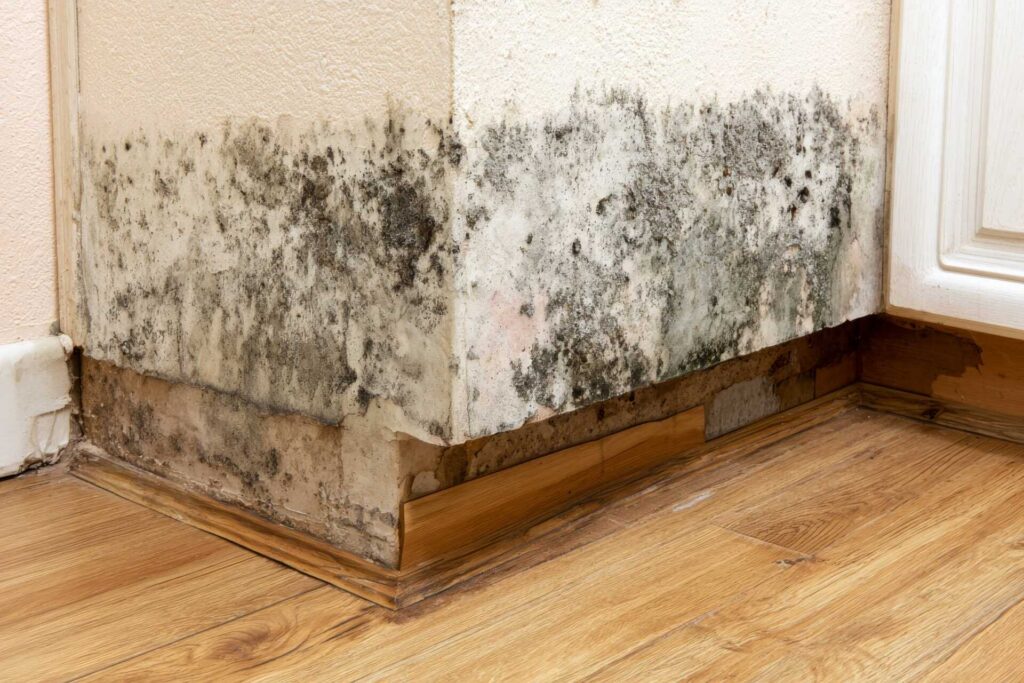
Like a sponge in a storm, wet insulation can quietly turn from asset to liability. You can’t count on it to keep heat in, dry fast, or stay clean once water gets in. It loses performance, may hide mold, and can signal deeper water damage in your walls or attic. Knowing when repair ends and replacement begins matters, because the wrong call can keep costing you long after the leak stops.
Key Takeaways
- Wet insulation loses thermal performance, raises energy costs, and can strain HVAC systems.
- Insulation that stays damp, sags, or smells musty usually needs replacement, not more drying time.
- Trapped moisture can cause mold growth, spreading contamination and harming indoor air quality.
- Replace damaged insulation after drying the cavity and checking framing, vapor barriers, and hidden moisture.
- New insulation restores comfort, proper R-value, and efficient moisture control, preventing future damage.
What Wet Insulation Does
Wet insulation does more than just hold water—it reduces drying efficiency, lowers thermal performance, and can create conditions for mold growth.
When you let moisture stay in the material, it traps heat loss and slows airflow through the cavity. You’ll feel uneven temperatures, higher utility costs, and more strain on your HVAC system.
Saturated fibers also add weight and can deform batts or blow-in fill, leaving gaps that weaken coverage.
In a building community that values comfort and reliability, you need a dry envelope to protect everyone inside. That’s why water damaged insulation replacement often becomes the practical choice.
When you act quickly, you limit secondary damage, restore consistent R-values, and reduce the chance that hidden moisture keeps affecting the space.
Can Wet Insulation Be Saved?
Can wet insulation be saved? Sometimes, but only if you act fast and the material stayed lightly damp. You can often dry clean, unfaced fiberglass or mineral wool, yet soaked batts, compressed fibers, or contaminated insulation usually need replacement. Your goal is to restore thermal resistance and stop moisture from lingering in your assembly.
Remove the water source first.
Open the cavity and promote airflow.
Replace any insulation that’s matted, dirty, or odor-ridden.
If you’re working with a small, recent leak, controlled drying may work. If the insulation sat wet for long, it won’t perform like new.
You’ll usually save more money, comfort, and peace of mind by replacing material that can’t fully recover.
Signs You Need Insulation Replacement
You need insulation replacement when the material no longer dries fully, loses loft, or starts trapping odor and moisture in the cavity.
You may also notice dark staining, clumping, sagging batts, or compressed fibers that won’t spring back. If you press the insulation and it feels damp, brittle, or cool long after the area is dry, it’s no longer performing as designed.
You should also watch for repeated musty smells, visible debris from damaged facing, or uneven temperatures between rooms. In your home, these signs often mean the assembly has lost uniform coverage.
When you spot them early, you can protect comfort, reduce call-backs, and stay aligned with a team that values clean, reliable building performance. A quick inspection helps you act before minor damage becomes a larger repair.
Why Wet Insulation Slows Drying
When insulation gets wet, its fibers hold moisture and keep it from releasing quickly.
You also lose airflow through the material, which slows evaporation and traps dampness deeper in the assembly.
That’s why drying times stretch out, and you may need water damaged insulation replacement to restore proper drying and performance.
Moisture Retention In Fibers
Wet insulation traps water within its fibers, which makes it slow to dry and harder to restore. You’re dealing with capillary action: tiny spaces between fibers pull moisture inward and hold it there. That trapped water raises material weight, reduces thermal resistance, and keeps the insulation from returning to normal performance quickly.
Dense fibers absorb more water and release it slowly.
Surface moisture can disappear while interior moisture stays hidden.
Residual dampness keeps the material from recovering its original loft.
You want a dry, reliable envelope, and this moisture load works against that goal. When fibers stay saturated, you don’t just wait longer; you risk lingering damage and reduced efficiency.
Spotting retained moisture early helps you make the right replacement choice fast.
Blocked Airflow Paths
Once insulation gets wet, its compressed structure can choke off airflow, so drying slows dramatically. You lose the open channels that normally let air move through the batt or cavity, and that trapped moisture keeps fibers packed tight.
When you inspect the area, you’ll often find damp spots that feel dense and cool because air can’t pass through them well. You need clear airflow for drying equipment to work efficiently, and blocked paths reduce that exchange.
If you’re restoring a room, you want the insulation to breathe with the space again, not trap water inside its layers. That’s why you should treat wet insulation as a system problem, not just a surface issue.
Replace damaged sections so your home can dry properly, perform better, and stay healthier for everyone inside.
Extended Drying Timelines
The same trapped moisture that blocks airflow also stretches drying times far beyond normal. You can’t count on surface dryness, because wet insulation holds water inside fibers, batts, or voids and keeps releasing it slowly. That delay raises humidity, slows framing recovery, and keeps your crew waiting longer before repairs can move ahead.
You’ll also face higher risk of mold and odor if you rush.
Dense insulation traps liquid and vapor, so evaporation stays limited.
Cold, enclosed cavities reduce air movement and lower drying efficiency.
Moist materials re-wet adjacent surfaces, extending the whole project.
When you replace damaged insulation, you help the assembly dry on schedule and protect the people who live there.
Why Wet Insulation Can Lead to Mold
When insulation stays wet, it traps moisture in the cavity and creates conditions that support mold growth.
You also keep wet fibers in contact with dust and other contaminants, which gives mold more material to colonize.
If you leave it in place, the hidden moisture can spread mold beyond the original damage area.
Moisture Traps Mold Growth
Moisture trapped in insulation creates the damp, stagnant conditions mold needs to grow, especially in enclosed wall cavities and attics.
You may not see it at first, but wet material lowers airflow and keeps surfaces cool, giving spores a stable place to colonize.
When you act quickly, you protect your home and your crew from avoidable damage.
- Check for musty odors and dark spots near wet areas.
- Improve ventilation so trapped humidity can escape.
- Replace insulation that stays damp after drying efforts.
Wet Fibers Retain Contamination
Wet insulation fibers don’t just hold water; they also trap dirt, dust, and organic debris that feed mold growth.
When you leave wet insulation in place, those contaminants stay embedded in the fibers and create a nutrient-rich surface for spores. You can’t dry out the hidden debris fast enough to stop microbial activity.
Even if the material feels dry on top, moisture often lingers deep inside, where mold can spread unnoticed.
That’s why you need to replace contaminated insulation after a leak or flood. Doing so helps you protect indoor air quality, reduce odor, and restore thermal performance.
When you act quickly, you join the group of homeowners who prevent bigger damage instead of chasing it later.
When Insulation Cleaning Isn’t Enough
Even after cleaning, insulation can stay compromised if it has absorbed enough water to lose loft, trap moisture, or hold contaminants deep in the material.
You may see it look drier, but its thermal resistance can still be weak, and hidden dampness can keep feeding odors and microbial growth. You’re not overreacting when cleaning fails to restore performance.
Loss of R-value: compressed fibers insulate less.
Persistent moisture: trapped water slows drying in adjacent materials.
Residual contamination: dirt, sewage, or mold spores can remain embedded.
If you want a durable result, judge the material by condition, not appearance.
When it stays soft, matted, or musty, cleaning alone isn’t enough, and your building still needs a better fix.
Water Damaged Insulation Replacement Steps
When cleaning doesn’t restore loft, dry the assembly, or remove contamination, you’ll need to replace the water damaged insulation.
Start by isolating the area, shutting off power, and wearing PPE. Remove trim or coverings carefully, then take out all compromised insulation and any damp debris. Bag it immediately so you don’t spread fibers or residue.
Inspect framing, vapor barriers, and fasteners for moisture, staining, or decay; fix leaks before you reinstall anything.
Dry the cavity fully with airflow and dehumidification. Measure moisture with a meter, and don’t close the space until readings are stable.
Match the replacement material to the assembly, cut it to fit snugly, and install it without compressing it. Seal edges, then verify the area is clean, dry, and ready for your crew.
How New Insulation Restores Efficiency
New insulation restores efficiency by re-establishing the thermal barrier that water damage disrupted. You regain stable indoor temperatures, and your HVAC system doesn’t have to work as hard. That means you cut wasted energy, reduce strain on equipment, and feel more comfortable in the spaces you use every day.
Correct R-value: Fresh insulation returns the designed resistance to heat flow, so conditioned air stays where you want it.
Better coverage: Replaced material fills gaps and compressions that let heat move too easily.
Dryer assemblies: New insulation supports proper drying, which helps the building envelope perform as a team.
When you replace damaged insulation, you restore the efficiency your home or business depends on, and you stay part of a more reliable, comfortable environment.
How to Prevent Future Insulation Damage
Restoring insulation efficiency is only part of the fix; you also need to stop moisture from coming back. You can protect your home by sealing roof leaks, caulking gaps around windows, and repairing plumbing fast.
Keep gutters clear so water drains away from the structure. In attics and crawlspaces, maintain proper ventilation and vapor control to limit condensation.
If you live in a humid area, use dehumidifiers and verify indoor humidity stays in range. Check insulation after storms, HVAC leaks, or ice damming, because early detection saves material and keeps your space healthier.
When you stay proactive, you join the group of homeowners who avoid repeat damage, lower energy bills, and keep their homes dry, comfortable, and ready for the long term.
Frequently Asked Questions
How Quickly Should Wet Insulation Be Replaced After a Leak?
You should replace wet insulation within 24 to 48 hours after a leak. The longer you wait, the more you risk mold growth, trapped moisture, and reduced insulation performance in your home.
Does Wet Insulation Always Need Complete Removal?
No, you don’t always need complete removal. You can often salvage lightly wet insulation if it dries fast, stays clean, and keeps its shape. But you should replace saturated, compressed, or moldy material to protect your space.
Which Insulation Materials Are Most Water Resistant?
Closed-cell spray foam, rigid foam board, and mineral wool resist water best. You’ll get better performance with them than fiberglass or cellulose, since they don’t soak up moisture as easily or lose insulating value fast.
Can Hidden Wet Insulation Be Found Without Opening Walls?
Yes, you can find hidden wet insulation with thermal imaging, moisture meters, and infrared scans, so you don’t have to open walls first. You’ll spot cold, damp areas fast and reduce unnecessary demolition.
Will Insurance Cover Water Damaged Insulation Replacement?
Usually, yes—if your policy covers sudden water damage, you’re often in good shape. You’ll need to document the loss, file promptly, and verify exclusions, because gradual seepage or flooding may leave you out in the cold.
Final Thoughts
When you replace water-damaged insulation, you restore the thermal barrier your home depends on. Wet insulation can lose its R-value, which means you pay more to heat and cool the same space. If you notice staining, odors, or compressed batts, don’t wait for mold to spread. Prompt replacement helps your home dry faster, improves indoor air quality, and keeps your HVAC system from working harder than it should.