

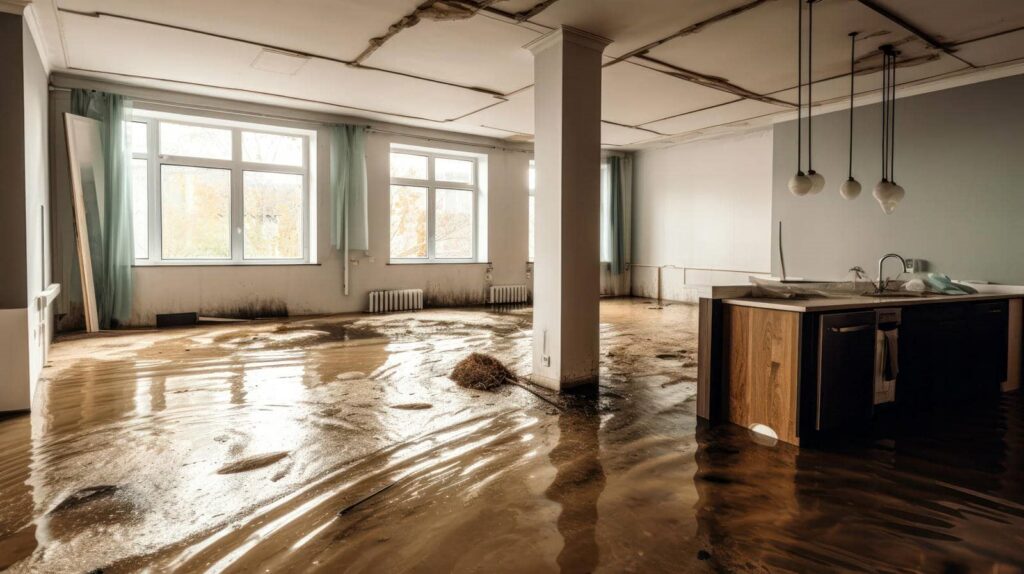
A faint stain can be like a footprint in a quiet room: small, but it tells you something passed through. When you spot bubbling paint, sagging drywall, soft floor sections, or yellowing near pipes, you’re likely seeing hidden water damage at work. You can’t always trust an old mark to be harmless, and some clues point to leaks behind walls or above ceilings that need closer inspection before they turn into mold or structural trouble.
Key Takeaways
- Soft drywall, warped baseboards, or sagging ceilings often indicate hidden moisture behind surfaces.
- Bubbling paint, peeling wallpaper, and dark stains can signal active water intrusion.
- Musty odors, damp carpet edges, and cool or spongy spots suggest ongoing hidden damage.
- Warped flooring, lifted seams, and cracked grout often reveal moisture in subfloors or underlayment.
- Fuzzy, spreading stains that return after cleaning usually mean the leak is still active.
Common Signs of Hidden Water Damage
Even when water damage stays out of sight, it usually leaves clear warning signs if you know where to look. You may notice soft drywall, warped baseboards, bubbling paint, or a faint musty odor that lingers after cleaning.
Darkened ceiling spots, damp carpet edges, and cold, clammy wall sections often point to moisture behind finishes. If you hear dripping inside a wall, see peeling caulk, or find flooring that lifts at the seams, act quickly.
These signs of hidden water damage can spread fast, weakening materials and creating mold-friendly conditions. You’re not overreacting when you inspect early; you’re protecting your home and your peace of mind.
Trust your senses, check problem areas regularly, and call a qualified professional when moisture keeps returning.
How to Tell Water Damage From Old Stains
Old stains often look harmless, but fresh water damage usually feels and behaves differently. You can check the spot with clean fingers: active moisture often feels cool, damp, or slightly soft, while an old stain stays dry and firm.
Watch the edges too. New damage usually has fuzzy borders, darker halos, or a spreading pattern that changes over time. Old stains typically look fixed, faded, and evenly colored.
Smell matters as well; a musty odor can signal ongoing moisture, even when the surface looks stable. If the mark reappears after cleaning, drying, or a brief rain, you’re likely dealing with active water intrusion.
Trust your observations, and don’t second-guess yourself. If the area feels suspicious, you’re not overreacting—you’re protecting your space and the people in it.
Hidden Water Damage in Walls
When you inspect walls, look for staining or discoloration that spreads, since these marks often show moisture moving behind the surface.
You may also see peeling paint or wallpaper, which usually means the wall finish has lost adhesion from trapped dampness.
If a section feels soft, bulges, or warps, you’re likely seeing early structural moisture damage that needs prompt attention.
Wall Stains And Discoloration
Faded patches on a wall often act like quiet warning flags, pointing to moisture trapped behind the surface. You might notice yellow, brown, or gray stains that spread in irregular shapes, often near windows, plumbing lines, or exterior walls.
These marks usually mean water has migrated through drywall, plaster, or insulation and left minerals, rust, or dirt behind. If the discoloration feels damp, darkens after rain, or returns after cleaning, you’re likely dealing with an active leak, not an old blemish.
Check nearby ceilings, baseboards, and outlets for matching signs, then document the area and schedule an inspection.
Catching these stains early helps you protect your home, your peace of mind, and the people who share your space.
Peeling Paint And Wallpaper
If paint starts bubbling, cracking, or lifting at the edges, you may be seeing moisture forcing its way out from behind the wall.
When wallpaper seams curl, separate, or blister, hidden water can be weakening the adhesive layer. You should inspect nearby plumbing, windows, and exterior walls for leaks, because the damage often spreads beyond the visible spot.
Keep the area dry and watch for recurring peeling after you repaint or smooth it down; repeated failure usually means the source is still active.
Your home’s surfaces work as a team, and when one layer changes, it’s worth paying attention. Early action helps you protect the wall finish, limit mold growth, and stay ahead of bigger repairs.
Soft Spots And Warping
Soft paint or wallpaper damage often goes hand in hand with changes in the wall itself. When you press on a suspicious area, you may feel softness, give, or a slight spring under the surface.
Warping can show up as bowed drywall, rippled trim, or joints that no longer stay flush. These changes usually mean moisture has reached the backing material, weakening fibers and fasteners.
You don’t need to panic, but you should act quickly. Check nearby plumbing, windows, and rooflines, then document the affected area and limit further water exposure.
If the spot grows, smells musty, or feels cool and damp, call a qualified inspector or contractor. Early attention helps you protect your home and stay part of a community that values safe, healthy living together.
Ceiling Water Damage Warning Signs
Ceiling water damage often shows up as discoloration, bubbling paint, sagging drywall, or new brown rings that spread after rain or plumbing use.
You might also notice a faint musty odor, hairline cracks near seams, or damp insulation pushing the surface downward. Check around vents, light fixtures, and ceiling corners, since water often travels before it leaves a visible mark.
If you press the area and it feels soft, cool, or spongy, moisture may still be active. Don’t ignore a stain that grows after each storm or shower cycle.
You’re not alone in spotting these early clues; they’re common and fixable when you act quickly. Shut off the source, document the damage, and contact a qualified professional before the ceiling weakens further or mold starts spreading.
Floor Warning Signs You Shouldn’t Ignore
Floor issues often reveal the same kind of hidden moisture that shows up overhead, but the warning signs are easier to miss because they sit under your feet.
Watch for soft spots, spongy sections, or flooring that flexes when you walk across it. You may notice warped boards, lifted vinyl edges, cracked tile grout, or seams that suddenly separate.
These changes often mean water has weakened the subfloor or adhesive layer. If your floor feels uneven or bounces more than usual, don’t shrug it off.
Act quickly so you stay ahead of structural damage and costly repairs. You’re not overreacting by checking after a leak, spill, or appliance failure.
You’re protecting your home and joining the many homeowners who catch damage early, while it’s still manageable.
Musty Odors and Damp Spots
If you notice a musty smell or a damp spot that keeps returning, you may be dealing with hidden moisture behind a wall, under flooring, or around a leak source. You can often detect these signs before visible damage spreads.
The odor usually builds in enclosed areas where moisture lingers, while damp spots may feel cool, slightly soft, or darker than surrounding material. Pay attention after showers, heavy rain, or appliance use.
If the smell intensifies in one room, trace nearby plumbing, exterior walls, and HVAC areas. You’re not overreacting by checking early; quick action can help you avoid larger repairs and feel confident about your home’s condition.
When you find recurring moisture, document it, dry the area, and arrange a professional inspection soon.
Why Paint, Drywall, and Trim Fail
When hidden moisture gets into building materials, paint, drywall, and trim often fail first because they absorb water, swell, and lose adhesion. You’ll notice paint blistering, peeling, or cracking when the substrate shifts and trapped vapor pushes outward.
Drywall may soften, bow, or show paper delamination as the gypsum core loses strength. Trim can cup, gap, or separate at joints because wood fibers expand unevenly.
These failures aren’t just cosmetic; they tell you moisture has been active long enough to change material properties. If you spot these changes early, you can inspect the area, measure moisture, and limit further damage before mold or structural decay spreads.
Acting quickly helps you protect your home and stay confident with the rest of your space.
Leak Clues Around Windows and Pipes
Around windows and pipes, hidden leaks usually leave a trail before they become obvious. You might notice stained caulk, swollen trim, soft drywall corners, or peeling paint along the frame.
On exterior walls, cool drafts paired with dampness can signal water getting past flashing or seals. Near pipes, watch for mineral crust, rust, or a persistent musty odor that returns after cleaning.
You may also see discoloration on nearby flooring or cabinets, especially after showers, sink use, or rain. Don’t ignore small drips or wet rings; they often point to a larger moisture path inside the wall.
When you spot these clues early, you’re protecting your home and joining the group of owners who act fast and prevent costly damage.
How to Check for Damage Without Opening Walls
How can you check for hidden water damage without tearing into the wall? Start with a visual sweep, then trust your tools. You can spot early damage by pairing simple observations with noninvasive checks, and you’re not alone in doing it.
Feel the surface: Press on drywall, trim, and flooring for softness, swelling, or cool spots.
Watch for stains: Track yellowing, browning, peeling paint, or warped seams.
Use a moisture meter: Compare readings on suspect areas with dry nearby surfaces.
Inspect with light: Shine a flashlight across walls and ceilings to reveal ripples, bubbling, or uneven texture.
If readings stay elevated, document them and call a qualified pro. Acting early helps you protect the structure, keep repairs focused, and stay confident about what’s happening behind the finish.
When Water Damage Means Mold
If you notice a persistent musty odor, dark spotting, or peeling materials after a leak, you may be seeing early mold growth rather than simple moisture staining.
You should treat these indicators seriously because damp building materials can support rapid fungal growth and spread spores into your indoor air.
Acting quickly helps you reduce health risks, limit contamination, and prevent the damage from advancing.
Mold Growth Indicators
When water damage lingers, mold can start to show up fast, and you’ll usually notice it first through a musty odor, visible discoloration, or fuzzy growth on damp surfaces.
You’re not alone if you spot these clues; they often point to trapped moisture behind finishes.
Check these indicators:
- Dark spots spreading along drywall seams or baseboards.
- Green, black, or white patches on wood, grout, or carpet backing.
- Peeling paint, stained caulk, or warped trim that stays damp.
- A persistent smell that returns after cleaning.
If you see any of these, treat the area as active moisture damage and inspect nearby materials.
Early action helps you protect your space, your repairs, and the comfort of the people who live there.
Moisture And Health Risks
Those mold indicators matter because trapped moisture doesn’t just damage finishes; it can also affect the air you breathe and the materials hidden behind walls, floors, and ceilings.
When you notice musty odors, stained drywall, or soft flooring, treat them as signs that humidity may be feeding microbial growth. You’re not overreacting by checking for leaks, using a meter, or opening affected areas for inspection.
Mold can irritate your eyes, nose, and throat, especially if you’re sensitive or already managing asthma. You also risk decay in wood, insulation, and subfloors if moisture keeps spreading.
Act quickly, dry the space thoroughly, and replace compromised materials so you can restore a safer, healthier home for everyone living there.
Frequently Asked Questions
How Quickly Can Hidden Water Damage Spread?
It can spread within hours, especially if you don’t stop the source. You’ll often see damage worsen over days, with mold starting in 24–48 hours and structural problems developing after weeks if moisture stays trapped.
Does Insurance Cover Hidden Water Damage Repairs?
It’s a mixed bag: you’ll often get coverage if the damage was sudden and accidental, but not from neglect or wear. You should review your policy, document losses, and call your insurer promptly.
Can Hidden Water Damage Lower My Home’s Value?
Yes, hidden water damage can lower your home’s value because you’ll face buyer concerns, repair costs, and possible mold issues. If you fix it quickly and document repairs, you’ll protect trust and pricing.
When Should I Call a Professional Inspector?
You should call a professional inspector now if you’ve spotted stains, musty odors, warped surfaces, or unexplained moisture. They’ll trace the source, confirm hidden damage, and help you protect your home before problems spread.
How Much Does Hidden Water Damage Restoration Cost?
You’ll typically pay $1,000 to $10,000, depending on damage extent, materials, and mold removal. You can lower costs by acting fast, documenting losses, and hiring a licensed pro who’ll explain each step clearly.
Conclusion
You can catch hidden water damage early if you stay alert to discoloration, bubbling paint, soft drywall, warped boards, and cracked grout. Check around windows, pipes, and trim for leaks, then confirm suspicious spots with a moisture meter or infrared scan before opening walls. If you find mold, act fast. Don’t wait for a bigger repair bill; treating the issue now keeps your home sound and, like a well-tuned chronometer, running smoothly.