

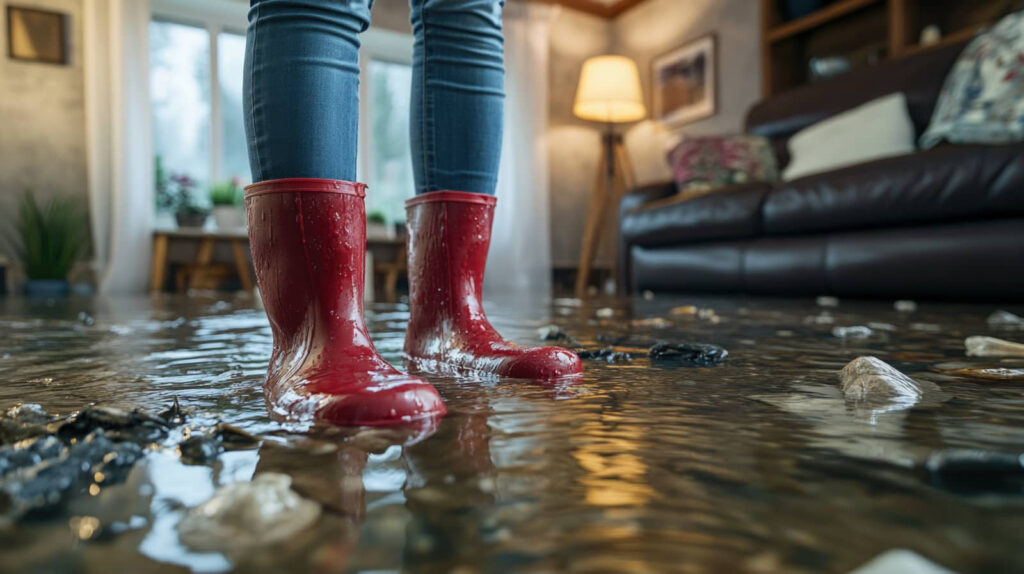
Flood cleanup requires a clear cleanup plan to minimize property damage and prevent further complications. When a storm leaves your basement flooded and your ceiling stained, start by stopping the water source and shutting off power to affected areas if it is safe to do so. Professional flood cleanup includes removing standing water with pumps or extraction equipment, disposing of unsalvageable materials, and thoroughly drying walls, flooring, and hidden cavities. Technicians also monitor moisture levels to identify lingering dampness and help prevent mold growth. A thorough inspection can reveal hidden structural damage and determine whether repairs, material replacement, or more extensive restoration is necessary.
Key Takeaways
- Stop the water source, shut off electricity in wet areas, and mark hazards before entering the cleanup zone.
- Remove standing water with pumps or vacuums, then clear debris and unsalvageable items safely.
- Dry walls, floors, and hidden spaces with air movers, dehumidifiers, and open trim for airflow.
- Clean and sanitize affected surfaces with approved antimicrobial products to reduce contamination.
- Monitor moisture and humidity, discard wet porous materials, and inspect for hidden mold after 24 to 48 hours.
What Flood Cleanup Covers
Flood cleanup covers the removal of standing water, the drying and dehumidification of affected areas, and the cleaning and sanitizing of surfaces, contents, and structural materials.
You use flood cleanup to restore indoor conditions after storm damage and to limit further deterioration. It includes extracting moisture from carpets, drywall, insulation, and framing, then verifying that affected materials reach safe dryness levels.
You also document damaged items, assess what you can salvage, and apply antimicrobial treatment where needed. This process helps your property return to a clean, stable state and supports your team’s recovery efforts.
When you act quickly and follow a structured flood cleanup plan, you protect materials, reduce secondary damage, and move closer to a healthy, usable space.
Stop the Water and Make the Area Safe
Before cleanup begins, you need to stop the source of water and secure the area. Shut off the main supply if a pipe has burst, or close the affected valve when you can isolate the leak.
If stormwater is entering, seal openings only when it’s safe and conditions allow. Turn off electricity to wet rooms at the breaker, but don’t touch standing water near outlets or appliances.
Keep everyone out of unstable spaces, and mark hazards such as slippery flooring, broken glass, and weakened ceilings. If gas, structural, or electrical damage seems possible, contact qualified professionals right away.
You protect your team and keep the site organized when you control risks first. Clear communication, careful entry, and verified safety help everyone work with confidence.
Remove Standing Water and Damaged Materials
Once the area’s safe, you need to remove standing water as quickly as possible and start pulling out damaged materials. Use pumps, wet vacs, or buckets, depending on depth and access.
Work from the lowest point to the exit so you don’t recontaminate cleared areas. As you inspect, remove items that can’t be cleaned or stabilized.
- Saturated carpet and padding
- Swollen drywall and insulation
- Warped baseboards and trim
- Wet particleboard furniture
- Porous items with sewage exposure
Bag debris promptly and separate salvageable materials from losses. Wear gloves, boots, and eye protection, and keep pathways clear for your team.
If you act decisively, you’ll reduce contamination, limit further structural damage, and keep cleanup organized.
Dry Out Walls, Floors, and Hidden Spaces
With standing water removed and damaged materials cleared, you can start drying the structure itself to stop moisture from spreading into walls, floors, and concealed cavities.
Open baseboards, remove trim only where needed, and expose wet framing so airflow reaches trapped moisture. Position high-velocity air movers across floor surfaces and direct them into wall cavities through access points.
Use dehumidifiers to pull vapor from the room, and keep windows closed so conditioned air does the work. Check subfloors, insulation pockets, and cabinet voids with a moisture meter, then adjust equipment based on readings.
You’re not just drying a room; you’re restoring a safe, workable space for everyone who lives or works there. Keep equipment running continuously until materials return to normal moisture levels.
Prevent Mold and Further Damage
As drying progresses, you need to prevent mold growth and secondary damage by keeping humidity low and removing any materials that can’t be fully dried.
Use dehumidifiers, fans, and fresh air to keep surfaces below 60% relative humidity. Inspect baseboards, insulation, and wall cavities for trapped moisture, then discard porous items that stay wet. You’re protecting both structure and health when you act fast.
- Monitor humidity and temperature daily.
- Clean hard surfaces with approved antimicrobial products.
- Bag and remove contaminated drywall, carpet, and padding.
- Separate salvageable items from unsalvageable materials.
- Recheck hidden spaces after 24 to 48 hours.
Frequently Asked Questions
How Long Does Flood Cleanup Usually Take?
Usually, you’ll need a few hours to several days, depending on water volume, drying needs, and damage extent. You should start fast, because prompt cleanup helps you reduce mold, structural issues, and costly delays.
Can I Stay in My Home During Cleanup?
You can stay if cleanup’s minor, utilities work, and crews isolate affected areas. But if there’s contamination, structural damage, or heavy drying equipment, you shouldn’t. You’ll protect yourself by relocating temporarily.
Will Insurance Cover Flood Cleanup Costs?
Usually, your insurance covers flood cleanup if you have the right policy. You’ll need to document damage, report it fast, and follow your insurer’s claim steps. Standard homeowners policies often don’t cover flood losses.
Do I Need Professional Cleanup for Small Floods?
Yes, you do. Even small floods can hide moisture, mold, and structural damage. You can handle minor surface cleanup, but you’ll need professionals if water reached walls, flooring, wiring, or contaminated areas.
How Do I Document Damage for Claims?
You document damage by photographing every affected area, listing item values, saving receipts, and noting dates. You’ll build a clear claim trail like stitching a net, so you can protect your home together.
Wrap-Up
You’ve stopped the surge, stripped the soaked, and secured the space. Now your next steps are simple but essential: dry every wall, floor, and hidden cavity, then inspect, sanitize, and monitor moisture until levels stay low. Don’t rush repairs; lingering dampness invites dangerous mold and deeper damage. With steady, systematic cleanup, you can restore safety, protect your property, and prevent problems from returning. Act fast, stay focused, and finish the flood cleanup right.