

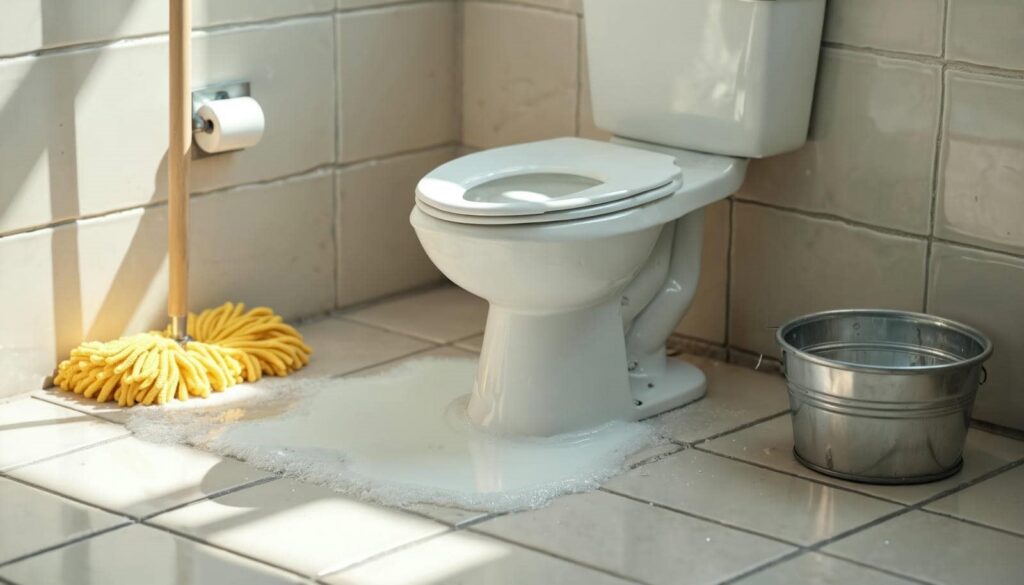
When sewage backs up in your home, you’re dealing with more than a mess—you’re facing a fast-moving contamination problem. The longer you wait, the farther bacteria spread, the deeper moisture soaks into materials, and the higher the risk of mold and structural damage. You need to contain the area, shut off exposure, and remove the waste immediately, because what you can’t see often becomes the most costly part next.
Key Takeaways
- Sewage cleanup should start immediately because black water spreads quickly into floors, walls, and other porous materials.
- Fast action reduces exposure to bacteria, viruses, and parasites that can cause serious illness.
- First, shut off the water source, block the area, and wear protective gloves and boots before entering.
- Remove contaminated water, disinfect all affected surfaces, and dry everything thoroughly to prevent mold growth.
- Call a professional if sewage reaches drywall, insulation, or multiple rooms, or if odors and moisture persist.
What Counts as Sewage Cleanup at Home?
Sewage cleanup at home means removing and sanitizing any area contaminated by wastewater from toilets, drain lines, or backed-up sewer systems, because this type of water can carry dangerous bacteria, viruses, and contaminants.
You’re dealing with sewage water cleanup in home whenever black water touches floors, walls, insulation, furniture, or HVAC components. You also need cleanup when seepage reaches subfloors, baseboards, or adjacent rooms.
The job includes extraction, debris removal, disinfection, and drying of affected materials, plus containment to stop cross-contamination.
If you share the space with family, pets, or neighbors, you need strict control of every touched surface.
In your home, sewage cleanup isn’t mopping; it’s a targeted restoration process that restores safe conditions and protects your household.
Why Sewage Cleanup Can’t Wait
Once sewage has entered your home, every minute raises the risk of contamination spreading into porous materials, hidden cavities, and clean areas.
You need fast action because drywall, carpet, baseboards, and insulation can wick moisture and trap residue deep inside. That makes cleanup harder, extends downtime, and increases the scope of demolition.
If you delay, wastewater can migrate under flooring, behind cabinets, and into wall assemblies where surface wiping won’t reach. You and your household deserve a safe, restored space, and speed keeps the job contained.
Shut off affected areas, limit traffic, and call trained restoration professionals right away. They’ll assess the source, remove contaminated materials, dry structural components, and sanitize the site with the right equipment so your home can move back toward normal.
Health Risks of Sewage in Your Home
Because sewage carries bacteria, viruses, parasites, and other hazardous contaminants, even brief exposure in your home can put you and your family at immediate risk.
You can inhale aerosolized pathogens, absorb toxins through skin, or ingest trace residue on hands, shoes, or surfaces. That exposure can trigger gastrointestinal illness, fever, respiratory irritation, and skin infections, especially in children, older adults, and anyone with a weakened immune system.
Sewage also creates a biologically unstable environment that can worsen symptoms fast if you stay in affected rooms. You need to treat every contaminated surface as unsafe until trained restoration professionals verify sanitation.
When your household acts quickly and decisively, you protect everyone’s health, preserve your home’s safety, and move toward recovery with confidence and support.
Shut Off Water and Seal the Area
Shut off the main water supply immediately to stop additional sewage from entering the area.
Then seal off the contaminated space with plastic sheeting or barriers to restrict access and limit spread.
You’ll need to contain the source and isolate the zone before cleanup can begin.
Stop Water Source
The first priority is to stop the sewage source as quickly as possible by closing the main water supply or the affected fixture’s valve, then sealing off the contaminated area to limit spread.
You should verify that no supply line, toilet, sink, or drain continues feeding the backup. If the water keeps moving, contamination expands fast through flooring, walls, and cavities.
Use a wrench or shutoff key if needed, and confirm the flow has stopped before you proceed. Protect your household by preventing any additional discharge into the room.
This step gives your cleanup team a stable starting point and reduces health risk. Acting fast helps your home community recover together, with less damage, less odor, and fewer costly repairs.
Block Contaminated Area
Once the sewage source is off, you should block the contaminated area right away by sealing doorways, vents, and any open pathways with plastic sheeting and tape to slow the spread of airborne contaminants and tracked waste.
You need to treat every boundary as a control point, because each gap can move bacteria, odor, and moisture into clean rooms. Turn off HVAC if it can circulate air from the affected zone.
Keep children, pets, and roommates out, and post a clear warning so everyone stays aligned with the plan. Wear gloves and boots before entering, and limit traffic to one trained person if possible.
This containment step protects your home’s safe spaces and helps your cleanup crew work faster, with less cross-contamination and fewer health risks overall.
Remove Sewage Water Quickly
You need to remove sewage water immediately to contain contamination and limit pathogen spread.
Use pumps, wet vacs, or other extraction tools to clear standing water fast before it soaks deeper into floors, walls, and subfloors.
Every minute counts, and rapid removal reduces structural damage and shortens the restoration process.
Immediate Containment Steps
Standing water from sewage demands immediate removal to limit contamination, odor, and structural damage. You should isolate the affected area at once, close doors, and keep family members and pets out.
If you can do so safely, shut off the water source feeding the backup and move portable items to a dry zone. Wear gloves, boots, and a respirator rated for biological hazards before you enter.
Use a wet vacuum or pump to extract the liquid into sealed containers, then bag contaminated debris for disposal. Don’t stir the water, and don’t use fans that can spread aerosols.
Keep your team coordinated, move fast, and document what you remove. These containment steps help your household stay safer while you prepare for professional sanitation and restoration.
Preventing Further Damage
Rapid sewage removal is critical because every minute of delay increases contamination, odor absorption, and material saturation. You need to extract standing water fast, then dry affected rooms before waste migrates into subfloors, drywall, and framing.
Shut off HVAC circulation so you don’t spread airborne contaminants through shared spaces. Remove porous items, document damage, and isolate the area with plastic barriers if you can do so safely. You’re protecting your home’s structure and your household’s health by acting now, not later.
Use disinfectants only after gross removal, because chemicals won’t work through sludge. Professional restoration crews can reach hidden moisture, verify sanitation, and stop secondary damage.
When you move quickly, you keep your space safer, faster to restore, and easier for everyone at home to recover from together.
Disinfect Surfaces After Sewage Exposure
After sewage exposure, disinfect all affected surfaces immediately to stop contamination from spreading and to reduce health risks.
You should clean hard, nonporous surfaces with detergent first, then apply a disinfectant labeled for sewage or biohazard cleanup. Follow the contact time exactly; don’t wipe it away early.
Wear gloves, boots, and eye protection, and keep the area ventilated. Replace cloths often so you’re not moving germs from one spot to another.
If you’re handling shared spaces, disinfect high-touch points like handles, switches, and fixtures with extra care. Use separate tools for contaminated zones, and bag disposable items securely.
Dry Out Floors, Walls, and Carpets
Once contaminated surfaces are disinfected, you need to dry floors, walls, and carpets immediately to slow mold growth and limit further damage.
Open windows if conditions allow, run fans, and use dehumidifiers to pull moisture from the air and materials. Lift carpet edges so air can circulate underneath, and remove wet padding if it stays saturated.
For hard floors, keep airflow steady until the surface feels fully dry and no cool damp spots remain. On walls, dry the lower sections first, then continue upward with directed ventilation.
Don’t trap moisture under furniture or rugs. You’re protecting your home’s structure and your household’s comfort when you act fast, stay methodical, and keep every affected area exposed to moving air.
Check for Hidden Damage and Mold
Even when surfaces look dry, sewage can keep damaging what you can’t see, so inspect for hidden moisture, staining, and mold growth right away.
You should check behind baseboards, under cabinets, inside wall cavities, and beneath flooring where contamination often lingers. Use a flashlight and a moisture meter to spot damp insulation, warped materials, and dark patches that signal microbial activity.
If you notice a musty odor, soft drywall, or bubbling paint, treat it as active damage, not a minor flaw. Acting fast helps protect your home’s structure and your household’s health.
- Pull back trim
- Lift corner carpet
- Probe drywall edges
- Mark suspect areas
- Track odor changes
When to Call a Sewage Cleanup Pro
Call a sewage cleanup pro immediately if the spill involves Category 3 water, spreads beyond a small isolated area, or has soaked into drywall, insulation, subflooring, or HVAC components.
You shouldn’t try to manage these conditions alone, because sewage carries pathogens and can migrate into hidden cavities fast.
Call a pro when you smell persistent odor, see discoloration, or can’t verify complete drying within 24 hours.
You also need help if the backup came from a main line, toilet overflow, or floodwater mix.
A certified team will isolate the area, remove contaminated materials, disinfect surfaces, and verify moisture levels.
That protects your home and helps you get back to a safe, trusted space with your household.
Frequently Asked Questions
Can Sewage Cleanup Affect My Homeowner’s Insurance Claim?
Yes, you can protect your homeowner’s claim if you document damage, report it fast, and use licensed cleanup. Delays, unsafe cleanup, or missed mitigation can weaken coverage and raise scrutiny from your insurer.
How Long Does Sewage Smell Linger After Cleanup?
You’ll usually notice sewage odor for hours to days after cleanup, depending on contamination, ventilation, and hidden residue. You should act fast, because lingering bacteria can keep releasing odor until you fully sanitize and dry everything.
Is It Safe to Stay in the House During Cleanup?
No—you shouldn’t stay. Like a fire drill, you need to leave fast: sewage can aerosolize pathogens within minutes. You’ll protect your household better by evacuating, isolating the area, and letting professionals handle remediation.
Which Personal Items Usually Need to Be Discarded?
You’ll usually discard porous items like carpets, mattresses, upholstered furniture, pillows, paper records, cardboard, and contaminated clothing. You should also toss sealed food, cosmetics, and anything soaked through; you can’t fully sanitize them.
Can Sewage Backup Happen Again After Repairs?
Yes, it can happen again if you haven’t fixed the root cause. You should inspect lines, vents, roots, and backflow devices, then restore damaged sections and schedule preventive maintenance to protect your home.
Wrap-Up
When sewage enters your home, you need to act fast. The first 24 to 48 hours are critical because bacteria and viruses spread quickly, and porous materials can absorb contamination. Shut off the source, isolate the area, and remove the water immediately. Then disinfect, dry, and inspect for hidden damage or mold. If the spill is large or has reached walls or subfloors, call a sewage cleanup pro right away to limit health risks.