

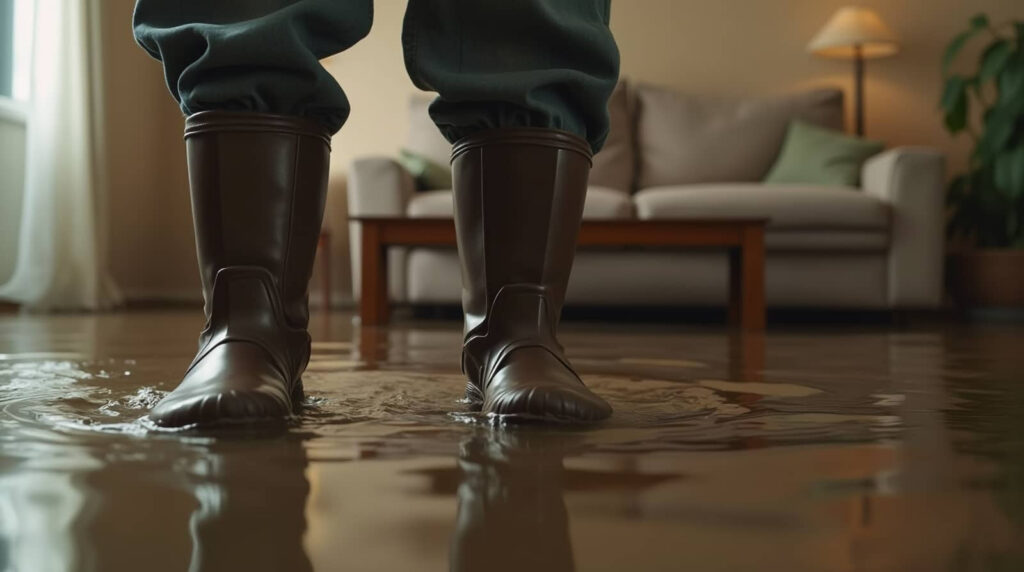
A flooded house can shift from damage to mold in hours, so your first moves matter. You shut off power if it’s safe, document every affected area, and start removing standing water and debris. Then you dry the structure fast, sort salvageable items from waste, and watch for hidden moisture, odors, or electrical hazards that may require professional cleanup.
Key Takeaways
- Document all damage immediately with photos, notes, and an item inventory for insurance claims.
- Shut off water and electricity, then wear protective gear before entering the flooded area.
- Remove standing water and debris quickly using pumps, wet vacs, buckets, and heavy-duty bags.
- Dry and clean salvageable items with fans, dehumidifiers, detergent, and approved disinfectants.
- Check for hidden mold, warped materials, or structural damage, and call professionals if needed.
What to Do First After Flood Damage?
After flood damage, you should act quickly to stop further deterioration and begin cleanup. First, document visible damage with photos and notes so you can track losses and support claims.
Next, remove wet rugs, loose items, and saturated debris to reduce moisture retention. Open windows if weather allows, then run dehumidifiers and fans to accelerate drying across floors, walls, and furnishings.
Inspect hidden areas, including closets, baseboards, and under cabinets, because trapped water can spread decay and mold. Sort materials into salvageable and unsalvageable groups, and isolate contaminated contents.
During flooded house cleanup, keep surfaces clean and dry, and prioritize porous materials that absorb water fast. You’re protecting your home’s structure, preserving indoor air quality, and helping your household recover with confidence.
Stop the Water and Stay Safe
Shut off the water source as soon as it’s safe to do so to limit further flooding and reduce pressure on the structure. If you can reach the main valve without entering standing water, close it immediately.
Next, cut electricity to affected areas at the breaker if you can do it from a dry location; never touch wet switches or appliances.
Wear rubber-soled boots, gloves, and eye protection before you step into the area, and watch for slippery floors, sharp debris, and sagging ceilings.
If you smell gas, leave at once and call emergency services.
Keep children and pets out of the room so you can work with a clear path. Staying calm and acting methodically helps you protect your home and keep your cleanup team safe.
Document Flood Damage for Insurance
Before you move or discard anything, document the flood damage thoroughly for your insurance claim.
Take wide-angle photos of each affected room, then capture close-ups of damaged flooring, walls, baseboards, furniture, and personal items. Record water lines, stains, warped materials, and visible mold risk.
Create a simple inventory that lists each item, its location, approximate age, purchase price, and condition before the loss. Save receipts, warranties, and repair estimates in one secure folder.
Note the date, time, weather event, and when you first noticed the damage. If possible, keep a brief video walkthrough with narration.
Share these records with your adjuster promptly, and keep copies for your own file. Careful documentation strengthens your claim and helps your household stay organized together.
Remove Standing Water and Debris
With your photos, notes, and inventory saved, you can begin removing standing water and debris to limit further damage.
Start by shutting off electricity to affected areas, then use pumps, wet vacuums, buckets, or mops to extract water from floors, basements, and low spots. Work from the edges toward the center so you don’t spread sediment.
Wear gloves, boots, and eye protection, and keep pathways clear for safe movement. Collect mud, broken materials, food waste, and damaged contents into heavy-duty bags or bins.
Separate salvageable items from unsalvageable ones, and move them to a clean staging area. If water is contaminated, avoid direct contact and dispose of debris according to local rules.
You’re not doing this alone; organized cleanup helps protect your home and your team.
Dry the House Before Mold Grows
You need to remove moisture quickly after a flood because rapid drying limits mold growth and secondary damage.
Increase air circulation with fans, dehumidifiers, and open pathways so damp materials dry evenly and efficiently.
Inspect concealed spaces for hidden dampness, since trapped moisture can persist long after surfaces look dry.
Rapid Moisture Removal
Speed matters when drying a flooded house, because lingering moisture can quickly lead to mold growth, warped materials, and deeper structural damage.
You need to remove standing water first, then reduce moisture trapped in carpets, subfloors, drywall, and insulation. Use extraction equipment, clean towels, and wet vacuums to pull water from affected surfaces before it spreads farther.
Check hidden areas like baseboards, closets, and cabinet bottoms, since trapped dampness often stays there. You’ll protect your home best when you keep working until materials feel dry to the touch and measured moisture levels return near normal.
Acting fast helps you stay ahead of secondary damage and keeps your cleanup team aligned on the same goal: restoring a safe, stable living space for everyone in your home.
Improve Air Circulation
Once standing water is gone, improve air circulation to move humid air out of the house and speed the drying process before mold can take hold.
You should open windows and interior doors when weather allows, then place fans to create steady crossflow through each room. Aim airflow across wet surfaces, not directly into corners, so moisture leaves materials faster.
If you’re using HVAC, keep filters clean and set the system to circulate air without recirculating excess moisture. You’ll dry the space more efficiently when air can move freely around walls, floors, and furnishings.
Coordinate fan placement with your cleanup team so everyone works from the same drying plan. Strong circulation helps you regain control, reduces odor, and supports a safer return to normal use.
Prevent Hidden Dampness
Even after visible water is gone, hidden dampness can remain inside walls, under flooring, and behind baseboards, creating ideal conditions for mold growth.
You need to verify dryness with a moisture meter, not just by touch, because trapped water can linger in cavities and insulation.
Remove wet trim, lift flooring if needed, and expose enclosed spaces so air can reach them. Use dehumidifiers and targeted fans to pull moisture out fast.
Check these areas closely:
- Wall bottoms near the floor
- Carpet pads and subfloor seams
- Cabinet backs and closet corners
When you stay methodical, you protect the home you belong in and reduce the risk of structural damage, odor, and microbial contamination.
Dry every hidden surface completely before rebuilding.
Clean and Disinfect Flooded Surfaces
You should clean flooded surfaces with detergent and water first, removing all visible mud, debris, and residue before anything dries.
After cleaning, you’ll need to disinfect hard, nonporous materials with an approved solution to reduce microbial contamination.
Then you can sanitize surfaces that contact food or skin, following the product’s contact time and label instructions exactly.
Surface Cleaning Steps
After the water is gone, clean all hard surfaces with soap and water to remove mud, silt, and residue. Then disinfect them with an appropriate bleach solution or other EPA-registered disinfectant.
You’ll work from the top down and from the cleanest area toward the most contaminated, so you don’t spread debris. Wear gloves, eye protection, and sturdy shoes while you scrub. Use a bucket, brush, and clean cloths to lift grime from counters, floors, and fixtures.
- Clear the surface.
- Wash with detergent.
- Rinse and dry.
Replace cloths when they soil, and keep airflow moving to speed surface drying. If a finish starts to lift, stop and note it for repair.
Working methodically helps your home recover, and you’re not handling it alone.
Disinfection And Sanitizing
Once the hard surfaces are washed and rinsed, disinfect them to reduce the risk of mold, bacteria, and other contaminants left behind by floodwater. You should apply an EPA-registered disinfectant that’s rated for flood cleanup and follow the label’s contact time exactly.
Keep the area ventilated, wear gloves, eye protection, and a mask, and never mix chemicals. Use clean cloths or mops so you don’t reintroduce debris.
After disinfecting, sanitize high-touch surfaces such as counters, switches, and doorknobs with a separate product if the label calls for it. Let all surfaces dry fully before you replace contents. This step helps your home feel safe again and supports everyone working with you.
If materials stayed wet for more than 48 hours, remove porous items instead of cleaning them.
Salvage What You Can
Start by separating salvageable items from materials that need disposal, since quick triage limits ongoing damage and reduces the spread of contamination. You can protect recoverable belongings by moving them to a clean, dry staging area and documenting each piece before handling it further.
Work methodically so you and your team stay organized and confident.
- Lift books, textiles, and papers onto shelving or pallets.
- Remove cushions, curtains, and small fixtures for faster drying.
- Place electronics and tools on labeled towels for inspection.
Use gloves and clean containers to avoid recontamination. If items stay structurally sound and dryable, preserve them now; you’ll strengthen the recovery effort for everyone in the home.
Throw Out Unsalvageable Materials
Discard unsalvageable materials promptly to limit structural deterioration and contamination. You should remove saturated drywall, warped insulation, swollen particleboard, and carpet padding that can’t be restored.
Place these items in heavy-duty bags or sealed containers, then move them out through a clear path to reduce tracking debris through the house. If local rules require separation, sort construction waste, textiles, and household contents before disposal.
Wear gloves, boots, and a respirator when handling sharp or contaminated debris. You’ll protect the remaining structure by keeping damaged materials from holding moisture against framing and subfloors.
Work methodically, document discarded items for insurance, and keep your cleanup team aligned on what stays and what goes. Fast, disciplined removal helps your home recover with less loss.
Spot Mold, Odors, and Hidden Damage
After removing unsalvageable materials, inspect the remaining structure for mold, persistent odors, and concealed water damage. You’ll notice issues fastest in dark corners, behind trim, and under flooring.
Look for:
- Fuzzy growth on drywall, wood, or insulation.
- A musty, sour smell that lingers after drying.
- Stains, warping, or soft spots around baseboards and seams.
Use steady lighting and your nose together; hidden moisture often leaves visible rings or swollen joints.
Check closets, cabinet backs, and wall cavities near wet zones. If surfaces feel cool, damp, or spongy, moisture may still be trapped.
Record what you find so you can track progress and keep your cleanup organized. When you spot these warning signs early, you protect your home and stay aligned with a community that values safe, thorough recovery.
Call Flood Cleanup Professionals When Needed
When flood damage affects structural materials, electrical systems, or contaminated water, you should call flood cleanup professionals for a formal damage assessment.
They can identify hidden hazards, determine the correct drying strategy, and remove water with specialized equipment.
This approach helps you limit secondary damage and restore the home safely and efficiently.
Professional Damage Assessment
If the flooding reached walls, flooring, insulation, electrical systems, or HVAC components, you should get a professional damage assessment right away. You’re not overreacting; you’re protecting your space and the people in it. A certified inspector can identify hidden structural compromise, moisture migration, and safety hazards that aren’t obvious at a glance.
- Damp drywall that feels soft behind paint
- Warped baseboards and buckled flooring lines
- Discolored vents, outlets, or wall cavities
During the assessment, expect moisture readings, visual documentation, and material-by-material findings. You’ll get a clear scope that helps you act with confidence and stay aligned with your cleanup team.
This step also supports insurance documentation and reduces the risk of missed damage. When you bring in professionals, you’re making a precise, informed choice for your home.
Expert Water Removal
Once the damage assessment identifies standing water, saturated materials, or moisture trapped in hidden cavities, expert water removal becomes the next priority.
You need powerful extraction equipment to pull water from floors, carpets, wall cavities, and subflooring before it spreads further. Technicians may use truck-mounted vacuums, submersible pumps, weighted extractors, and specialized tools to reach confined spaces.
This rapid response helps limit swelling, microbial growth, and structural deterioration. You’ll also benefit from controlled demolition when materials can’t be saved.
If the water level is high, contamination is suspected, or hidden damage keeps appearing, call flood cleanup professionals immediately.
You’re not handling this alone; trained crews know how to restore safe conditions, protect the building, and keep your home community strong.
Frequently Asked Questions
How Long Does Flood Insurance Claim Approval Usually Take?
Flood insurance claim approval usually takes 30 to 60 days, though you’ll often see quicker decisions if you submit complete documentation promptly, cooperate with adjusters, and respond fast to requests for extra information.
Will My Homeowners Policy Cover Basement Flooding?
It depends on your policy, but you’re often covered for sudden, accidental water damage, not groundwater seepage or poor maintenance. You should review exclusions, endorsements, and deductible terms, then file promptly with documentation.
Can I Stay in My Home During Minor Flood Cleanup?
Yes, you can stay if damage is minor and utilities are safe; however, mold can begin within 24 to 48 hours, so you’ll need fast drying, ventilation, and professional cleanup to protect your home.
How Do I Prevent Future Flooding From Happening?
You can prevent future flooding by sealing foundation cracks, cleaning gutters, extending downspouts, installing sump pumps, testing backflow valves, and maintaining appliances. You’ll reduce risk when you inspect regularly and act before water rises.
What Permits Are Needed for Major Water Damage Repairs?
You’ll usually need building, electrical, plumbing, and mechanical permits for major water damage repairs; your local authority may also require floodplain, demolition, or mold remediation approval. Permits act like guardrails, helping you rebuild safely and legally.
Summary
You’ve stopped the source, secured the space, and started smart restoration. Now you can document damage, drain standing water, dry surfaces, and disinfect salvageable items before mold moves in. Keep inspecting for hidden harm, stubborn odors, and structural stress. If wiring, framing, or flooring looks compromised, call trained flood cleanup professionals right away. With swift, systematic, and safety-first steps, you’ll limit loss, protect health, and speed the return to a safe, sound home.