

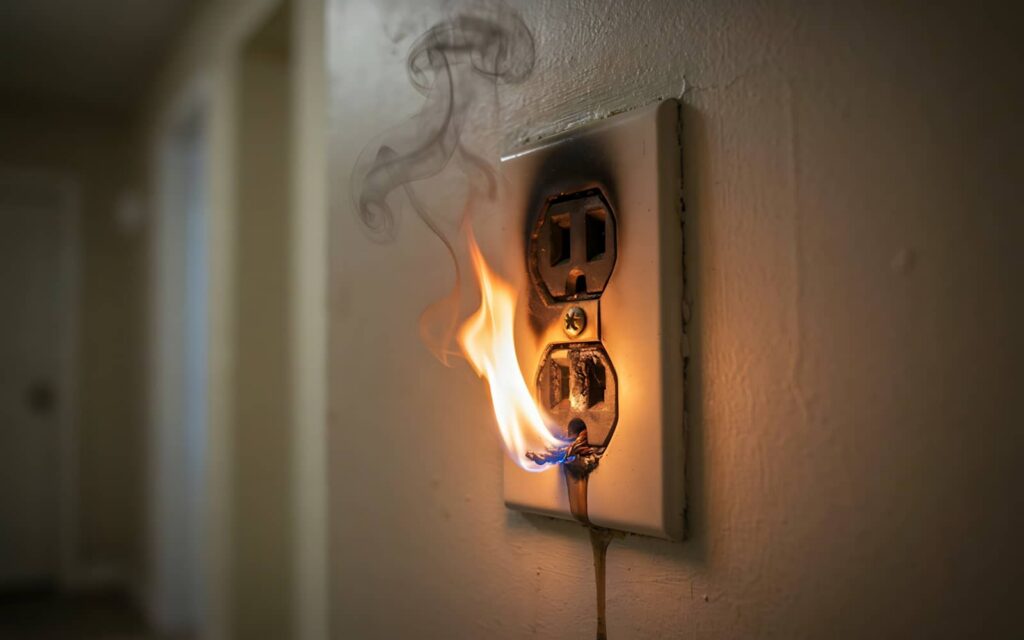
If you’re dealing with fire smoke odor indoors, you already know the smell can linger long after visible damage is gone. You need to target not just surfaces, but porous materials, hidden cavities, and airborne residue that keep releasing odor. The real challenge is choosing the right sequence of cleaning, filtration, and deodorizing so the smell doesn’t return. What actually works depends on where the smoke settled and how deep it проник?
Key Takeaways
- Smoke odor comes from soot and volatile compounds that settle into porous materials and hidden spaces after a fire.
- Clean hard surfaces, fabrics, carpets, and HVAC components quickly to remove residues before odors and staining become permanent.
- Use HEPA vacuuming, detergent cleaning, odor-neutralizing additives, activated carbon, or baking soda to reduce lingering smoke smells.
- Deep cleaning and professional treatments like thermal fogging or hydroxyl generation remove odor sources better than surface deodorizing.
- Improve air quality with air scrubbers, controlled ventilation, and filter replacement, while sealing hidden contamination to prevent odor return.
What Causes Smoke Odor Indoors?
Smoke odor indoors comes from fine soot particles and volatile compounds that linger in porous materials after a fire. You’ll notice these residues in drywall, carpet, upholstery, insulation, and HVAC ducts, where they bind to fibers and surfaces.
Heat can drive microscopic particles deeper into cracks, and cooling lets them settle again as a persistent smell. You may also detect incomplete combustion byproducts from plastics, wood, or fabrics, each leaving a distinct odor profile.
During fire smoke odor removal, you need to identify all contaminated zones, because hidden deposits keep releasing odor over time. Air movement can spread these compounds room to room, so your cleaning plan must include the entire structure, not just visible damage.
Why Smoke Odor Removal Matters
Odor control matters because lingering smoke residues can keep damaging a property long after the flames are out. You need removal to protect indoor air quality, preserve finishes, and reduce ongoing material degradation.
Smoke compounds bond to fabrics, drywall, and HVAC components, so untreated odors can signal contamination that won’t clear on its own. When you address them early, you limit secondary staining, corrosion, and repeated discomfort for everyone inside.
You also create a space that feels safe, stable, and ready to use again, which helps you and your household or team regain normal routines. Proper treatment isn’t just about masking smells; it’s about restoring a clean baseline.
That’s how you move forward with confidence and feel at home again.
How Smoke Odor Spreads Through a Property
When smoke enters your property, it travels with airflow, pressure changes, and thermal currents, carrying fine particles into adjacent rooms.
It also moves through hidden paths such as wall cavities, ductwork, and gaps around fixtures, which lets odor persist after visible soot is removed.
Porous materials like drywall, insulation, fabric, and wood absorb these compounds, so the smell can remain embedded until you treat the affected surfaces.
Smoke Particle Movement
After a fire, microscopic soot and smoke particles can drift far beyond the burn area, settling into walls, insulation, HVAC components, fabrics, and other porous materials.
You’ll see odor spread as these particles stay airborne, then attach to cooler surfaces by electrostatic attraction and condensation. Air currents from fans, leaks, and pressure changes move them room to room, so the smell can linger even when visible damage seems limited.
If humidity rises, particles absorb moisture and release stronger odor compounds.
When you understand this movement, you can target cleanup with more accuracy and protect your indoor space. That method helps you restore a cleaner environment and feel confident in the air you breathe again.
Hidden Odor Paths
Smoke odor often follows hidden pathways that you can’t see at a glance. You’ll find it moving through wall cavities, ceiling voids, HVAC ducts, return air chases, plumbing penetrations, and gaps around trim.
These routes let airborne residues travel beyond the fire room and settle in connected spaces. You should inspect pressure differences, because fans, open windows, and running systems can pull odor deeper into the structure. Closed doors don’t stop migration if there’s a shared air route.
To stay ahead of the spread, map the building as one connected system, not separate rooms. When you identify each pathway, you can target containment and ventilation with confidence, protect the rest of your space, and restore the indoor environment your household or team can belong to again.
Porous Material Absorption
Porous materials absorb smoke residue and odor because their internal structure traps fine particles and volatile compounds.
You’ll notice this in drywall, carpet, insulation, upholstery, and wood trim, where microscopic voids retain contaminants after the visible soot is gone.
As the material warms or humidity rises, those trapped compounds can re-release, so the smell keeps returning.
To stop that cycle, you need targeted assessment, then controlled cleaning, sealing, or removal based on saturation depth.
You can’t rely on surface wiping alone, because odor has migrated below the finish layer.
When you address each porous component methodically, you reduce hidden reservoirs and restore a healthier indoor environment for everyone in the home.
Where Smoke Damage Hides
Even when visible soot is limited, smoke damage often settles in hidden spaces and continues to release odor over time. You may notice the smell strongest in wall cavities, attic insulation, ductwork, and under flooring, where air movement carries fine residue.
Cabinets, drawer joints, electrical boxes, and the backs of furniture also trap particles that you don’t see during a quick inspection. Smoke can settle into textiles, foam padding, and ceiling voids, then off-gas slowly as temperatures change.
If you belong to a household dealing with loss, this hidden contamination can feel isolating. A methodical survey helps you identify every impacted layer, including gaps around trim, vents, and utility penetrations.
Careful mapping of these zones gives you a clear picture of where the odor is anchored and why it persists.
Effective Smoke Odor Removal Methods
Once you’ve identified where odor is lingering, the next step is to treat each affected material with methods matched to the contamination level.
You should wash hard surfaces with a detergent solution, then rinse and dry them fully.
Launder washable fabrics with an odor-neutralizing additive, and repeat if residue remains.
For porous items, use a HEPA vacuum first, then apply an odor counteractant designed for smoke particles.
Replace HVAC filters and run the system to circulate clean air through occupied areas.
Set out activated carbon or baking soda in enclosed spaces to absorb residual compounds.
If smoke has reached hidden cavities, use controlled ventilation to move contaminated air out.
These steps help you restore a cleaner, more comfortable indoor environment.
When DIY Smoke Odor Fixes Fall Short
If you’ve cleaned visible soot and the smoke odor still returns, hidden smoke residue is likely embedded in porous materials, cavities, or HVAC pathways.
You may also have lingering odor sources in insulation, drywall, upholstery, and ductwork that simple surface cleaning can’t reach.
In those cases, professional treatment methods use targeted extraction, sealing, and deodorization to address the contamination at its source.
Hidden Smoke Residue
Smoke residue can hide in porous materials, wall cavities, insulation, ductwork, and other concealed spaces long after the visible soot is gone.
You may clean surfaces and still leave embedded particles behind, because smoke aerosols penetrate deeper than standard wiping reaches. In these hidden zones, residue clings to fibers, joints, and framing, so routine DIY methods can’t fully remove it.
You need targeted inspection, controlled access, and proper extraction to verify what’s trapped out of sight. When you treat these concealed areas methodically, you protect the indoor environment your household shares and help everyone feel settled again.
Professional assessment also limits guesswork, so you can focus on restoring a space that feels clean, safe, and ready to belong to you again.
Lingering Odor Sources
Even after visible soot is gone, lingering odor can persist because smoke compounds absorb into porous materials, settle inside HVAC pathways, and collect in hidden voids where surface cleaning can’t reach.
You may scrub walls and still smell smoke because drywall, insulation, carpet pad, drapes, and upholstery trap volatile residues deep in their fibers.
Seams, trim cavities, cabinet interiors, and duct joints also hold odor molecules that release slowly as temperatures rise.
If you’ve cleaned only exposed surfaces, you’re treating symptoms, not sources.
Moisture can intensify the issue by reactivating residues and spreading them through adjacent rooms.
In a shared home or workplace, that persistent smell can make your space feel less welcoming, even when it looks restored.
Professional Treatment Methods
When DIY cleaning can’t fully neutralize odor, professionals use a structured treatment plan to target both visible contamination and hidden residue.
You’ll see technicians assess soot load, material porosity, and airflow paths before selecting methods. They may use HEPA vacuuming, alkaline or solvent-based cleaning, thermal fogging, hydroxyl generation, and ozone only when conditions permit.
Each step aims to break odor molecules, not just mask them. You also get moisture control, because damp materials hold smoke compounds longer.
Crews often treat HVAC systems, insulation, and hidden cavities to stop recontamination.
With this methodical process, you join a cleaner, safer indoor space where the air feels restored and familiar again.
Why Deep Cleaning Beats Surface Deodorizing
Deep cleaning removes the soot, ash, and oily residues that carry smoke odor, while surface deodorizing only masks or temporarily shifts the smell.
You need that contamination physically extracted from fibers, paint, trim, and hard surfaces because odor molecules keep off-gassing until the source is gone.
You’ll get better results when you wash, wipe, HEPA-vacuum, and detail each affected area with the right chemistry for the material.
This method also lowers the chance of recontamination, so your space feels stable instead of freshly covered up.
When you choose deep cleaning, you’re joining a process that targets the cause, not the symptom.
That precision helps your property smell cleaner, look restored, and support a healthier indoor environment for everyone who enters.
Air Scrubbing and Ventilation After Smoke
Air scrubbing pulls smoke particles and lingering odor compounds out of the indoor air so they can’t keep settling back onto cleaned surfaces.
You’ll get the best results when you pair HEPA and activated carbon filtration with controlled ventilation, because one process captures airborne residue while the other replaces contaminated air with fresh air.
Run air scrubbers continuously in the affected zone.
Keep doors and windows closed to create a directed airflow.
Exhaust indoor air only when outdoor conditions stay dry and safe.
Monitor odor reduction and filter loading each day.
This method helps you protect the space, support faster recovery, and feel confident you’re making steady progress with the rest of your smoke odor removal plan.
Smoke Odor Removal by Material
Smoke odor removal works best when you match the treatment to the material, because porous surfaces, semi-porous finishes, and nonporous items hold soot and odor compounds in different ways.
On drywall, upholstery, and carpet, you should use targeted cleaning, HEPA vacuuming, and approved deodorizing agents that can reach fibers and pores.
Wood trim, cabinets, and painted surfaces need careful degreasing, mild abrasion only when safe, and sealing if staining persists.
Glass, metal, and sealed tile usually respond to detergent wiping and neutral rinsing because odors sit on the surface.
You’ll get better results when you identify each material first and choose a compatible method, so you’re working with your space instead of against it.
How to Keep Smoke Odors From Coming Back
To keep smoke odors from returning, you need to seal any hidden smoke sources in wall cavities, attics, subfloors, and porous materials.
You should also maintain clean air systems by replacing filters, cleaning ductwork, and removing residue from HVAC components.
If you leave either source untreated, odor compounds can recirculate and recontaminate the space.
Seal Hidden Smoke Sources
Even after visible soot is removed, hidden smoke residue can keep releasing odor if you don’t seal the right surfaces. You need to isolate porous materials, trim off-gassing, and lock contaminants in place so your space feels truly restored.
Follow this method:
- Inspect drywall, wood trim, insulation, and subfloors for staining or tacky residue.
- Clean and dry each surface completely before applying any sealer.
- Use a smoke-blocking primer on porous, repaired, or stained areas.
- Recoat according to label coverage so you create a continuous barrier.
When you seal correctly, you reduce odor rebound and protect the work you’ve already done. That gives you a cleaner, steadier indoor environment and helps everyone in the space feel confident returning home.
Maintain Clean Air Systems
After you seal hidden smoke sources, keep odors from reappearing by controlling the air systems that move contamination through the building.
Replace HVAC filters on schedule, and choose high-efficiency media that capture fine soot.
Inspect supply and return ducts for residue, then clean them with equipment rated for particulate removal.
If smoke reached the blower, coil, or drip pan, service those components before restarting full circulation.
Run portable air cleaners in occupied rooms to reduce airborne particles during recovery.
Verify that exhaust fans vent outdoors and that dampers close properly, so contaminated air doesn’t recirculate.
When you maintain these systems, you protect the clean environment you’ve worked for and help your household feel settled again.
Coordinate with qualified professionals when contamination is extensive or persistent.
Frequently Asked Questions
How Long Does Smoke Odor Removal Usually Take?
You’ll usually need several hours to a few days, depending on smoke severity, materials, and ventilation. You’ll see faster results with thorough cleaning, but stubborn odors can require repeated treatment and professional equipment.
Can Smoke Odor Return After Cleaning?
Yes, smoke odor can return if hidden soot lingers, like embers under ash. You’ll need thorough cleaning, sealing, and ventilation; otherwise, trapped particles can off-gas later and reintroduce odors into your space.
Is Smoke Odor Harmful to Indoor Air Quality?
Yes, smoke odor can harm your indoor air quality because you’re breathing lingering particulates and volatile compounds. You’ll need thorough source removal, filtration, and surface treatment to reduce irritants and restore healthier air.
Will HVAC Systems Spread Smoke Smells?
Yes—your HVAC can spread smoke smells, like a fan pushing ink through water. You’ll need to shut it down, replace filters, and clean ductwork; otherwise, odors recirculate and cling to surfaces, lingering longer.
Do All Fire Odors Need Professional Treatment?
No, not all fire odors need professional treatment, but you should treat lingering smoke carefully. You can clean minor odors yourself; persistent smells in porous materials usually need specialized deodorization to restore your space fully.
Conclusion
You can reclaim a cleaner indoor space by treating smoke odor at its source, not just masking it. When you clean porous materials, scrub hidden residues, and keep air moving through proper filtration, you stop odor from lingering like an unwelcome ghost. With thorough drying, sealing, and ongoing ventilation, you’ll protect your property from recurring smoke contamination and restore healthier air. In the end, disciplined remediation helps you breathe easier and live better.