
Key Takeaways
- Evacuate safely, call emergency services, document damage, and contact a kitchen fire restoration team immediately.
- Limit smoke and soot spread by closing doors, turning off HVAC, and avoiding movement through the affected area.
- Inspect cabinets, walls, and appliances for warping, cracking, or swelling before cleaning damaged surfaces.
- Remove soot with a HEPA vacuum or dry sponge, then wash surfaces with mild alkaline cleaner and dry thoroughly.
- Ventilate the kitchen, replace HVAC filters, and address lingering odors with professional treatment if needed.
What to Do After a Kitchen Fire
After a kitchen fire, your first priority is safety: make sure everyone is out, call emergency services if needed, and don’t re-enter until officials say it’s safe.
Once you’re clear to go inside, document visible damage with photos for your insurance claim and contact a trusted kitchen fire damage restoration team right away.
You should also shut off utilities if responders haven’t already, then avoid touching scorched appliances, walls, or cabinets until a technician evaluates them.
Ventilate only if authorities allow it. Keep family members and pets away from the area so you can work together without added risk.
Acting quickly helps limit secondary damage and sets you up for a smoother cleanup. You’ve got support, and the right steps now make recovery more manageable.
Stop Smoke and Soot From Spreading
Once it’s safe to re-enter, stop smoke and soot from spreading by limiting airflow and movement through the kitchen.
Close doors to nearby rooms, turn off fans and HVAC if you can do so safely, and keep windows controlled so soot doesn’t circulate.
Walk through the space only when necessary, and avoid brushing surfaces, which can release fine particles back into the air.
Wear disposable gloves and a mask if available, so you protect yourself while you stabilize the area.
Place clean towels or plastic sheeting at thresholds to help contain residue.
If you have a HEPA air purifier, run it nearby to capture airborne soot.
These steps help you take charge, reduce secondary damage, and support a cleaner restoration path for your home and household.
Inspect Cabinets, Walls, and Appliances for Damage
With the area stabilized, inspect the cabinets, walls, and appliances for visible fire damage, heat warping, and soot staining. You’ll want to check each surface for blistered finishes, softened laminate, cracked drywall, and discolored trim.
Open cabinet doors and drawers to confirm they move freely and haven’t swelled from heat or moisture. Examine appliance housings, controls, and seals for melted parts, broken wiring, or warped panels.
Take clear photos and note anything that feels unstable or smells sharply burned; this helps you track what needs repair. If a cabinet feels loose or a wall shows buckling, don’t force it.
You’re not alone in this process—careful inspection gives you a solid plan and helps your kitchen recovery move forward safely, step by step, together.
Clean Kitchen Fire Soot and Grease
Before you start wiping surfaces, remove loose soot with a HEPA vacuum or a soft dry sponge so you don’t grind oily residue into cabinets, walls, or appliances.
Then wash each area with a mild alkaline cleaner and warm water, working from top to bottom with clean microfiber cloths. Rinse often so you’re not spreading grime back onto the surface.
Use these steps:
- Test a small hidden spot first.
- Change cloths when they turn black.
- Clean vent hoods, handles, and trim last.
- Dry surfaces completely to limit streaking.
If residue stays tacky, repeat the process with fresh solution rather than scrubbing harder.
You’re restoring a safe, familiar kitchen, and steady method gives you the best finish.
Remove Smoke Odors From the Kitchen
Smoke odors in your kitchen usually come from soot particles, burned food residues, and smoke that has settled into porous surfaces like cabinets, walls, and fabrics.
You’ll need to address both the source and the trapped odor by cleaning affected surfaces, ventilating the space, and using odor removal methods such as HEPA filtration, deodorizing agents, or professional treatment.
With the right approach, you can restore the kitchen’s air quality and prevent lingering fire smells from returning.
Smoke Odor Sources
Although the fire may be out, lingering odors can still spread through the kitchen and nearby rooms. You’re dealing with smoke odor sources that often hide in plain sight:
- Soot on cabinets, walls, and trim, where fine particles cling to porous finishes.
- Grease residue on ranges, hoods, and backsplashes, which traps odor compounds.
- Charred food, packaging, or textiles, which keep releasing smells after cooling.
- HVAC filters, ducts, and vents, which recirculate contaminated air.
You can also smell odor in insulation, drawer liners, and small gaps behind appliances.
These materials absorb smoke quickly, so the kitchen may seem clean while odor persists.
When you understand where the smell comes from, you’ll feel more in control and better prepared for restoration decisions.
Odor Removal Methods
Once you’ve identified where the odor is coming from, you can start removing it with the right cleanup methods. You should ventilate the kitchen, run exhaust fans, and replace HVAC filters so smoke doesn’t recirculate.
Clean hard surfaces with a degreasing detergent, then wipe cabinets, appliances, and walls with a soot-safe solution. For porous materials, use baking soda, activated charcoal, or odor-neutralizing sprays that bond to smoke particles.
Wash fabric items, including curtains and seat covers, in hot water when safe. If odors linger in cabinets or insulation, you may need professional thermal fogging, ozone treatment, or sealing.
You’re not dealing with this alone; with a systematic approach, you can restore a fresher, safer kitchen and help your home feel like yours again.
Repair Water Damage From Firefighting
Firefighting water can leave as much damage behind as the flames, so you’ll need to dry and restore the kitchen quickly to prevent mold, warping, and hidden structural issues.
You can handle this with a focused cleanup plan that protects your home and keeps you moving forward confidently.
- Extract standing water with a pump or wet vacuum.
- Remove soaked insulation, paper goods, and other porous items.
- Run dehumidifiers and air movers until moisture readings normalize.
- Clean and disinfect surfaces to reduce contamination risk.
Check subfloors, wall cavities, and appliance areas for trapped moisture, then monitor them for several days.
If you act fast, you’ll limit secondary damage and help your kitchen recover in a safe, orderly way.
Restore or Replace Damaged Cabinets
After the kitchen has dried, inspect cabinets closely for smoke staining, soot penetration, swollen particleboard, warped doors, and damaged hardware.
You can often restore solid wood cabinets with thorough cleaning, odor sealing, sanding, and fresh finish coats. Remove doors and drawers, wash surfaces with a nonabrasive degreaser, and dry everything completely.
If the box remains square and the seams stay tight, replacement parts may be enough. Particleboard, MDF, and veneer that have absorbed heat or moisture usually won’t recover well, so replacing those sections can save time and future frustration.
Match new hardware and trim to the existing style to keep your kitchen feeling unified. When you choose carefully, you protect function, appearance, and the sense of comfort your home deserves.
When to Call a Kitchen Fire Restoration Pro
If smoke odor lingers, soot keeps reappearing, or you see warped cabinets, damaged wiring, or hidden moisture, it’s time to call a kitchen fire restoration pro. You’re not overreacting; these signs can point to hidden contamination and structural risk that basic cleaning can’t resolve.
A trained team can assess the damage, stabilize affected areas, and document what needs professional remediation.
- Persistent odor after surface cleaning
- Soot in vents, seams, or insulation
- Cabinet swelling, discoloration, or delamination
- Electrical or moisture concerns behind walls
When you bring in experts early, you join a safer path to recovery with fewer surprises.
They’ll help you move forward with confidence, protect your home’s integrity, and restore a space that feels like yours again.
Prevent the Next Kitchen Fire
To lower the chance of another kitchen fire, you’ll want to focus on the hazards that cause most kitchen incidents: unattended cooking, grease buildup, faulty appliances, and unsafe wiring.
Stay in the kitchen when you fry, broil, or simmer, and keep lids nearby so you can smother flare-ups fast. Wipe splatter from stovetops, ovens, and vents, and clean filters regularly to limit fuel for grease fires.
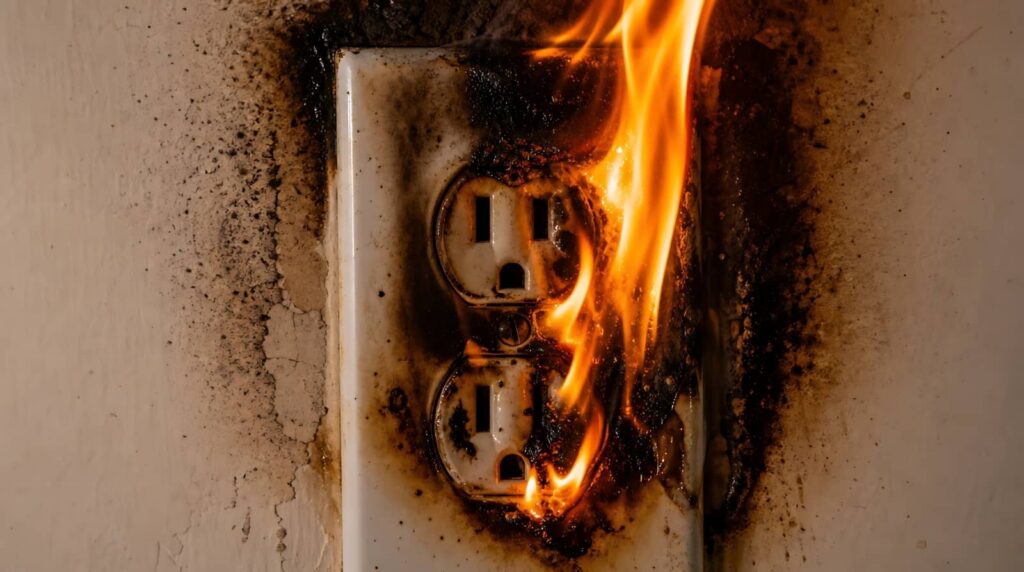
Inspect cords, plugs, and outlets for heat, cracks, or looseness, and replace damaged appliances before they fail. Keep combustibles away from burners, test your smoke alarms monthly, and keep a Class K extinguisher within reach.
These habits protect your home, reduce restoration costs, and help your household feel prepared together.
Frequently Asked Questions
How Long Does Kitchen Fire Restoration Usually Take?
You’ll usually wait 1–7 days for minor kitchen fire restoration, but severe smoke, soot, or cabinet damage can take weeks. You’ll get faster results when you document damage, ventilate early, and work with a licensed restorer.
Is It Safe to Stay in the Home During Cleanup?
Not usually; you should leave if cleanup crews find smoke, soot, or structural damage. You’ll stay safer elsewhere while they ventilate, clean, and test air quality, then you can return with confidence and your people.
Will Insurance Cover Kitchen Fire Damage Restoration Costs?
Yes, you’ll often get coverage if your policy includes fire damage, but you should review deductibles, exclusions, and limits. You can document losses, contact your insurer quickly, and work with restoration professionals to speed claims.
Can Food in Nearby Cabinets Still Be Used After a Fire?
Like a smoke alarm’s warning, usually no—you shouldn’t use food in nearby cabinets after a fire. You’ll need to inspect packaging, odors, heat exposure, and soot contamination before deciding anything’s safe.
How Do Restorers Handle Electrical Safety After a Kitchen Fire?
You’ll have restorers de-energize circuits, inspect wiring, test outlets, and isolate damaged appliances before cleanup. They’ll coordinate with licensed electricians, verify grounding, and confirm safe power restoration so you can feel protected and supported.
Final Thoughts
After a kitchen fire, you can recover with calm, careful steps. Secure the space, stop smoke spread, and inspect every surface for hidden harm. Clean soot, clear odors, and correct water damage before it worsens. If cabinets or appliances are badly burned, call a restoration pro right away. Then keep cooking safer with steady supervision, clean equipment, and cautious habits. With prompt, practical action, you’ll restore your kitchen and reduce the risk of repeat fires.