
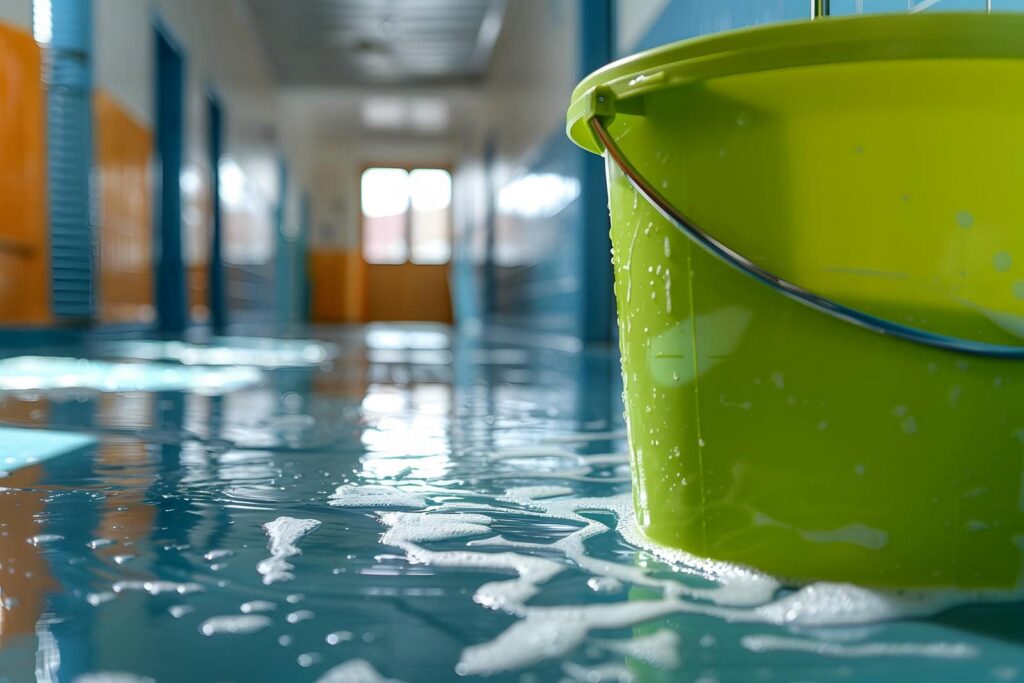
When water slips into your business, it acts like a silent clock ticking against your operations. You need to move fast in the first 24 hours to limit structural damage, protect equipment and inventory, and reduce downtime. Commercial water damage restoration uses assessment, extraction, drying, and sanitation to stabilize the property, but the real difference often comes from what you do before the full recovery plan begins.
Key Takeaways
- Commercial water damage restoration assesses damage, extracts water, dries materials, cleans affected areas, and repairs property to restore operations.
- Fast response within the first 24 hours limits damage, reduces downtime, and protects business assets and continuity.
- Common causes include roof leaks, burst pipes, HVAC failures, sprinkler malfunctions, drainage issues, and groundwater intrusion.
- Restoration uses moisture monitoring, industrial drying equipment, sanitation, and material replacement when structural integrity is compromised.
- Prevent future damage with routine inspections, leak detection, proper drainage, staff reporting, and a documented recovery plan.
What Is Commercial Water Damage Restoration?
Commercial water damage restoration is the process of evaluating, extracting water, drying affected materials, cleaning contaminated areas, and repairing damage in a business property after a leak, flood, or plumbing failure.
When you need commercial water damage restoration, you’re using a coordinated service that helps protect your building, inventory, and equipment from further loss.
Technicians assess the affected areas, identify hidden moisture, and use specialized tools to restore safe conditions. You get a structured response that supports business continuity and keeps your team focused.
This work includes moisture monitoring, material removal, sanitation, and repair planning.
What to Do in the First 24 Hours
In the first 24 hours, you should stop the source of water if it’s safe to do so, document the damage with photos, and contact a commercial water damage restoration team right away.
Then secure the area and keep employees clear of wet floors and compromised equipment. Move undamaged items to a dry location if you can do it safely.
- Shut off power only when hazards exist
- Save receipts, logs, and incident notes
- Remove standing water with approved equipment
- Ventilate the space if conditions allow
- Preserve damaged materials for inspection
You’ll work best when your team stays organized and communicates quickly.
Avoid using household fans on soaked structures or handling contaminated water without proper protection. A coordinated response helps you protect the property, support your staff, and stay aligned with recovery steps.
Why Fast Response Reduces Business Loss
When you respond fast to commercial water damage, you limit operational downtime and keep critical systems running.
You also stop moisture from spreading, which helps prevent escalating structural and material damage.
Minimize Operational Downtime
Fast response can make the difference between a brief disruption and a costly shutdown. You need restoration crews that mobilize quickly, assess conditions, and coordinate around your operating hours so your team stays productive.
When you act fast, you keep workflows moving, preserve customer confidence, and help your staff stay focused on core tasks. Clear communication also helps everyone know what’s happening and what to expect.
- Rapid scheduling reduces idle time
- Targeted drying limits service interruptions
- Temporary containment supports safe access
- Phased work keeps critical areas usable
- Direct updates align your team
With the right commercial partner, you’re not dealing with the problem alone. You’re supported by a responsive process built to get your business back on track.
Prevent Escalating Property Damage
Water intrusion can spread quickly through flooring, drywall, insulation, electrical systems, and structural components, turning a manageable incident into a much larger loss.
You need rapid extraction and targeted drying to stop moisture from migrating behind walls and under finishes. When you act fast, you reduce warping, corrosion, microbial growth, and material delamination before they compromise more of your building.
You also protect framing, subfloors, and mechanical spaces that often hide trapped water. A qualified commercial restoration team uses moisture mapping, containment, dehumidification, and controlled demolition to stabilize affected areas.
That approach helps you stay ahead of secondary damage and keeps your property aligned with professional recovery standards. Fast response gives your business a stronger, safer path forward, and your team can move with confidence.
Protect Revenue Streams
Rapid water damage response doesn’t just protect materials; it protects your revenue. When you act fast, you keep operations online, preserve client trust, and reduce losses from canceled orders, idle staff, and missed deadlines.
Your restoration team should isolate the affected zone, extract water, dry assets, and verify moisture levels before contamination spreads. That speed helps you resume billing, shipping, and service delivery with less interruption.
You’re not managing this alone; you’re protecting a shared standard of performance that your team and customers expect.
- Limit downtime
- Protect cash flow
- Preserve inventory
- Maintain customer confidence
- Reduce claim costs
What Causes Water Damage in Commercial Buildings?
Even minor building failures can trigger major water damage in commercial properties, especially when leaks go unnoticed or drainage systems are overloaded.
You often see damage start with roof membrane breaches, failed flashing, clogged gutters, or cracked window seals that let rain enter.
Inside, burst pipes, aging plumbing, and defective HVAC condensate lines can release water quickly.
Appliance failures, sprinkler malfunctions, and backflow issues also create sudden intrusion.
Poor grading, blocked drains, and foundation cracks let groundwater seep into lower levels.
If you manage a facility, you need to watch for these risks, because moisture can spread through shared walls, ceilings, and flooring before you spot it.
Staying alert helps you protect your team, your tenants, and your building.
How Commercial Water Damage Restoration Works
When a commercial property takes on water, restoration starts with a rapid assessment to identify the source, category of water, and extent of the damage. You’ll work with a crew that documents affected areas, protects operations, and builds a clear recovery plan.
They’ll map moisture paths, isolate impacted zones, and prioritize safety so your team stays informed and supported.
- Inspect structural materials
- Remove standing water
- Track hidden moisture
- Assess salvageable contents
- Coordinate restoration steps
Next, the team stabilizes the site, verifies affected systems, and confirms the scope of work. You get a coordinated process that reduces confusion, limits secondary damage, and helps your business get back on track with confidence and shared purpose.
How Crews Dry and Sanitize Business Spaces
Once the damaged areas are stabilized, crews bring in industrial air movers, dehumidifiers, and monitoring tools to pull moisture from surfaces, cavities, and building materials.
You’ll see technicians map wet zones, verify readings, and adjust airflow so drying stays uniform. They remove saturated materials that can’t recover, then clean hard surfaces with approved detergents to lift residue and reduce contamination.
Next, they apply targeted antimicrobial treatments where moisture exposed your space to mold or bacterial growth.
Throughout the process, they document conditions, compare progress against dry standards, and fine-tune equipment until materials reach safe levels.
You stay informed, your team stays aligned, and the workspace moves back toward normal operation with controlled drying, verified sanitation, and minimal disruption.
How to Protect Equipment, Inventory, and Records
You should isolate and elevate equipment as soon as possible to limit moisture exposure and prevent electrical damage.
You should move inventory to dry, controlled storage and document affected items for loss tracking.
You should protect records with waterproof containers or digital backups so you can preserve critical business data.
Equipment Protection
Protecting equipment, inventory, and records starts with a rapid damage assessment and immediate isolation of affected areas. You’ll keep your team aligned when you shut down power, tag vulnerable assets, and move portable equipment to dry, secure space.
Use controlled dehumidification and targeted airflow to reduce corrosion and electrical risk. Cover exposed machinery with breathable protection, and elevate items off wet flooring.
- Disconnect energized systems first
- Document serial numbers before handling
- Separate dry goods from saturated stock
- Stabilize humidity around sensitive devices
- Clean and dry surfaces before restart
You protect uptime when you coordinate with restoration specialists, maintenance staff, and IT support. That shared response helps your operation recover with confidence and keeps your workplace ready for the next shift.
Records And Inventory Safety
After equipment is stabilized, shift attention to records and inventory so losses don’t spread through operations.
You should isolate paper files, boxed stock, and media drives from wet zones, then move them to a dry, secure room. Use gloves, labels, and pallets to avoid contamination and raise items off floors.
If documents are damp, fan them apart and freeze them when drying can’t start immediately.
For digital records, power down servers, disconnect storage, and copy critical data only after a technician verifies safety.
You’ll also want to photograph inventory, count affected units, and tag salvageable goods. This keeps your team aligned, speeds claims, and protects continuity.
Clear tracking helps everyone restore control, reduce waste, and return to normal faster together.
When to Repair or Replace Damaged Materials
When should damaged materials be repaired rather than replaced?
You should repair materials when moisture exposure was brief, structural strength remains intact, and contamination is limited.
You should replace materials when swelling, delamination, corrosion, or microbial growth has compromised performance.
Your technician should test hidden cavities, because surface dryness doesn’t always mean full recovery.
Consider:
- Solid framing with minor staining
- Drywall with localized edge damage
- Carpet padding with persistent odor
- Insulation that holds moisture
- Finish materials with warped seams
You’ll protect your team’s standards by documenting each decision and matching it to material type, saturation time, and cleanliness.
In a well-managed facility, that discipline helps your crew stay aligned and confident.
How to Reduce Downtime During Restoration
You can reduce downtime by completing a rapid damage assessment that identifies affected areas, equipment, and critical operations.
Next, you’ll use phased restoration scheduling to keep essential work moving while repairs progress in controlled stages.
If needed, you should establish a temporary workspace so your team can stay productive during the restoration process.
Rapid Damage Assessment
Rapid damage assessment is the first critical step in commercial water damage restoration, because it lets crews identify the source, extent, and severity of the intrusion fast. You’ll protect your team and keep your facility aligned with the restoration plan when you act quickly.
Technicians document conditions, map affected zones, and verify whether water has reached walls, flooring, insulation, or equipment. That clarity helps you limit unnecessary disruption and focus resources where they matter most.
- Shut off the source if it’s safe
- Record visible damage with photos
- Identify moisture migration paths
- Check electrical and structural risks
- Notify stakeholders with clear updates
When you move early, you join a coordinated response that reduces loss and gets operations back on track sooner.
Phased Restoration Scheduling
Once crews confirm the scope of the loss, phased restoration scheduling helps you keep critical operations running while repairs move forward.
You and your restoration partner can divide the site into zones, then sequence extraction, drying, demolition, and rebuild tasks around your highest-priority areas. This approach lets you protect revenue-generating spaces first, so your team stays productive and your customers keep access to essential services.
Clear milestones, daily updates, and coordinated trade scheduling reduce conflicts and prevent idle time. You’ll also spot delays early and adjust resources before they ripple across the project.
Temporary Workspace Setup
When restoration work interrupts normal operations, temporary workspace setup helps your team keep essential tasks moving without crowding active repair zones. You can reduce downtime by assigning a clean, ventilated area with power, data access, and clear traffic paths.
Keep this space close enough for supervision but isolated from moisture, dust, and equipment staging.
- Move critical staff first
- Label temporary desks and devices
- Protect network and phone lines
- Post access rules and safety notices
- Coordinate daily changes with the crew
Use portable partitions, backup hardware, and shared files to keep workflows consistent. You’ll help everyone stay connected, productive, and confident while restoration progresses, and your business can recover with less interruption.
How to Prevent Future Water Damage
Preventing future water damage starts with identifying vulnerabilities in your building’s plumbing, roofing, drainage, and HVAC systems before they fail.
You should schedule routine inspections, test sump pumps, clear gutters, and verify that seals, flashing, and pipe joints stay intact.
Install leak detection sensors in mechanical rooms, restrooms, and server areas so you catch problems early.
Maintain proper grading and downspout extensions to move water away from the foundation.
You’ll also want to train your team to report drips, odors, stains, and pressure changes right away.
Keep maintenance logs, document repairs, and review them after storms.
When everyone stays alert, you protect your property, reduce downtime, and strengthen a workplace that feels prepared, connected, and resilient together.
Frequently Asked Questions
Does Commercial Insurance Usually Cover Water Damage Restoration?
Usually, yes—but you’ll need to check your policy. You’re often covered for sudden, accidental water damage, while floods, poor maintenance, or gradual leaks may be excluded. You should review limits, deductibles, and endorsements.
How Do Restoration Teams Work Around Business Operating Hours?
You can schedule crews before opening, after closing, or overnight. They’ll isolate work zones, use quiet equipment, and coordinate access so you keep serving customers while they dry, clean, and restore affected areas.
Can Employees Stay in the Building During Restoration?
Yes, you can sometimes stay in the building if crews isolate work zones, control moisture, and verify air quality. You’ll need clearance, rerouted access, and safety protocols, though temporary relocation may still be necessary.
How Long Does Mold Typically Take to Develop After Water Damage?
Usually within 24 to 48 hours, mold can develop after water damage if you don’t dry materials quickly. You should act fast, because time’s ticking, and prompt remediation helps you protect your property and team.
What Certifications Should a Commercial Restoration Company Have?
You should look for IICRC certification, plus OSHA training, EPA lead-safe credentials, and local licensing. You’ll want bonded, insured technicians who document moisture mapping, microbial remediation, and drying protocols to protect your team’s continuity.
Recap
You can treat commercial water damage like a sudden storm in your building: fast action keeps the flood from spreading. By responding within the first 24 hours, you limit structural damage, protect equipment, and reduce downtime. A clear restoration plan helps you dry, clean, and repair affected areas before losses stack up. With preventive maintenance and quick reporting, you can keep your property steady, your operations moving, and future water intrusion at bay.