
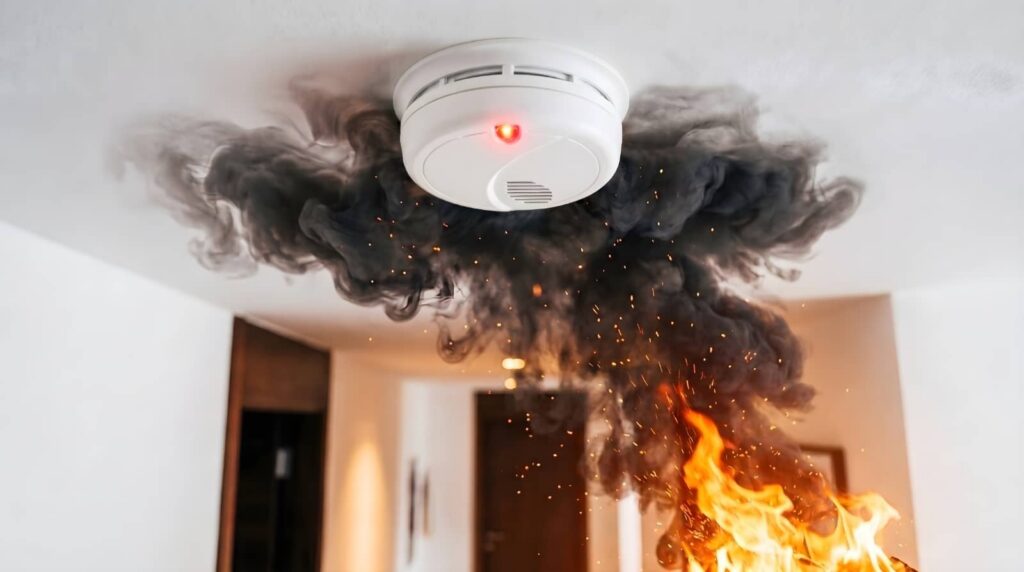
After a fire, you may not realize that exposed openings can keep damaging the property long after the flames are out. Board Up After Fire Damage helps protect damaged doors, windows, and roof gaps from intruders, rain, and wind while reducing the chance of additional structural damage. It’s a practical first step that can make the recovery process safer and more controlled, especially when hidden hazards are still present.
Key Takeaways
- Board up fire-damaged openings quickly to secure the property from break-ins, theft, and vandalism.
- Use plywood or approved barriers to block weather, rain, and moisture from entering exposed areas.
- Seal damaged openings tightly to protect framing, insulation, and interiors from further water and smoke damage.
- Stabilize compromised sections to reduce shifting, collapse risk, and additional structural deterioration.
- Inspect hazards first and fasten boards securely into framing members for safe, effective protection.
Why Board-Up Protection Matters After a Fire
After a fire, board-up protection matters because it helps secure the property, limits weather exposure, and supports safer restoration work.
When you board up after fire damage, you reduce open-wall exposure, stabilize vulnerable openings, and keep rain, wind, and debris from worsening the loss. That extra layer gives you room to plan cleanup, document conditions, and coordinate repairs without added stress.
You’ll also protect structural elements that can weaken when moisture keeps entering through broken windows or doors. In practice, this step helps your restoration team work more efficiently and keeps the site controlled while you regain your footing.
You’re not just covering damage; you’re creating a safer path forward for everyone involved.
Secure the Property From Break-Ins
Boarding up fire-damaged openings helps you secure the property against break-ins by removing easy access points at doors, windows, and other compromised areas.
When you install rigid plywood or composite panels, you create a visible barrier that deters opportunistic intruders and signals that the site’s being actively managed. Use corrosion-resistant fasteners, anchor the boards into sound framing, and cover all vulnerable openings, including side entries and utility access points.
You’ll also reduce the chance of theft, vandalism, and unauthorized entry while you coordinate inspections and cleanup. If the structure has alarms, keep them armed and post clear no-trespassing notices.
This extra layer of control helps you protect your space, your next steps, and the people who count on you.
Protect the Structure From Weather and Water
When fire leaves openings in a building, you need to seal them quickly to keep rain, snow, wind, and debris from causing more damage.
You can use plywood, tarps, and weather-resistant fasteners to cover broken windows, doors, and roof gaps. This helps keep moisture out of framing, insulation, and interior finishes while you wait for cleanup and repairs.
If water gets inside, it can stain surfaces, weaken materials, and create odors that make restoration harder.
By boarding up promptly, you give your property a tighter shell and help your crew work in safer, drier conditions.
You’re not just closing holes; you’re protecting the space your family, tenants, or team depends on and keeping the recovery process on track.
Prevent Further Structural Damage
A damaged building can weaken quickly once fire has compromised its walls, roof, or support openings. When you board up exposed areas, you help stop shifting loads, loose debris, and spreading cracks from getting worse. You also protect the remaining frame so your team can assess it with fewer surprises.
- Support weakened openings
- Limit wind-driven movement
- Reduce vibration from foot traffic
- Keep damaged sections contained
This quick barrier gives you a more stable site, and it lets you plan repairs with confidence. You’re not just closing space; you’re preserving what’s still sound.
That matters because every hour of exposure can increase collapse risk and complicate restoration. By taking action early, you protect your property and give everyone involved a safer, more organized path forward.
How to Board Up After Fire Damage Safely
Before you board up, you should assess structural hazards like weakened walls, loose framing, and unstable debris so you don’t create a collapse risk.
Wear protective gear, including gloves, eye protection, and a respirator, to guard against sharp edges, soot, and airborne contaminants.
Then seal openings securely with properly sized plywood and fasteners to protect the property and support safer restoration work.
Assess Structural Hazards
Once the fire is out, you should assess structural hazards before you board up, because damaged framing, weakened headers, loose masonry, and unstable roof sections can make the work dangerous.
Walk the perimeter and look for:
- sagging roofs or floors
- cracked or leaning walls
- chimneys and masonry that’ve shifted
- burned joists, studs, or lintels
If you notice movement, stop and keep everyone clear of the area.
Check whether openings are out of square, since that can signal hidden distortion in the structure. You want a stable surface before fastening panels, so you can protect the property without worsening the damage.
When you’re methodical here, you’re not alone—you’re making the site safer for everyone who’ll help with cleanup and restoration later.
Wear Protective Gear
Suit up with the right protective gear before you handle any fire-damaged opening, because soot, sharp debris, and unstable materials can injure you fast.
Wear cut-resistant gloves, long sleeves, long pants, sturdy boots, safety glasses, and a hard hat. If ash or dust is heavy, use a respirator rated for particulates so you’re not breathing contaminated residue.
Choose gear that fits well and lets you move confidently while you work. Inspect every item before you start, and replace anything torn, cracked, or loose.
Keep your skin covered to reduce contact with soot and fiberglass. When you’re protected properly, you can focus on the task, work beside your crew safely, and help your property move toward recovery with fewer risks.
Seal Openings Securely
After you’ve cleared the immediate hazards, seal every broken window, door, and other opening with sturdy plywood or another approved barrier to stop trespassers, keep out rain and wind, and limit further smoke or debris intrusion.
You’ll protect the structure and give your restoration team a safer starting point. Cut panels to fit tightly, fasten them into framing members, and avoid loose edges that can fail in bad weather.
- Cover gaps around vents and soffits
- Use corrosion-resistant fasteners for secure attachment
- Label any temporary access points clearly
- Inspect for shifting panels after storms
When you board up carefully, you join the owners who stay proactive, reduce added loss, and keep the property ready for the next step in recovery.
Make Fire Damage Restoration Safer
Boarding up fire-damaged openings helps you start restoration with fewer hazards and more control. You reduce exposure to broken glass, weakened framing, and unstable debris before crews enter.
You also block wind, rain, and pests that can worsen soot, moisture, and structural decay. When you secure the site, you make it easier to inspect load-bearing areas, isolate damaged rooms, and plan cleanup in a safer sequence.
That means you and your team can work with clearer boundaries and fewer surprises. Proper boards, fasteners, and temporary barriers also deter trespassers, so everyone feels more confident on site.
Frequently Asked Questions
How Soon Should Board-Up Work Begin After a Fire?
You should begin board-up work immediately, ideally within hours after the fire. You’ll reduce theft, weather exposure, and further damage, and you’ll help restoration teams assess the site safely and quickly.
Who Should Board up a Fire-Damaged Property?
You should hire a licensed fire-restoration contractor; nearly 60% of fire losses worsen from exposure. You’ll get secure, weatherproof boarding, code-aware work, and a team that understands your situation and protects your property fast.
What Materials Are Best for Emergency Board-Up?
Plywood sheets, heavy-duty screws, framing lumber, and tamper-resistant fasteners work best. You’ll want weather-resistant tarps, plastic sheeting, and sealant too. These materials secure openings, keep out debris, and help you restore the property safely.
Does Board-Up Help During Insurance Inspections?
Yes, you can board up to preserve evidence, limit further damage, and show you’ve protected the site. It helps inspectors assess the loss safely, and it can support smoother claims handling, too.
Can Board-Up Reduce the Risk of Liability?
Yes, you can lower liability by limiting access and hazards. After one blaze, I’ve seen a boarded doorway act like a seatbelt: it protects others, reduces injuries, and helps you manage claims, safely.
Recap
After a fire, you board up the damaged openings to protect your property fast. You seal out rain, wind, and debris, keeping exposed framing dry and stable. You also block unauthorized entry, reducing theft and vandalism while you restore the site. With each covered window and secured doorway, you create a safer, more controlled space for cleanup and repairs. That simple barrier can help your property stand firm and recover with less stress.