

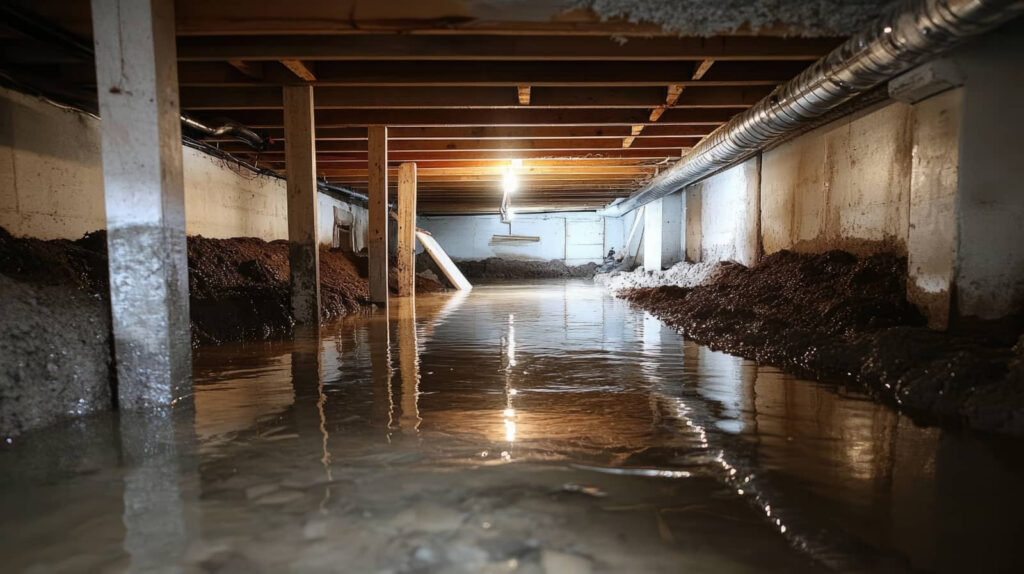
If your crawlspace is holding water, every hour can feel like a structural emergency. You need to identify the source, remove standing water fast, and dry the space before mold, rot, and insulation damage spread. Then you’ll want to control humidity, seal entry points, and check for lingering moisture signs, because the real issue is often what you can’t see yet when dealing with crawlspace water extraction.
Key Takeaways
- Stop the water source first by fixing leaks, runoff, or drainage problems before extraction begins.
- Remove standing water quickly with pumps or wet vacuums, starting at the lowest point and checking hidden pockets.
- Dry the crawlspace thoroughly with fans and dehumidifiers, and remove wet insulation or debris to improve airflow.
- Seal cracks, pipe penetrations, and vents, and install a vapor barrier to reduce future moisture intrusion.
- Watch for lingering moisture, such as odors, condensation, rust, or warped wood, to confirm the crawlspace is fully dry.
What Causes Crawlspace Water Problems?
Crawlspace water problems usually start when groundwater, surface runoff, plumbing leaks, or poor drainage allow moisture to enter and linger under your home.
You may see seepage through foundation cracks, open vents, unsealed pipe penetrations, or a damaged vapor barrier. Soil that slopes toward the house can funnel rainwater to the footing, and clogged gutters can overflow near the perimeter.
In humid climates, warm air can condense on cool crawlspace surfaces and add moisture without a visible leak. Poor grading, failed sump systems, and broken downspouts can worsen the load.
If you understand these entry points, you can target crawlspace water extraction more effectively and protect your home environment with your neighbors’ confidence.
Why You Should Remove Crawlspace Water Fast
The longer standing water sits in your crawlspace, the more damage it can cause, so fast extraction is essential.
You limit moisture migration into framing, insulation, and subfloor materials when you act quickly. That matters because damp surfaces create ideal conditions for mold, mildew, and bacterial growth, which can spread odors through your home.
Quick removal also helps reduce corrosion on metal components and slows wood decay, so your crawlspace stays structurally sound. If you wait, humidity rises and the space becomes harder to dry, which can affect indoor air quality above.
By responding fast, you protect your home’s materials, cut repair risk, and keep your household in the dry, healthy environment you want.
You’re not just removing water; you’re protecting your space.
How to Remove Water From a Crawlspace
You should first stop the water source.
Then remove standing water with a pump, wet vacuum, or drain system sized for the crawlspace volume.
After extraction, you need to dry the area with high-velocity air movement and dehumidification to reduce moisture levels quickly.
Finish by inspecting for vapor barriers, grading, and drainage fixes so water doesn’t collect again.
Water Removal Steps
Start by stopping the source of water, then remove standing water as quickly as possible with a pump, wet/dry vacuum, or extraction equipment sized for the job.
You should work from the lowest point outward, so pooled water doesn’t spread into clean areas. Keep discharge hoses routed away from the foundation and verify the pump can handle the flow rate.
If debris is present, strain it first so your equipment won’t clog. Check corners, piers, and low pockets with a flashlight and probe for trapped water.
Keep electrical cords dry and use grounded equipment only. As you clear each section, inspect the crawlspace floor for remaining saturation and note any active seepage.
When you move methodically, you protect your space, your team, and the home’s structure.
Drying And Prevention
Once standing water is gone, you need to dry the crawlspace fast to stop moisture from soaking into framing, insulation, and soil.
Set high-velocity fans to move air across wet surfaces, then run a dehumidifier sized for the space to pull vapor out of the air. Open vents only if outside air is drier than crawlspace air; otherwise, keep them closed.
Remove wet insulation, debris, and any damp vapor barrier sections so the area can breathe.
Check joists, sill plates, and subfloor for lingering moisture with a meter.
For prevention, seal gaps, repair plumbing leaks, grade soil away from the foundation, and install a continuous vapor barrier.
When you dry it correctly, you protect your home and join the group of owners who stay ahead of mold.
How to Dry Out a Crawlspace Fast
Rapid drying is the fastest way to stop crawlspace water from turning into a larger moisture problem. You should pump out standing water first, then remove wet debris so airflow can reach every surface.
Set up a dehumidifier and at least two high-velocity fans to move dry air across joists, insulation, and soil. Check hidden corners with a moisture meter so you’re not guessing.
- Extract pooled water immediately
- Increase air movement with fans
- Verify dryness with a meter
If you belong to a team tackling the problem early, you’ll reduce the chance of lingering dampness and odors.
Keep the crawlspace accessible while drying, and monitor conditions every few hours until materials feel dry and readings stabilize.
How to Prevent Crawlspace Moisture Long Term
To keep crawlspace moisture under control long term, you need to block water entry, limit humidity, and maintain consistent ventilation or conditioning.
Seal foundation cracks, extend downspouts, and grade soil away from the walls so surface water doesn’t pool near the crawlspace.
Install a continuous vapor barrier over the ground and tape seams to reduce soil vapor migration.
Use a dehumidifier or conditioned supply air to keep relative humidity in the safe range your system requires.
Insulate cold surfaces to reduce condensation, and keep plumbing lines protected from leaks and sweating.
Schedule seasonal inspections, clear gutters, and verify that vents, fans, or encapsulation components still operate as designed.
When you maintain these controls, you protect your home and stay part of a well-managed, moisture-smart space.
Signs Your Crawlspace Still Has Moisture
If your crawlspace still has moisture, you’ll usually notice a persistent damp smell, darkened insulation, or visible condensation on joists, ducts, or vapor barriers.
You may also see wood that feels cool and tacky, mineral staining on concrete, or rust on fasteners and HVAC components. These signs tell you the space isn’t drying fully after extraction, so you should inspect it quickly and protect your home team’s comfort.
- Moldy or musty odor that returns after ventilation
- Standing water, wet soil, or damp fiberglass insulation
- Elevated humidity, sweating pipes, or warped wood
Check corners, seams, and low spots with a meter, because lingering moisture often hides there.
When you catch it early, you keep repairs manageable and keep your crawlspace in the dry, healthy condition your household deserves.
Frequently Asked Questions
Can Crawlspace Water Damage Insulation and Floor Joists?
Yes, you can see crawlspace water damage insulation and floor joists by soaking insulation, reducing its R-value, and promoting rot in joists. If you dry it fast, you’ll limit mold, odors, and structural deterioration.
How Often Should Crawlspace Humidity Be Checked?
You should check crawlspace humidity monthly, or weekly after leaks, heavy rain, or repairs. Think of it like a smoke alarm for moisture: you’ll catch rising levels early, protect your home, and stay in control.
Do Sump Pumps Always Need a Battery Backup?
No, you don’t always need a battery backup, but you should add one if outages can flood your space. You’ll protect your system, reduce moisture risk, and keep your setup reliable when storms hit.
Is Crawlspace Encapsulation Worth the Cost?
Yes—if you want drier, cleaner air and fewer pest, odor, and mold problems, you’ll usually find encapsulation worth it. You’ll gain better moisture control, protect framing, and reduce maintenance costs over time.
Can Pests Enter Through a Wet Crawlspace?
Yes—pests can enter through a wet crawlspace, and they’ll exploit gaps, damp insulation, and standing water. You’ll reduce access, reduce nesting, and reduce damage by drying it fast, sealing openings, and controlling humidity.
Conclusion
Your crawlspace is like a ship’s hull: one hidden leak can sink the whole home. If you remove standing water fast, dry the space with fans and dehumidifiers, and seal entry points, you keep the structure sound and mold at bay. Keep checking for dark insulation, damp odors, and high humidity. When you act early, you don’t just dry a crawlspace—you protect the house above it from costly damage.