
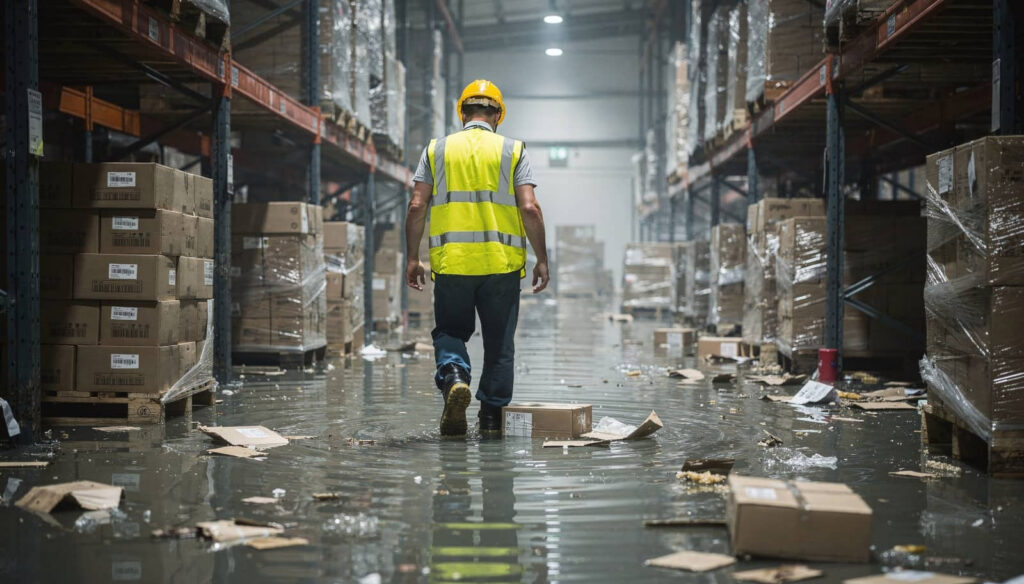
When your business faces flooding, commercial water extraction is the first move that can limit damage and speed recovery. You need rapid removal, controlled drying, and a clear plan before moisture spreads into floors, walls, and equipment. The real challenge isn’t just clearing standing water—it’s knowing what to do next, how to document the loss, and which service can restore operations without delay.
Key Takeaways
- Commercial water extraction quickly removes standing water from business properties using pumps, vacuums, and moisture-control equipment.
- Fast extraction limits damage to floors, walls, inventory, and hidden structural materials.
- Common causes include burst pipes, roof leaks, sprinkler failures, sewer backups, and HVAC condensate problems.
- The process includes stopping the source, mapping damage, extracting water, drying materials, and verifying moisture levels.
- Choose a provider with 24/7 response, IICRC-trained technicians, proper equipment, and detailed moisture documentation.
What Is Commercial Water Extraction?
Commercial water extraction is the rapid removal of standing water from business properties using specialized pumps, vacuums, and moisture-control equipment.
When you face unwanted water intrusion, commercial water extraction gives you a controlled process for clearing floors, walls, and structural cavities. You work with trained professionals who assess the affected area, select the right tools, and remove water efficiently.
This service fits offices, warehouses, retail spaces, and industrial facilities where you need a dependable recovery path. You also benefit from documentation, targeted drying support, and a clear plan that helps your team stay informed.
With commercial water extraction, you’re not handling the problem alone; you’re partnering with people who understand your environment and know how to restore order fast.
Why Fast Water Removal Matters
When water sits in a commercial space, every minute can worsen the damage by soaking materials, weakening structural components, and creating conditions for mold growth and slip hazards. You need fast removal to protect operations and keep your team moving together.
It limits absorption into floors, walls, and inventory.
It reduces the chance of hidden structural deterioration.
It shortens drying time and helps control secondary damage.
It supports safer access for staff and responders.
Quick extraction also helps you document conditions before repairs start and speeds restoration planning.
When you act immediately, you give your facility the best chance to recover cleanly, efficiently, and with less disruption to the people who depend on it.
Common Water Damage Sources in Businesses
Water can enter a business from many different points, and identifying the source quickly helps you choose the right extraction and drying approach. In your building, common causes include burst supply lines, leaking sprinkler heads, failed water heaters, and backed-up drains.
Roof leaks, damaged flashing, and clogged gutters can let stormwater spread through ceilings and wall cavities. HVAC condensate issues often create hidden moisture around ducts, mechanical rooms, and ceilings.
Sewer backups and toilet overflows bring contaminated water that demands strict handling. Flooding from exterior runoff or broken windows can affect entryways, inventory, and sensitive equipment.
When you recognize these sources early, you protect your team, reduce disruption, and work with a restoration partner that understands business continuity.
How the Extraction Process Works
You start by stopping the water source, mapping the affected areas, and removing standing water with pumps, vacuums, or truck-mounted extraction units.
You then use the right extraction equipment for the material and saturation level, so carpets, flooring, and structural cavities get cleared efficiently.
After extraction, you monitor moisture levels and apply controlled drying to prevent hidden damage, mold growth, and unnecessary downtime.
Water Removal Steps
Extraction crews start by evaluating the source, spread, and depth of the water so they can choose the right equipment and sequence. You’ll move fast, but you won’t rush; each step protects your building and keeps your team in control.
The process usually follows a clear pattern:
- Stop the water source and document affected areas.
- Remove standing water from open floors and accessible spaces.
- Pull moisture from carpets, pads, and porous materials.
- Verify dryness so hidden saturation doesn’t trigger later damage.
You’ll see the best results when everyone stays aligned, communicates quickly, and keeps access clear.
That discipline helps your business recover with less interruption, fewer losses, and a stronger path back to normal operations.
Extraction Equipment Types
Truck-mounted extractors, portable units, and weighted vacuums each serve a different role in commercial water extraction.
You choose truck-mounted systems when you need high vacuum strength and rapid discharge across large flooded areas. Portable extractors let you move through tight offices, storefronts, and multi-room suites without dragging hoses everywhere.
Weighted vacuums apply direct pressure on carpets and hard surfaces, pulling water from fibers and seams where standing water lingers.
You’ll typically start with the largest accessible zones, then switch tools for edges, corners, and enclosed spaces. This equipment works as a coordinated system, so you can clear water fast, protect your assets, and keep your team confident during recovery.
Each pass should remove visible moisture efficiently and leave surfaces ready for the next phase.
Drying And Monitoring
Once standing water is removed, drying starts with air movement, dehumidification, and continuous monitoring to drive moisture out of materials and confirm the structure is returning to safe levels.
You’ll see the crew place air movers to create fast evaporation, then set dehumidifiers to pull that vapor from the air. They track readings in walls, floors, and contents, so you know the plan stays targeted.
- Position air movers along wet surfaces.
- Run dehumidifiers to reduce humidity.
- Measure moisture with meters and thermal tools.
- Adjust equipment until readings stabilize.
This process protects your team’s workspace, limits hidden damage, and helps your business rejoin the recovery effort with confidence.
What To Do Before Help Arrives
First, shut off the water source at the main valve or nearest supply control to stop additional flooding.
Then protect key assets by moving equipment, documents, and inventory to a dry area or elevating them above the waterline.
If it’s safe, isolate affected power and clear access paths so the extraction team can work efficiently when they arrive.
Shut Off Water Source
Shut off the water source as soon as it’s safe to do so to limit further flooding and reduce damage before help arrives. You’ll control the situation faster and help your team stay confident while crews mobilize.
If you know the main valve, close it immediately; if not, call building maintenance or utility staff.
- Locate the shutoff point.
- Turn the valve clockwise until it stops.
- Confirm flow has stopped at fixtures.
- Report the shutdown to responders.
Keep clear communication with your staff so everyone works from the same plan.
Don’t force stuck hardware or enter unsafe areas. When you act quickly and correctly, you support commercial water extraction crews and reduce downtime for everyone involved.
Protect Key Assets
Move quickly to protect critical assets before commercial water extraction crews arrive. You should raise servers, inventory, and portable equipment onto pallets, shelving, or dry counters.
Move paper files, client records, and backups to an unaffected room. Disconnect power to nonessential electronics if water’s near outlets, and never touch wet cords.
Wrap exposed machinery, point-fall data terminals, and delicate instruments in plastic sheeting to limit contamination. Mark hazardous zones with tape so your team avoids slip risks and damaged stock.
If you can safely do it, place foil under furniture legs to reduce staining and wicking. Photograph every asset before relocation, then log serial numbers and damage.
These steps help your crew work faster, protect your operation, and keep your business recovery on track.
How To Choose a Water Extraction Service
Choosing the right water extraction service starts with response time, equipment capability, and proven experience in commercial losses. You need a partner that arrives fast, documents damage, and coordinates with your recovery team so your operations feel supported, not isolated.
Verify that they offer:
- 24/7 dispatch with defined arrival targets.
- Truck-mounted extractors, air movers, and dehumidifiers sized for your space.
- IICRC-trained technicians who understand commercial structures.
- Moisture mapping, drying logs, and clear communication.
Ask for references from similar facilities and confirm insurance compliance before work begins.
A reliable provider will explain scope, reduce disruption, and help you rejoin business continuity with confidence. When you choose well, you protect assets, staff, and your place in the market.
Frequently Asked Questions
Does Commercial Water Extraction Cover Contaminated Water?
Yes, you can get contaminated water extracted, but you’ll need specialized cleanup for safety. You should expect professionals to assess the water category, remove hazards, disinfect surfaces, and document everything to support your recovery process.
How Long Does Business Recovery Usually Take After Extraction?
You’re usually back in days to weeks; rapid-response losses can be stabilized within 48 hours. Drying, repairs, and inspections drive your timeline, so you’ll recover faster with coordinated action.
Can Equipment and Inventory Be Restored After Flooding?
Yes, you can often restore equipment and inventory after flooding if you act fast. You’ll need thorough drying, cleaning, corrosion control, and documentation. Salvageable items respond best when you separate them quickly and monitor damage.
Is Water Extraction Covered by Commercial Insurance Policies?
Usually, yes—many commercial insurance policies cover water extraction if a covered peril caused the loss. You’ll file quickly; insurers process thousands of claims after storms. Review exclusions, deductibles, and mitigation requirements before you proceed.
What Certifications Should Water Extraction Technicians Have?
You should look for IICRC certifications, especially WRT and ASD, plus OSHA training and mold remediation credentials. You’ll trust technicians who understand safety, moisture mapping, and drying standards, keeping your team informed and protected.
Recap
Commercial water extraction helps you get back to business fast by removing standing water, limiting structural damage, and reducing downtime. When you act quickly, you protect equipment, flooring, and inventory before problems spread. As the saying goes, “A stitch in time saves nine.” Choose a qualified team that documents losses, uses proper drying methods, and restores affected areas efficiently. With the right response, you can stabilize operations and recover with less disruption.